How to Finance Equipment for a New Optometry Practice
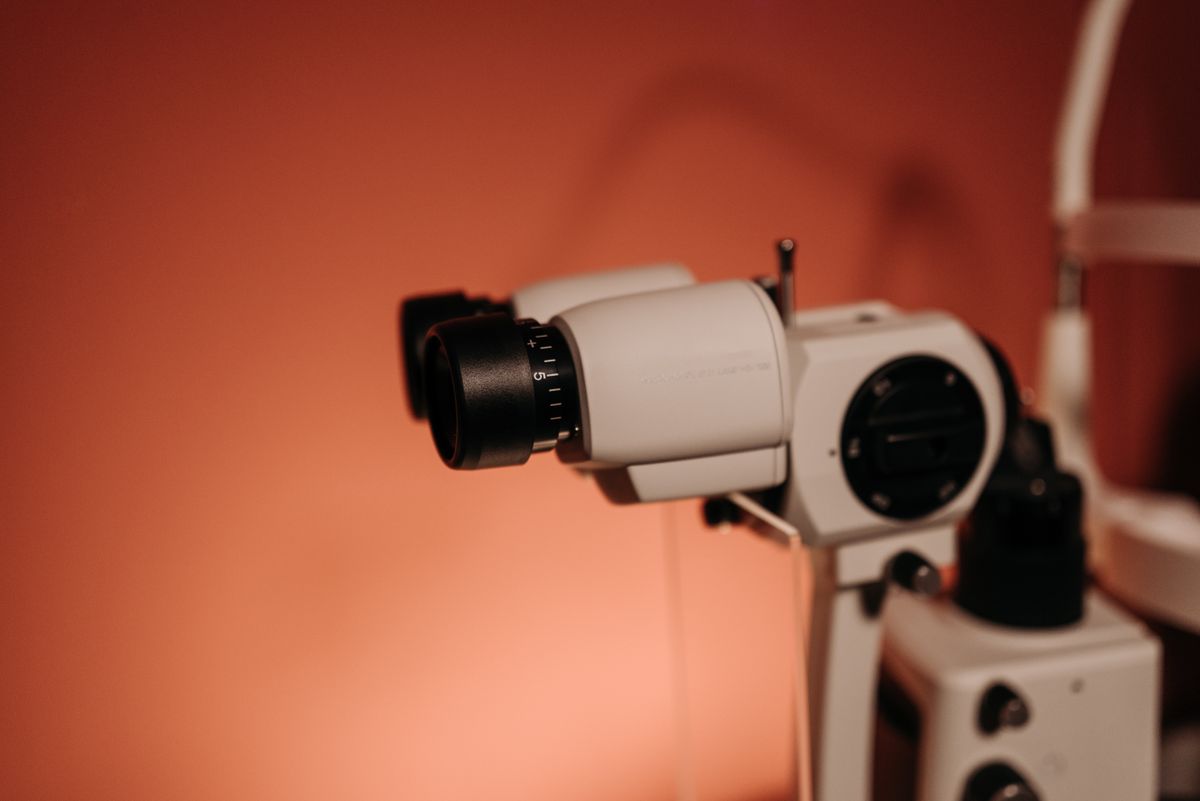
Learn practical ways to finance optometry equipment in 2026, including costs, options, and steps to get funded.
Starting an optometry practice requires significant investment in equipment, from phoropters to OCT machines. The total cost can range from $150,000 to $500,000 for a fully equipped office, depending on the technology level and whether you buy new or used. Financing this equipment is often the biggest hurdle for new practice owners. This guide covers the main financing options, their costs, and concrete steps you can take this week to secure funding.
Understand Your Equipment Costs
Before you approach lenders, know exactly what you need and what it costs. Typical equipment for a new optometry practice includes:
- Exam lane essentials: phoropter, slit lamp, retinoscope, ophthalmoscope, and chart projector. A basic lane costs $25,000-$40,000 new.
- Diagnostic imaging: OCT (optical coherence tomography) and visual field analyzer. These can add $30,000-$80,000.
- Pre-testing equipment: autorefractor, keratometer, tonometer, and lensometer. Budget $15,000-$30,000.
- Other essentials: office furniture, computers, and practice management software, which can run $10,000-$20,000.
Get itemized quotes from at least three vendors. This gives you a solid number to present to lenders and helps you compare financing offers.
Financing Options: Compare and Choose
Here are the most common ways to finance optometry equipment, with realistic 2026 figures.
| Option | Typical APR | Terms | Pros | Cons |
|---|---|---|---|---|
| Equipment loans | 6%-12% | 3-7 years | Fixed payments, own equipment at end | Requires good credit, down payment |
| Equipment leasing | 8%-15% (implicit) | 2-5 years | Lower monthly payments, tax deductible, easy upgrades | No ownership, total cost may be higher |
| SBA 7(a) loan | Prime + 2.75%-4.75% (currently 10%-12%) | Up to 10 years for equipment | Low down payment, long terms | Lengthy application, collateral required |
| Vendor financing | 0%-10% promotional | Varies | Quick approval, sometimes deferred payments | Limited to that vendor, may have balloon payments |
| Home equity loan/HELOC | 7%-9% | 5-15 years | Low rates, interest may be tax deductible | Puts your home at risk |
| Personal savings or family loan | 0%-5% | Flexible | No interest or low cost, fast | Drains personal funds, relationship risk |
Equipment Loans
A traditional equipment loan is a fixed-term loan secured by the equipment itself. You pay a down payment, typically 10%-20%, and then make monthly payments. For a $100,000 equipment package at 8% APR over 5 years, your monthly payment would be about $2,028. You own the equipment at the end. This is a good option if you have a credit score above 680 and a solid business plan.
Leasing
Leasing lets you use equipment for a fixed monthly payment, often with an option to buy at the end (fair market value or $1 buyout). Monthly payments are lower than loan payments because you are only paying for the equipment’s depreciation during the lease term. For example, a $50,000 OCT leased over 5 years might cost $900-$1,200 per month. Leasing is attractive for cash flow, and payments are tax-deductible as operating expenses. However, you do not build equity, and the total cost over time can be higher.
SBA 7(a) Loans
The Small Business Administration guarantees a portion of these loans, making them easier to get for new businesses. You can use an SBA 7(a) loan for equipment, working capital, and other startup costs. The maximum loan amount is $5 million, and terms for equipment can extend to 10 years. Current rates are around prime (8.5%) plus 2.75%-4.75%, so expect 10%-12% APR. You will need a down payment of 10%-20% and must show that you cannot get financing elsewhere. The application process takes 30-90 days, so plan ahead.
Vendor Financing
Many equipment manufacturers offer financing through their own finance arms. For example, Zeiss, Topcon, and Essilor have programs with promotional rates, sometimes 0% for the first year or deferred payments. These are convenient because you can bundle equipment and service contracts. However, read the fine print: promotional rates often revert to higher rates after the promo period, and you may be locked into that vendor for future purchases.
Home Equity Loans or HELOCs
If you own a home, you can tap into your equity. Rates are lower than equipment loans, often 7%-9% APR, and interest may be tax-deductible if used for business. But you are putting your personal residence at risk. Only consider this if you have stable income and a clear repayment plan.
Personal Savings or Family Loans
Using your own savings or borrowing from family avoids interest and paperwork. However, it depletes your safety net and can strain relationships. If you go this route, treat it like a business transaction: put the terms in writing, including repayment schedule and interest (even if nominal).
Steps to Get Financing This Week
Follow these steps to move forward quickly:
- Pull your credit reports from all three bureaus. Check for errors and dispute any inaccuracies. A score above 700 will get you the best rates.
- Create a detailed business plan that includes your equipment list, costs, projected revenue, and cash flow. Lenders want to see that you can repay the loan.
- Get quotes from at least three equipment vendors. This gives you leverage and a specific amount to finance.
- Compare financing offers from banks, credit unions, online lenders, and the vendors themselves. Use the table above as a starting point.
- Apply for pre-approval from two or three lenders. This shows you are serious and lets you compare terms side by side.
- Review the fine print on any lease or loan agreement. Look for origination fees, prepayment penalties, and automatic payment discounts.
FAQ
What credit score do I need to finance optometry equipment?
Most lenders look for a personal credit score of 680 or higher. With a score below 680, you may still get financing but at higher rates or with a larger down payment. If your score is below 620, consider improving it before applying, or ask a partner with better credit to co-sign.
Can I finance used equipment?
Yes, many lenders finance used equipment, but the terms may be shorter (3-5 years) and the interest rate slightly higher. The equipment must be in good condition and appraised to determine its value. Expect to pay a higher down payment, often 20%-30%.
What is the typical down payment for equipment financing?
For equipment loans and SBA loans, expect to put down 10%-20% of the total cost. Leases may require the first and last month’s payment plus a security deposit. Some vendor financing offers zero down, but those deals often have higher overall costs.
How long does it take to get approved for equipment financing?
Vendor financing and online lenders can approve in a few days. Bank loans take 2-4 weeks, and SBA loans can take 30-90 days. Plan your timeline accordingly, especially if you have a lease start date or construction schedule.
The Bottom Line
Financing equipment for a new optometry practice is manageable if you plan carefully. Compare at least three options, understand the total cost, and choose the one that fits your cash flow and long-term goals. Start by getting your credit in order and gathering quotes. With a solid plan, you can open your doors with the equipment you need without draining your savings.
Remember, the cheapest option is not always the best. A slightly higher rate with flexible terms might be worth it if it keeps your monthly payments low during the first year. Work with a financial advisor or accountant who understands medical practice financing to make the right choice for your situation.