How Much Does Equipment Cost for a New Optometry Practice?
Discover realistic 2026 equipment costs for a new optometry practice, including exam lanes, diagnostic tools, and practical budgeting steps.
Starting a new optometry practice requires a significant upfront investment in equipment. On average, you can expect to spend between $150,000 and $400,000 for a fully equipped practice, depending on the number of exam lanes, the brand of equipment, and whether you buy new or used. This guide breaks down the costs by category, offers realistic ranges, and gives you actionable steps to plan your budget.
Exam Lanes: The Core of Your Practice
An exam lane is where you perform routine eye exams. Each lane typically includes a phoropter, slit lamp, chart projector or monitor, and an exam chair and stand. The cost per lane varies widely based on quality and whether you purchase new or refurbished.
| Component | New Price Range | Refurbished Price Range |
|---|---|---|
| Phoropter (e.g., Reichert, Marco) | $8,000-$15,000 | $4,000-$8,000 |
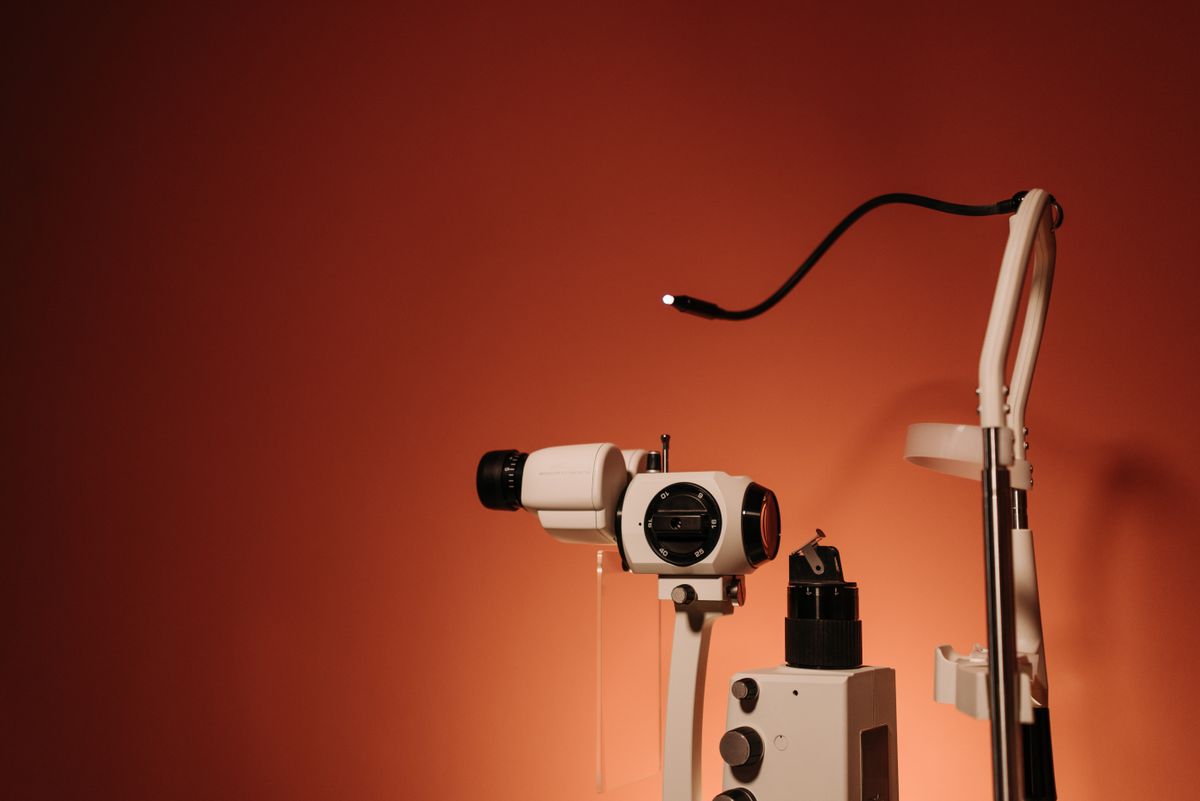
| Slit Lamp (e.g., Haag-Streit, Topcon) | $10,000-$20,000 | $5,000-$12,000 |
| Chart projector or LCD chart | $2,000-$5,000 | $1,000-$3,000 |
| Exam chair and stand | $6,000-$12,000 | $3,000-$7,000 |
| Total per lane | $26,000-$52,000 | $13,000-$30,000 |
Most new practices start with two to three exam lanes. Two lanes will cost $52,000-$104,000 new, while three lanes run $78,000-$156,000. Buying refurbished can cut these costs by 40% to 50%, but you must factor in potential maintenance and shorter warranty periods.
Diagnostic Equipment: Essential for Modern Care
Beyond basic exam lanes, you need diagnostic tools to assess eye health and prescribe corrective lenses. These are often the largest single expenses after lanes.
- Autorefractor/Keratometer: Measures refractive error and corneal curvature. New units cost $10,000-$25,000; used units run $5,000-$12,000.
- Non-contact Tonometer: Measures intraocular pressure. New: $6,000-$12,000; used: $3,000-$6,000.
- Fundus Camera: Captures retinal images. New: $20,000-$50,000; used: $10,000-$25,000.
- Optical Coherence Tomography (OCT): Provides cross-sectional imaging of the retina. New: $40,000-$80,000; used: $20,000-$40,000.
- Visual Field Analyzer: Tests peripheral vision. New: $10,000-$20,000; used: $5,000-$10,000.
If you purchase all this diagnostic equipment new, expect to pay $86,000-$187,000. Refurbished options can reduce this to $43,000-$93,000. Many practices start with a fundus camera and tonometer, then add OCT and visual field as patient volume grows.
Additional Equipment and Furnishings
Your practice also needs basic office and patient-facing equipment. These items add up quickly but are often overlooked.
- Pre-testing station: Includes lensometer, pupilometer, and sometimes an auto-refractor. New: $8,000-$15,000; used: $4,000-$8,000.
- Optical dispensing equipment: Lens edger, frame warmer, and fitting tools. New: $15,000-$30,000; used: $7,000-$15,000.
- Reception and waiting area furniture: Desks, chairs, and tables. Budget $5,000-$15,000.
- Computers and software: Practice management software (e.g., Eyefinity, Revolution) costs $300-$500 per month, plus hardware at $2,000-$5,000 per workstation.
- Miscellaneous: Phones, signage, and minor tools. Budget $3,000-$8,000.
Total for these additional items: $33,000-$73,000 new, or $21,000-$46,000 if you buy used furniture and equipment.
Leasing vs. Buying: What Makes Sense?
You do not have to pay cash upfront. Leasing equipment is common in optometry. Monthly lease payments for a full package (two lanes plus diagnostics) typically range from $2,500 to $5,000 per month over five to seven years. This preserves your working capital but costs more in the long run due to interest.
Buying used equipment outright is the cheapest route, but you risk higher repair costs. A good middle ground: buy new for high-use items like phoropters and slit lamps, and lease or buy used for advanced diagnostics like OCT.
Financing Options and Tax Considerations
Many equipment manufacturers offer financing with 0% to 5% interest for the first year. The Small Business Administration (SBA) 7(a) loan program can cover equipment costs up to $5 million, with rates around 7% to 10% as of 2026. Section 179 of the tax code lets you deduct the full purchase price of equipment in the year you place it in service, up to $1,050,000 for 2026, which can significantly reduce your tax burden.
Practical Steps to Budget This Week
- List your must-have equipment: Start with one exam lane, a tonometer, and a lensometer. Add OCT only if your patient demographics justify it.
- Get three quotes: Contact suppliers like Marco, Topcon, and Haag-Streit for new equipment, and check used equipment dealers like UsedOpticalEquipment.com or eBay Business.
- Calculate total cost of ownership: Include installation, training, and a 10% contingency for unexpected expenses.
- Compare lease vs. buy scenarios: Use a simple spreadsheet to compare monthly payments and total interest over five years.
- Consult a CPA: Confirm how Section 179 applies to your practice and whether leasing or buying is more tax-efficient.
FAQ
Can I start with just one exam lane? Yes, many solo practitioners start with one lane and add a second within the first year. One lane costs $26,000-$52,000 new, and you can add another later.
What is the average total cost for a two-lane practice? A two-lane practice with basic diagnostics (autorefractor, tonometer, fundus camera) and no OCT typically costs $150,000-$250,000 new. With OCT and visual field, expect $200,000-$350,000.
Are used equipment warranties reliable? Used equipment often comes with a 30 to 90 day warranty from dealers. Some manufacturers offer certified pre-owned programs with longer warranties. Always get a service contract for major items.
How long does equipment last? Most optometric equipment lasts 10 to 15 years with proper maintenance. Digital devices like OCT may become outdated sooner, but they remain functional.
The Bottom Line
Equipment is your largest startup cost, but you can control it by starting lean, buying used where smart, and leasing to preserve cash. A realistic budget for a new optometry practice is $150,000 to $400,000, with monthly lease payments of $2,500 to $5,000 if you choose that route. Get multiple quotes, consider tax deductions, and plan for a 10% buffer. With careful planning, you can open your doors without overextending your finances.