The New Optometry Practice Equipment Checklist for New Owners
A practical, itemized checklist of essential optometry equipment with realistic 2026 price ranges and steps to equip your new practice.
Starting an optometry practice requires a significant investment in equipment. This checklist covers the essential items you need to open your doors, with realistic 2026 price ranges and practical steps to help you budget and purchase wisely. Use this guide to ensure you have the tools to provide comprehensive eye care from day one.
1. The Exam Lane: Core Diagnostic Equipment
The exam lane is the heart of your practice. You need a reliable phoropter, slit lamp, and ophthalmoscope to perform routine exams. Here is what to budget for:
- Phoropter: Used to determine refractive error. A new manual phoropter from brands like Topcon or Reichert ranges from $8,000 to $15,000. Digital phoropters can cost $20,000 to $40,000, but they are not essential for a new practice.
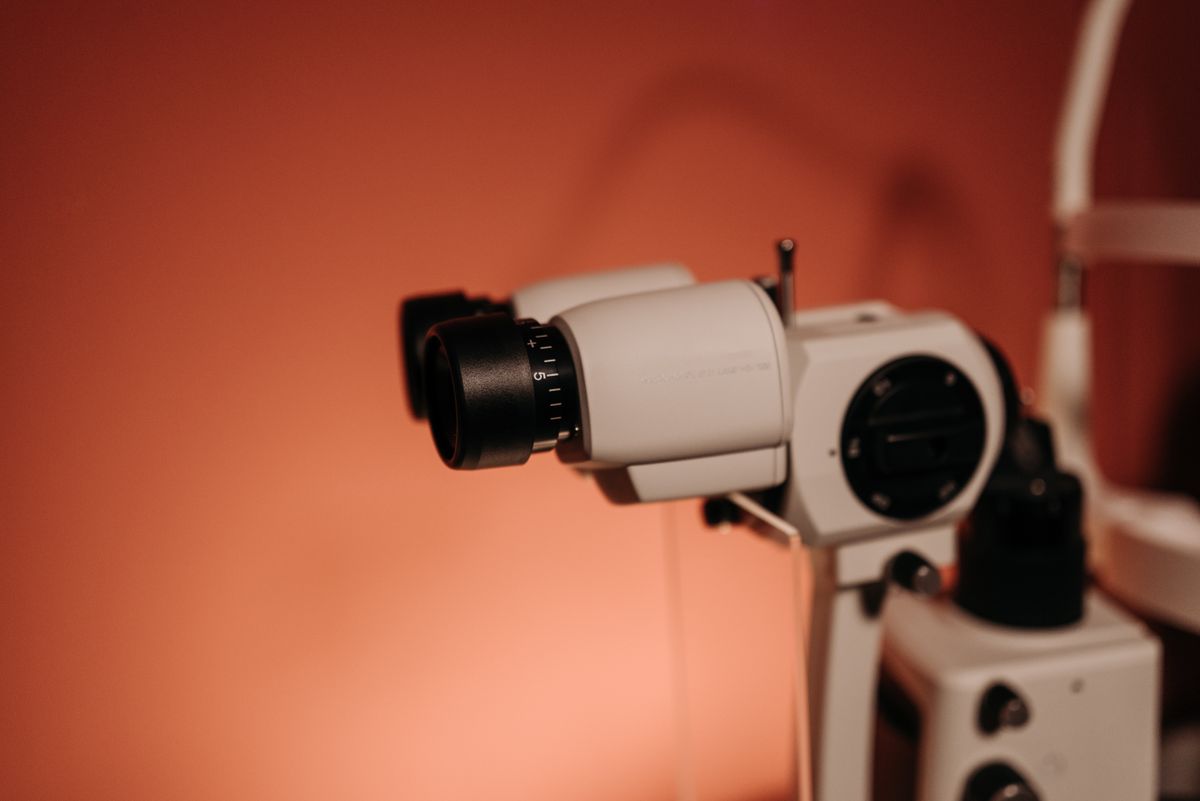
- Slit Lamp: For examining the anterior segment of the eye. A quality slit lamp with LED illumination costs $6,000 to $12,000. Consider a model with a digital camera attachment for documentation, which adds $3,000 to $5,000.
- Ophthalmoscope (Direct): For viewing the retina. A handheld direct ophthalmoscope costs $300 to $800. Many practices now use a pan-ophthalmoscope or a digital retinal camera instead, but a direct scope is a low-cost backup.
- Retinoscope: For objective refraction, especially with children or non-verbal patients. A streak retinoscope costs $200 to $500.
- Trial Lens Set and Frame: For manual refraction when needed. A full trial set with frame runs $1,000 to $2,500.
Total for core exam lane: $15,000 to $30,000 (excluding the chair and stand, which we cover next).
2. The Exam Chair and Stand
You need a comfortable, adjustable chair and a stand to hold your equipment. Options range from manual to fully electric.
- Manual Chair and Stand: Basic, manually adjusted. Price: $8,000 to $15,000.
- Electric Chair and Stand: Power-adjustable height and recline. Price: $15,000 to $30,000. This is the most common choice for new practices.
- Refraction Unit with Integrated Stand: Some systems combine the stand with a digital phoropter and chart projector. These can cost $40,000 to $80,000. For a new practice, a separate chair and stand is more cost-effective.
Tip: Consider buying a certified refurbished chair and stand from a reputable dealer. You can save 30% to 50% off new prices, and they often come with a warranty.
3. Visual Field Analyzer
A visual field analyzer is essential for diagnosing glaucoma and monitoring visual field loss. You cannot run a modern optometry practice without one.
- Humphrey Field Analyzer (HFA): The gold standard. New models cost $15,000 to $25,000. Refurbished units are available for $8,000 to $12,000.
- Other Brands: Zeiss, Octopus, and Heidelberg offer comparable units. Prices range from $12,000 to $20,000 for new models.
Why you need it: Glaucoma screening is a core part of comprehensive eye exams. Insurance reimburses for visual field testing, so this equipment pays for itself over time.
4. Optical Coherence Tomography (OCT)
OCT provides cross-sectional images of the retina and optic nerve. It is now standard for diagnosing and managing glaucoma, macular degeneration, and diabetic retinopathy.
- Tabletop OCT: Prices range from $30,000 to $60,000 for new units from Zeiss, Heidelberg, or Topcon. Refurbished units can be $20,000 to $35,000.
- Handheld OCT: Less common, but portable options exist for $25,000 to $40,000. Not necessary for a new practice.
Consideration: OCT is a significant investment, but it is a revenue generator. You can bill for OCT scans, and many patients expect this level of care. If your budget is tight, consider starting with a visual field analyzer and adding OCT within your first year.
5. Autorefractor and Keratometer
These devices provide objective measurements of refractive error and corneal curvature. They speed up the exam process and are useful for contact lens fittings.
- Autorefractor/Keratometer Combo: Many devices combine both functions. New units cost $10,000 to $20,000. Refurbished units are $5,000 to $10,000.
- Standalone Keratometer: If you do a lot of contact lens fittings, a manual keratometer costs $2,000 to $4,000.
6. Lensometer
A lensometer measures the prescription of existing eyeglasses. It is essential for verifying patient’s current Rx and for checking finished glasses.
- Manual Lensometer: Simple and reliable. Price: $500 to $1,500.
- Automatic Lensometer: Digital, prints results. Price: $2,000 to $5,000. Recommended for efficiency.
7. Pupilometer and Other Small Tools
- Pupilometer: Measures interpupillary distance for glasses fitting. A digital pupilometer costs $500 to $1,000.
- Color Vision Test: Ishihara plates or a digital color vision test. Cost: $100 to $300.
- Amsler Grid: For macular degeneration screening. Cost: $20 to $50 (or free printable versions).
8. Contact Lens Fitting Equipment
If you plan to fit contact lenses, you need a few extra items:
- Keratometer (already mentioned) or a corneal topographer. A topographer costs $15,000 to $25,000, but it is optional for a new practice.
- Slit Lamp with a blue filter (most slit lamps have this).
- Contact lens trial sets: Budget $2,000 to $5,000 for a starter set of common lenses.
9. Practice Management Software and IT Equipment
You need a computer, software, and a printer for patient records and billing.
- Practice Management Software: Cloud-based systems like Eyefinity, Revolution, or Maximeyes cost $200 to $500 per month, depending on features. Some charge a one-time setup fee.
- Computer and Monitor: $1,000 to $2,000 per workstation.
- Printer and Scanner: $300 to $800.
- Internet and Network: Budget $100 to $200 per month for business internet.
10. Ancillary Equipment and Furniture
- Waiting Room Furniture: Chairs, tables, and a reception desk. Budget $3,000 to $8,000.
- Exam Room Furniture: Stools, countertops, and storage. $1,000 to $3,000.
- Diagnostic Dilation Supplies: Eye drops, gloves, and other consumables. Budget $500 to $1,000 for initial stock.
11. Budgeting and Financing Options
Total equipment costs for a new optometry practice typically range from $80,000 to $150,000 for a fully equipped single-exam-lane practice. Here are ways to finance:
- Equipment Leasing: Many vendors offer leases with monthly payments. For example, a $30,000 OCT might lease for $500 to $700 per month over 5 years.
- Small Business Loans: SBA loans can cover equipment and startup costs. Interest rates vary, but expect 6% to 10% APR.
- Used and Refurbished Equipment: Save 30% to 50% by buying certified refurbished from dealers like Keeler or Lombart.
- Bundle Deals: Some suppliers offer package deals for a complete exam lane, which can save 10% to 15%.
12. Practical Steps You Can Take This Week
- Create a detailed equipment list with your must-haves and nice-to-haves. Prioritize the essentials: exam lane, visual field analyzer, and lensometer.
- Get quotes from at least three vendors. Compare prices for new and refurbished equipment.
- Check with your state optometry board for any equipment requirements or standards.
- Look into financing options early. Pre-approval for a loan or lease can speed up the process.
- Attend a trade show or visit a local equipment dealer to see the equipment in person.
FAQ
Q: Can I start with just a manual phoropter and slit lamp? A: Yes, many new practices start with manual equipment. You can upgrade to digital later. The key is to have reliable, accurate tools.
Q: Is OCT worth the investment for a new practice? A: If your budget allows, yes. OCT is a standard of care for many conditions and can generate revenue. If not, start with a visual field analyzer and add OCT within 12 months.
Q: Should I buy or lease equipment? A: Leasing preserves cash flow and allows you to upgrade more easily. Buying is cheaper in the long run if you plan to keep the equipment for many years. Compare monthly payments and total costs.
Q: What is the most common mistake new owners make? A: Underestimating the cost of consumables and maintenance. Budget for annual calibration, repairs, and supplies like eye drops and printer paper.
Related guides
- Best Equipment for a New Optometry Practice: What to Buy and What to Skip
- Compliance Checklist for New Optometry Practices: What You Cannot Skip
- How Much Does Equipment Cost for a New Optometry Practice?
The bottom line
Equipping a new optometry practice is a major investment, but with careful planning you can stay within a realistic budget. Focus on the essentials first: exam lane, visual field analyzer, and lensometer. Consider refurbished equipment to save money. Use the checklist above to guide your purchases, and take the practical steps this week to get quotes and financing in place. With the right equipment, you can provide excellent patient care and build a successful practice.