Best Equipment for a New Optometry Practice: What to Buy and What to Skip
A practical guide to essential optometry equipment for new practices, with realistic 2026 price ranges and what to skip to save money.
Starting an optometry practice means making major equipment decisions that affect your budget and patient care. You need to balance quality, cost, and future needs. This guide covers the must-have equipment for a new practice, what you can defer, and what to skip entirely, with realistic 2026 price ranges.
Essential Diagnostic Equipment
These are the core tools you need to perform basic eye exams. Invest in good quality here because they directly impact diagnosis and patient trust.
1. Phoropter
The phoropter is your primary refraction tool. New models range from $8,000 to $15,000. Look for a reliable brand like Reichert or Marco. Consider a used or refurbished unit from a reputable dealer to save 30-50%, but ensure it has been calibrated. A digital phoropter can cost $20,000+, but for a new practice, a manual one is sufficient.
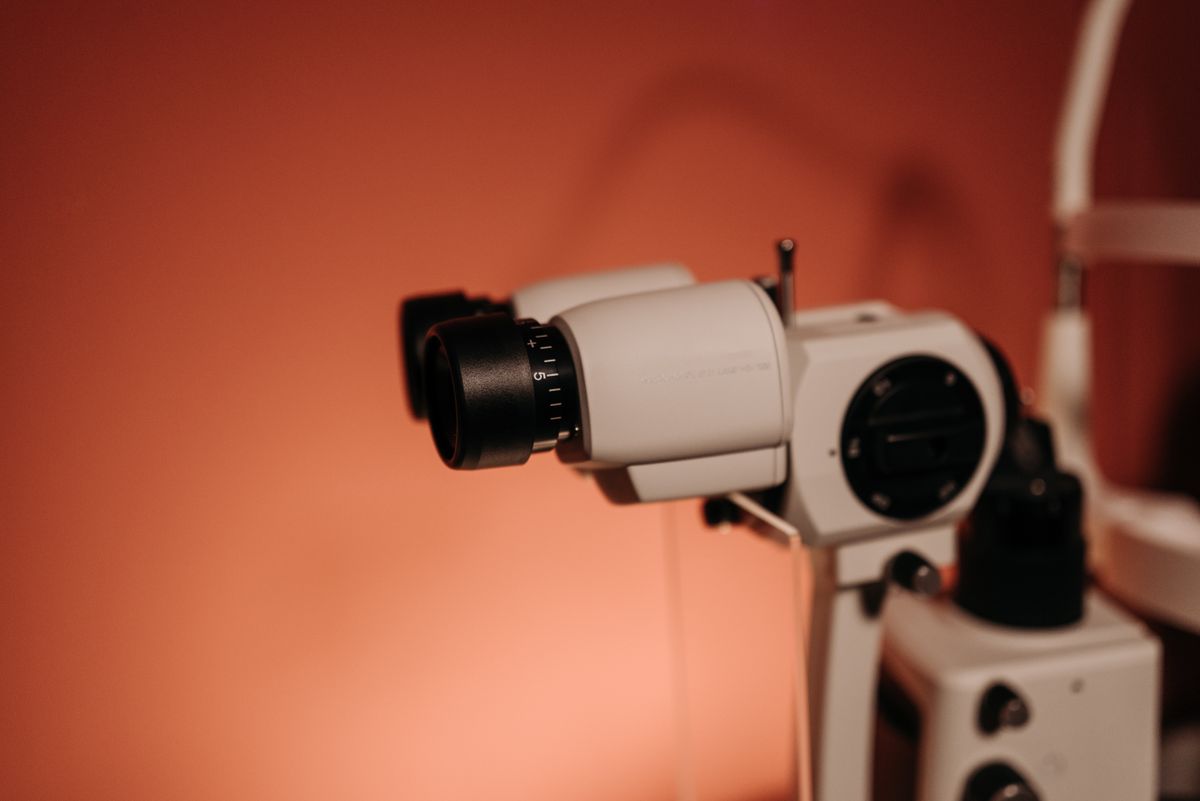
2. Slit Lamp
A slit lamp is essential for examining the anterior segment. Prices range from $6,000 to $12,000 for new units. Choose one with LED illumination for better visibility and longer bulb life. A used slit lamp can be a good option, but check the optics for scratches. Some practices start with a basic model and upgrade later.
3. Retinoscope and Ophthalmoscope
These are basic diagnostic tools. A retinoscope costs $300-$600, and an ophthalmoscope $400-$800. You can buy a combined set from brands like Welch Allyn. These are relatively inexpensive, so buy new for accuracy.
4. Lensometer
A lensometer measures existing prescriptions. Manual lensometers cost $1,500-$3,000, while automatic ones are $4,000-$8,000. For a new practice, a manual lensometer is sufficient, but if you expect high volume, consider automatic to save time.
Imaging and Testing Equipment
These tools help with retinal exams and glaucoma screening. Some are optional at first, but you should plan for them.
5. Fundus Camera
A fundus camera captures retinal images. Prices range from $10,000 to $25,000 for a non-mydriatic model. This is a significant investment, but it’s valuable for documentation and patient education. If budget is tight, consider a portable fundus camera ($5,000-$8,000) or start with a smartphone-based retinal camera ($2,000-$4,000) as a temporary solution.
6. Optical Coherence Tomography (OCT)
An OCT is crucial for diagnosing glaucoma and macular conditions. New units cost $25,000-$50,000. This is a major expense, but it’s becoming standard of care. If you can’t afford one initially, consider leasing or partnering with a local practice for referrals. Some practices start with a used OCT, but ensure it is still supported by the manufacturer.
7. Visual Field Analyzer
A visual field analyzer is essential for glaucoma management. Prices range from $8,000 to $15,000. Brands like Humphrey are the gold standard. A used unit can save money, but calibration is critical. If you’re not planning to manage glaucoma heavily, you might defer this purchase, but it’s often expected in a full-scope practice.
Practice Furniture and Equipment
These items are necessary for the exam room and front desk.
8. Exam Chair and Stand
An integrated exam chair and stand costs $10,000-$20,000. This is a major purchase. Look for a package deal that includes the chair, stand, and sometimes the slit lamp or phoropter. Used packages can be $5,000-$10,000, but check for wear. Consider a manual chair instead of electric to save $2,000-$3,000.
9. Trial Lens Set and Frame
A trial lens set costs $1,000-$2,000, and a trial frame $200-$400. These are essential for manual refraction. Buy a complete set from a trusted supplier.
10. Reception and Waiting Room Furniture
You’ll need a reception desk, chairs, and a waiting area. Budget $3,000-$8,000 for a functional setup. You can find affordable options at office supply stores or used furniture outlets. Don’t overspend here; focus on comfort and cleanliness.
What to Skip or Defer
Some equipment is tempting but not necessary at the start. Avoid these to keep your initial costs down.
11. Corneal Topographer
A corneal topographer maps the cornea’s surface, useful for contact lens fitting and refractive surgery. It costs $15,000-$25,000. Unless you plan to specialize in specialty contact lenses, skip this initially. You can refer patients to a colleague or use a mobile service.
12. Automated Refractor (Autorefractor)
An autorefractor provides a starting point for refraction, but it’s not essential. Costs $5,000-$10,000. Many practices find that a skilled optometrist can do without it, especially in the early years. If you have high volume, it might save time, but it’s not a must-have.
13. In-Office Optical Lab Equipment
Equipment to edge lenses in-house (edger, lensometer, etc.) costs $20,000-$50,000. For a new practice, it’s better to outsource lens fabrication to a lab. This saves upfront capital and reduces staff training. You can add an in-house lab later when your patient volume justifies it.
14. Premium Diagnostic Tools
Tools like a visual field analyzer with advanced software, or a high-end OCT with angiography, can cost $30,000+. Start with basic models and upgrade as your practice grows.
Cost Summary Table
Here’s a quick reference for budgeting:
| Equipment | Price Range (New) | Essential? |
|---|---|---|
| Phoropter | $8,000-$15,000 | Yes |
| Slit Lamp | $6,000-$12,000 | Yes |
| Retinoscope | $300-$600 | Yes |
| Ophthalmoscope | $400-$800 | Yes |
| Lensometer (manual) | $1,500-$3,000 | Yes |
| Fundus Camera | $10,000-$25,000 | Recommended |
| OCT | $25,000-$50,000 | Recommended |
| Visual Field Analyzer | $8,000-$15,000 | Recommended |
| Exam Chair/Stand | $10,000-$20,000 | Yes |
| Trial Lens Set | $1,000-$2,000 | Yes |
| Corneal Topographer | $15,000-$25,000 | No |
| Autorefractor | $5,000-$10,000 | No |
| In-house Lab | $20,000-$50,000 | No |
Practical Steps to Take This Week
- Create a budget: List all essential equipment and get quotes from at least two suppliers. Include installation and training costs.
- Research used equipment: Check with local optometry schools or online marketplaces for certified used equipment. Ensure it comes with a warranty.
- Prioritize: Rank equipment by necessity. Buy the essentials first, and plan to add imaging equipment within the first year.
- Consider financing: Many suppliers offer leasing or payment plans. Compare interest rates and terms.
- Consult with an experienced optometrist: Ask a mentor or colleague about what they wish they had bought or skipped.
FAQ
Can I start with a used phoropter?
Yes, a used phoropter from a reputable dealer can save 30-50% of the cost. Ensure it has been calibrated and serviced. Ask for a warranty.
Do I need an OCT in my first year?
Not necessarily, but it’s becoming standard. If you can’t afford one, consider leasing or partnering with a local ophthalmologist for referrals. You can add it later.
What is the minimum budget for essential equipment?
A basic setup with essential diagnostic tools and exam furniture can cost $30,000-$50,000. This includes a phoropter, slit lamp, lensometer, trial set, and chair/stand. Imaging equipment adds another $20,000-$50,000.
Should I buy or lease equipment?
Leasing can lower upfront costs, but you’ll pay more over time. For equipment that holds value, like a phoropter, buying is better. For high-tech items like OCT, leasing might be wise since technology changes quickly.
The Bottom Line
Starting a new optometry practice requires careful equipment planning. Focus on the essentials: a phoropter, slit lamp, lensometer, trial set, and exam chair. Defer big-ticket items like OCT and corneal topographer until your practice is established. Use used equipment where safe, and always prioritize patient care and accurate diagnosis. With a budget of $50,000-$80,000, you can equip a functional practice without overspending. Plan ahead, consult experts, and make informed choices to set your practice up for success.