Used vs New Equipment for New Optometry Practices
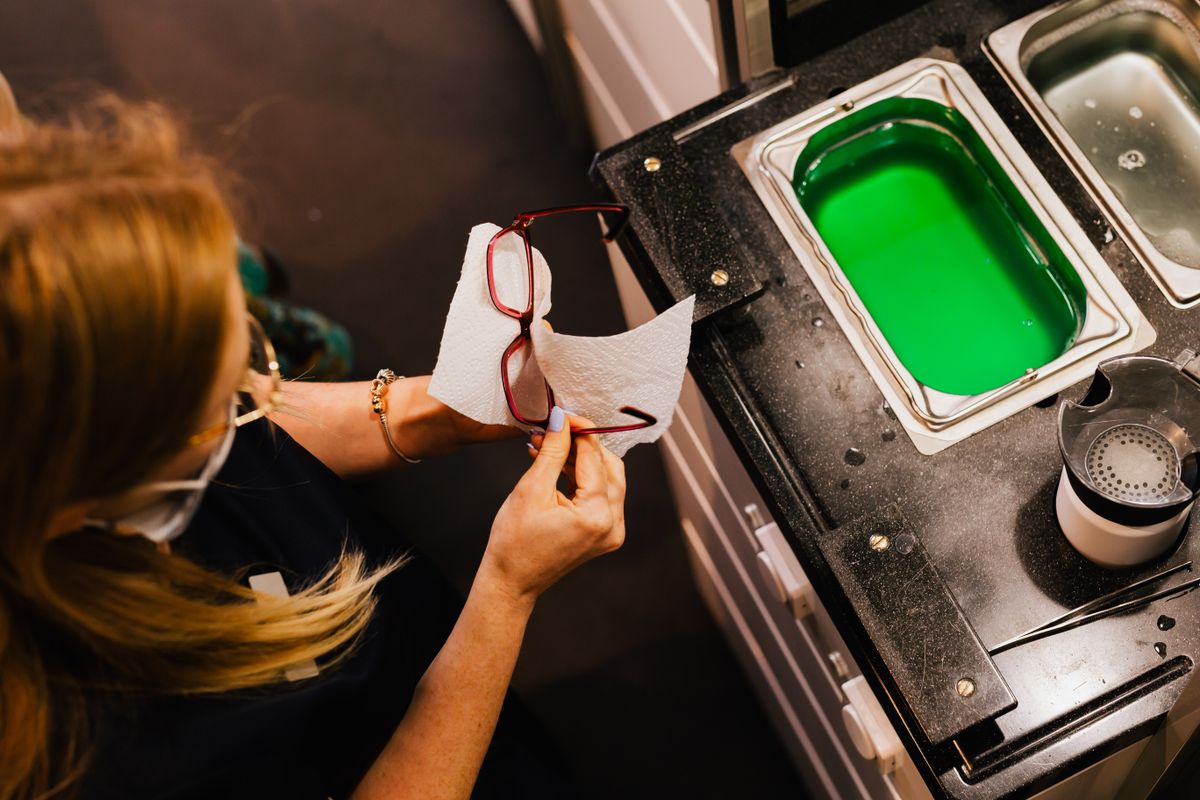
Compare used vs new optometry equipment: costs, warranties, risks, and practical steps to choose the right option for your new practice.
Starting an optometry practice requires significant capital, and equipment is one of the largest expenses. The decision between used and new equipment affects your upfront costs, ongoing maintenance, patient experience, and long-term profitability. This guide provides concrete numbers, trade-offs, and actionable steps to help you make the right choice for your new practice.
Why Equipment Choice Matters
Your equipment directly impacts the quality of eye exams, patient comfort, and your ability to diagnose accurately. New equipment offers the latest technology and full warranties, but it can drain your startup budget. Used equipment costs less but may come with unknown history, shorter lifespans, and potential downtime. The right choice balances your clinical needs, cash flow, and growth plans.
Cost Comparison: Used vs New
Below is a comparison of common optometry equipment, with realistic price ranges for new and used units in 2026. Prices vary by brand, model, age, and condition.
| Equipment | New Price Range | Used Price Range | Typical Savings with Used |
|---|---|---|---|
| Phoropter | $8,000-$15,000 | $3,000-$7,000 | 40%-60% |
| Slit Lamp | $6,000-$12,000 | $2,500-$5,000 | 50%-60% |
| Retinal Camera | $15,000-$30,000 | $6,000-$12,000 | 50%-60% |
| OCT (Optical Coherence Tomography) | $30,000-$60,000 | $15,000-$30,000 | 40%-50% |
| Autorefractor | $5,000-$10,000 | $2,000-$4,000 | 50%-60% |
| Lensometer | $1,500-$3,000 | $500-$1,200 | 50%-70% |
Note: Prices are estimates. For high-tech items like OCT, used models may be older generations, which can limit software upgrades and image quality.
Pros and Cons of Used Equipment
Pros
- Lower upfront cost: You can save 40%-60% on many items, freeing capital for other startup costs like leasehold improvements, marketing, and staff hiring.
- Faster break-even: With lower monthly loan payments or no debt, your practice reaches profitability sooner.
- Depreciation is less of a concern: Used equipment has already absorbed the steepest depreciation, so resale value is more stable.
Cons
- No warranty or limited warranty: Many used items are sold “as-is” or with a 30-90 day warranty. Repairs can cost $500-$2,000 per incident.
- Unknown maintenance history: You don’t know how well the previous owner maintained the equipment. Hidden issues can surface within months.
- Older technology: Used equipment may lack features like automated measurements, connectivity, or advanced imaging that patients expect.
- Potential downtime: If a used phoropter breaks, you may wait weeks for parts, disrupting patient care.
Pros and Cons of New Equipment
Pros
- Full warranty and support: Most new equipment includes 1-3 year warranties and access to manufacturer technical support.
- Latest technology: New models offer better accuracy, faster workflows, and improved patient comfort. For example, new autorefractors can measure in seconds.
- Reliability: New equipment is less likely to fail, reducing downtime and emergency repair costs.
- Financing options: Manufacturers often offer 0% or low-interest financing for new equipment, which can ease cash flow.
Cons
- Higher upfront cost: New equipment can cost 2-3 times more than used, straining your startup budget.
- Rapid depreciation: New equipment loses 20%-30% of its value in the first year, so resale value drops quickly.
- Overkill for some practices: If you’re starting a small practice, you may not need the most advanced OCT or retinal camera right away.
How to Decide: Key Factors
Consider these factors when choosing between used and new:
- Your budget: Calculate your total startup capital. If you have $150,000 for equipment, you can afford a mix of new and used. If you have $80,000, you’ll likely need to buy used for most items.
- Patient volume: If you plan to see 20+ patients per day, reliability is critical. New equipment minimizes downtime. For lower volume (10-15 patients/day), used equipment may be acceptable.
- Technology needs: If you want to offer advanced services like OCT for glaucoma management, you need a reliable, modern unit. Consider new for high-tech items, used for simpler tools like lensometers.
- Warranty and support: Check if the used equipment comes with any warranty. If not, budget 10%-15% of the purchase price for potential repairs in the first year.
- Future growth: If you plan to expand services, invest in new equipment that can grow with you. Used equipment may limit your ability to add features.
Practical Steps to Take This Week
- List your essential equipment: Write down the minimum equipment you need to open (phoropter, slit lamp, autorefractor, lensometer, etc.). Prioritize items that directly affect patient care.
- Get quotes for new equipment: Contact 2-3 major suppliers (e.g., Zeiss, Topcon, Nidek) for pricing on new models. Ask about financing and package deals.
- Search for used equipment: Check reputable sources like used medical equipment dealers, online marketplaces (e.g., eBay, MedWOW), and local optometry associations. Ask for service records and a demonstration.
- Compare total cost of ownership: For each item, estimate the 5-year cost: purchase price + estimated repairs + lost revenue from downtime. New equipment may cost more upfront but could be cheaper over time.
- Consult a practice consultant: If you’re unsure, hire a consultant who specializes in optometry startups. They can help you negotiate and avoid costly mistakes.
FAQ
Is used equipment reliable enough for a new practice?
Yes, if you buy from a reputable dealer and have it inspected by a technician. Many used units are from practices that upgraded, so they have years of life left. However, reliability varies, so always test the equipment and ask for a trial period.
What equipment should I buy new vs used?
Buy new for high-tech, high-use items like OCT and retinal cameras, where technology and reliability are critical. Buy used for simpler, durable items like lensometers, trial lens sets, and some slit lamps.
How can I finance used equipment?
You can use a small business loan, equipment leasing, or a line of credit. Some used equipment dealers offer in-house financing. Compare interest rates and terms before committing.
What are the hidden costs of used equipment?
Hidden costs include shipping, installation, calibration, and repairs. Budget 10%-15% of the purchase price for immediate servicing. Also, consider the cost of downtime if the equipment fails.
The Bottom Line
For new optometry practices, a hybrid approach often works best: buy new for critical, high-tech equipment that impacts patient care and revenue, and buy used for simpler, less critical items. This strategy balances cost and reliability. Always factor in total cost of ownership, not just the purchase price. Start by listing your needs, getting quotes, and inspecting used equipment carefully. With careful planning, you can equip your practice without overspending or compromising quality.