7 Mistakes New Optometry Practices Make in Their First Year
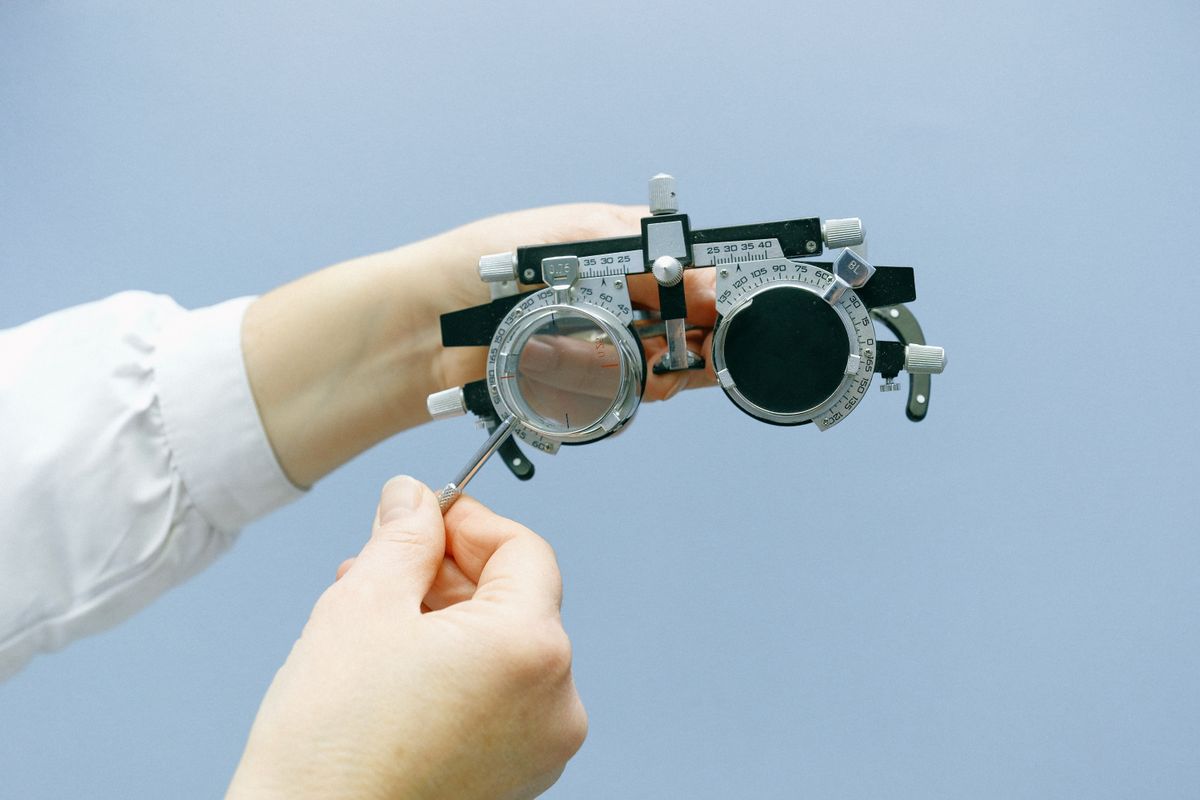
Avoid common tax pitfalls in your first year of optometry practice. Learn the 7 mistakes and practical steps to save money and stay compliant.
Starting an optometry practice is exciting, but the first year comes with a steep learning curve, especially on the tax side. Many new practice owners make avoidable mistakes that cost them thousands of dollars and create unnecessary stress. Here are the 7 most common tax mistakes new optometry practices make, and how to avoid them.
Mistake 1: Choosing the Wrong Business Structure
Many new optometrists start as sole proprietors or general partnerships without considering the tax implications. A sole proprietorship offers no liability protection and can result in higher self-employment taxes. An S-corporation or LLC taxed as an S-corp can save you money on self-employment taxes, but it comes with payroll requirements.
What to do: Consult with a CPA who works with medical practices. Discuss your revenue projections. If you expect to net more than $40,000 after expenses, an S-corp election might save you $2,000 to $5,000 annually in self-employment taxes. However, you must pay yourself a reasonable salary (typically $50,000 to $80,000 for optometrists) and file payroll taxes quarterly.
Mistake 2: Not Tracking Expenses from Day One
In the chaos of opening, many owners mix personal and business expenses. This makes it difficult to claim deductions and can trigger an audit. The IRS expects clear records.
What to do: Open a separate business bank account and credit card immediately. Use accounting software like QuickBooks or Xero, or hire a bookkeeper. Track every expense, no matter how small. Save receipts digitally using apps like Expensify or Shoeboxed. Categorize expenses weekly, not monthly, to avoid a backlog.
Mistake 3: Misclassifying Employees as Independent Contractors
You might hire an optician or front desk staff as 1099 contractors to save on payroll taxes. But if you control their hours, provide training, and supply equipment, they are employees. Misclassification can lead to back taxes, penalties, and interest.
What to do: Review the IRS 20-factor test. When in doubt, classify as an employee. The cost of payroll taxes (Social Security, Medicare, unemployment) is roughly 7.65% of wages, plus state unemployment insurance. But the penalty for misclassification can be 100% of the unpaid taxes, plus interest and fines. If you hire anyone, consult a payroll service like Gusto or ADP.
Mistake 4: Ignoring Quarterly Estimated Taxes
New practice owners often forget that taxes are pay-as-you-go. If you owe more than $1,000 at tax time, you may face underpayment penalties. The IRS expects quarterly payments on April 15, June 15, September 15, and January 15.
What to do: Work with your CPA to estimate your annual income and calculate quarterly payments. A common method is to pay 100% of last year’s tax liability (or 110% if your income is over $150,000). For a new practice, use the annualized income installment method. Set aside 25% to 30% of each paycheck for taxes in a separate savings account.
Mistake 5: Overlooking Depreciation on Equipment
Optometry equipment is expensive: phoropters, slit lamps, OCT machines, and edgers. Many owners deduct the full cost in year one using Section 179, but this can be a mistake if you expect higher income in later years. Bonus depreciation (80% in 2026) allows you to deduct a large portion now, but you might benefit more from spreading deductions over 5 to 7 years.
What to do: Create a depreciation schedule for all equipment over $2,500. Compare the tax savings of Section 179, bonus depreciation, and straight-line depreciation. For example, a $40,000 OCT machine: Section 179 saves $8,800 in taxes (22% bracket) in year one, but if you expect to be in the 32% bracket next year, you might prefer bonus depreciation. Your CPA can run the numbers.
Mistake 6: Not Taking Advantage of the QBI Deduction
The Qualified Business Income (QBI) deduction allows you to deduct up to 20% of your business income. Many new owners miss this because they don’t structure their business correctly. For 2026, the deduction is available to pass-through entities (S-corp, LLC, partnership) but not to C-corps. The income threshold is $182,100 for single filers and $364,200 for married filing jointly.
What to do: Ensure your practice is structured as a pass-through entity. Track your taxable income. If you’re under the threshold, you can claim the full 20% deduction. If you’re over, the deduction may be limited based on W-2 wages and property. For example, if your practice nets $150,000, the QBI deduction could save you $6,600 (assuming 22% tax rate).
Mistake 7: Failing to Plan for State and Local Taxes
Federal taxes get all the attention, but state income taxes, sales tax on retail items (eyeglasses, contact lenses), and property taxes on your office space can add up. Some states have no income tax, but others like California have rates up to 13.3%. You may also need to collect sales tax on frames, lenses, and OTC products.
What to do: Research your state’s tax requirements. Register for sales tax permits. Use a sales tax automation tool like Avalara or TaxJar. Set aside funds for state estimated payments. For example, if you’re in a state with a 7% income tax, set aside 7% of net income monthly. Also, check if your practice qualifies for any local tax incentives for small businesses.
FAQ
Q: Can I deduct the cost of starting my practice? A: Yes, up to $5,000 in startup costs in the first year, with the remainder amortized over 180 months. This includes legal fees, marketing, and training.
Q: Should I buy or lease equipment for tax purposes? A: Leasing allows you to deduct payments as operating expenses, while buying lets you claim depreciation. Compare the net present value of each option. Leasing often has lower monthly costs but no ownership.
Q: What if I miss a quarterly tax payment? A: You’ll owe interest and possibly a penalty. The penalty is based on the amount due and time outstanding. File as soon as possible to minimize penalties.
Q: Do I need to charge sales tax on eye exams? A: In most states, professional services like eye exams are not taxable, but retail products are. Check your state’s rules. For example, in Texas, exams are tax-exempt, but frames and lenses are taxable.
Related guides
The bottom line
The first year of your optometry practice sets the tone for your financial health. Avoid these 7 mistakes to save thousands and reduce stress. Work with a CPA who understands medical practices, track every expense, and plan your taxes quarterly. Take action this week: review your business structure, set up a separate bank account, and schedule a consultation with a tax professional. Your future self will thank you.