Best Practice Management Software for New Dental Practices
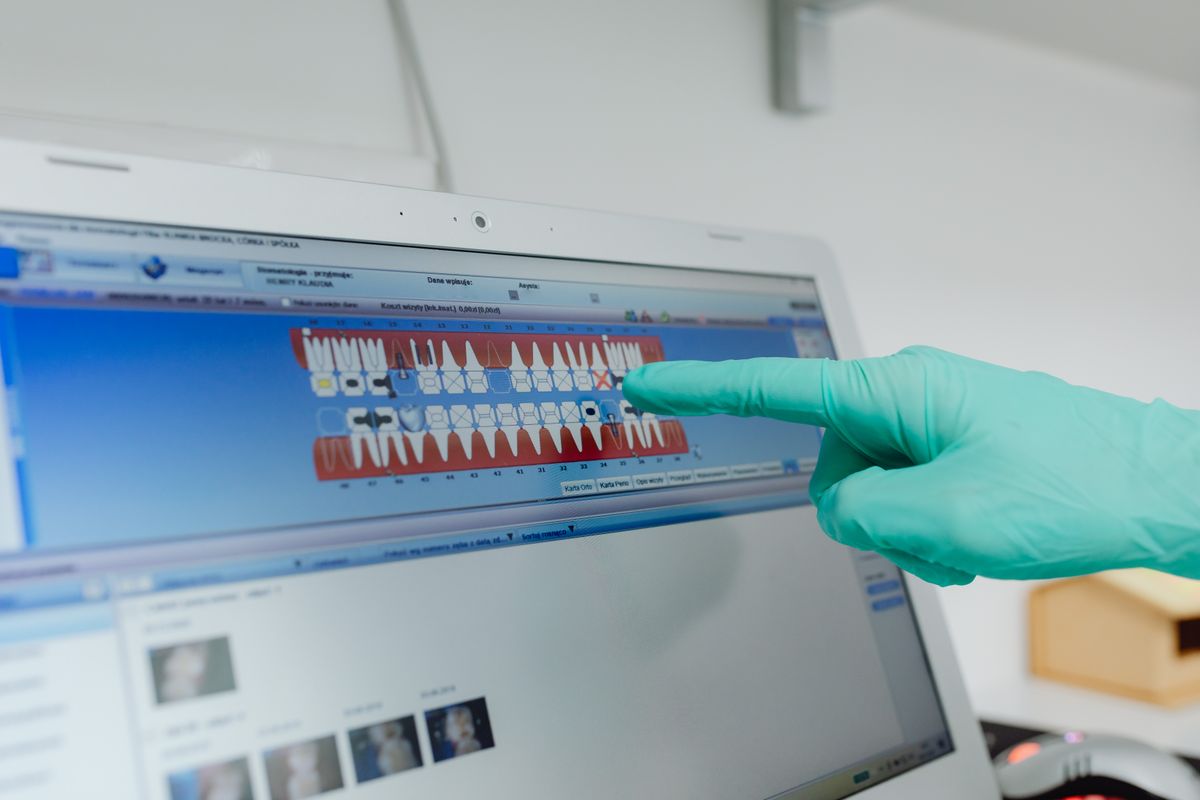
Compare top dental practice management software for new practices. Pricing, features, and steps to choose the right system for your office.
Choosing practice management software is one of the most important business decisions you will make as a new dental practice owner. The right system handles scheduling, billing, patient records, and insurance claims, and it can save you hours each week. The wrong system creates chaos. This guide compares the top options for new practices in 2026 and gives you a clear process to pick the best fit.
What to Look for in Dental Practice Management Software
Before comparing specific products, understand the core features your practice needs. Every system should include:
- Scheduling: appointment booking, chair time, and provider calendars.
- Patient records: digital charts, treatment plans, and medical history.
- Billing and insurance: claim submission, payment posting, and patient statements.
- Reporting: production, collections, and patient recall lists.
- E-prescriptions and patient communication (text reminders, recall).
For a new practice, also consider:
- Ease of use: you and your staff will learn it quickly.
- Cloud vs. on-premise: cloud systems are more common and require less IT.
- Integration: with imaging software, payment processors, and patient portals.
- Scalability: can it grow from one provider to multiple?
- Support and training: what onboarding is included?
Top Practice Management Software for New Dental Practices
Here are six leading options, with realistic pricing for a solo provider in 2026. Prices are per month and may vary based on features and contract length.
| Software | Best For | Starting Price (per month) | Key Features |
|---|---|---|---|
| Dentrix | Established practices, full-featured | $350-$500 | Comprehensive, on-premise or cloud, strong reporting |
| Eaglesoft | Practices wanting integrated imaging | $300-$450 | Built-in imaging, patient education, robust scheduling |
| Open Dental | Cost-conscious practices, custom needs | $250-$350 | Open-source, highly customizable, low monthly fee |
| Curve Dental | Cloud-first practices, simplicity | $300-$400 | Cloud-based, intuitive interface, all-in-one |
| Practice-Web | Small practices, affordability | $150-$250 | Budget-friendly, easy to use, good support |
| Dentrix Ascend | Modern cloud-based practices | $400-$500 | Cloud-native, analytics, AI-driven insights |
Prices are estimates for a single provider with standard modules. Contact vendors for exact quotes.
Detailed Comparison of Leading Options
Dentrix
Dentrix is one of the most widely used systems in the U.S. It offers a full suite: scheduling, charting, billing, and imaging. It can be installed on your own servers or accessed via the cloud (Dentrix Cloud). The learning curve is moderate, but training resources are extensive. Best for practices that want a proven system with deep features.
Eaglesoft
Eaglesoft, by Patterson Dental, integrates seamlessly with Patterson imaging and equipment. It has strong patient education tools and a user-friendly interface. It is a solid choice if you already use Patterson products. Pricing is comparable to Dentrix.
Open Dental
Open Dental is an open-source system with a low monthly cost. It is highly customizable, but you may need technical expertise to set up and maintain it. It offers a full range of features, including e-prescriptions and patient portal. Ideal for tech-savvy owners who want control and lower costs.
Curve Dental
Curve Dental is a cloud-based system designed for simplicity. It includes scheduling, charting, billing, and patient communication in one package. The interface is modern and intuitive, making it easy for new staff to learn. It is a great choice for practices that want to avoid hardware and IT headaches.
Practice-Web
Practice-Web is a budget-friendly option with a simple, clean interface. It covers all essential functions and offers excellent customer support. It lacks some advanced features like built-in imaging, but it integrates with third-party tools. Ideal for small or starting practices with tight budgets.
Dentrix Ascend
Dentrix Ascend is the cloud-based version of Dentrix, designed for modern practices. It offers real-time analytics, AI-driven insights, and a user-friendly interface. It is more expensive but includes advanced reporting and automation. Best for practices that want to leverage data for growth.
How to Choose: A Step-by-Step Guide
Follow these steps to select the right software for your new practice:
- List your must-have features. Write down the top 5 features you cannot live without, such as integrated payments or a patient portal.
- Set a budget. Include not only the monthly fee but also setup costs, training, and hardware (if on-premise).
- Request demos. Schedule live demos with 3-4 vendors. Ask about implementation time and training.
- Check integrations. Ensure the software works with your imaging system, x-ray sensors, and payment processors.
- Talk to current users. Ask vendors for references or join dental owner forums to get honest feedback.
- Test with a trial. Many vendors offer a free trial or sandbox. Enter sample data and run a mock day.
- Review the contract. Look for cancellation terms, data export options, and price increases after the first year.
Implementation Tips for a Smooth Launch
Once you choose software, follow these tips to avoid disruption:
- Plan your data migration. Work with the vendor to transfer patient records, insurance information, and historical data.
- Train your team early. Schedule training sessions before your go-live date. Practice entering appointments and claims.
- Start with a soft launch. Use the system for a few days while still running your old process, if possible.
- Have a support contact. Know who to call for issues, and keep a list of common troubleshooting steps.
FAQ
How much does dental practice management software cost?
For a new practice, expect to pay $150-$500 per month per provider, depending on the system and features. Setup fees can range from $500 to $2,000. Cloud systems often have lower upfront costs.
Is cloud-based software better than on-premise?
For most new practices, cloud-based is better because it reduces IT costs, allows remote access, and includes automatic updates. On-premise may be preferred if you have unreliable internet or want full control over data.
Can I switch software later if I’m unhappy?
Yes, but it can be costly and time-consuming. Data migration and retraining are the biggest challenges. Choose carefully upfront, but know that switching is possible.
Do I need separate software for imaging and patient communication?
Many practice management systems include basic imaging and communication tools. However, you may need separate specialized software for advanced imaging or marketing automation. Check integrations first.
The Bottom Line
The best practice management software for your new dental practice depends on your budget, technical comfort, and specific needs. For most new owners, cloud-based systems like Curve or Dentrix Ascend offer the easiest start. If cost is a primary concern, Practice-Web or Open Dental are solid choices. Always test with a trial and talk to current users before committing. Take the time to choose well, and your software will support your practice for years to come.