Dental Practice Taxes: What New Owners Need to Know in 2026
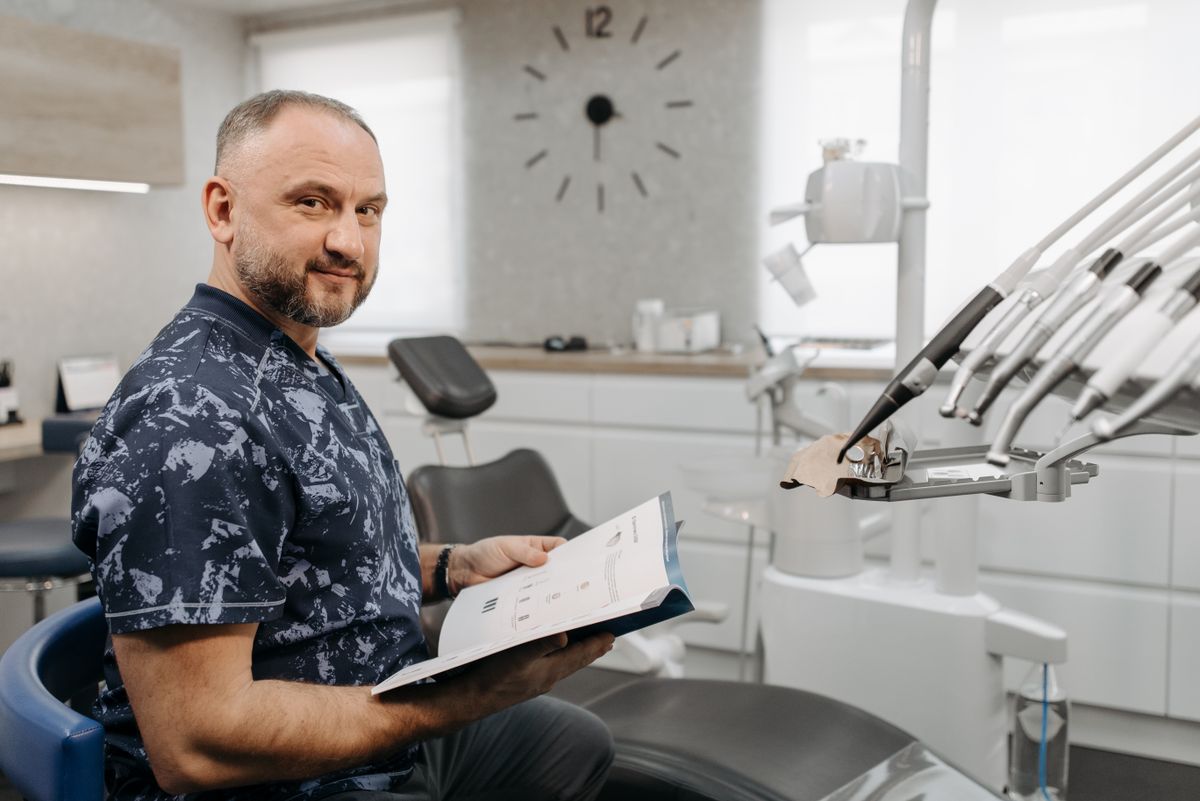
The tax structure of a dental practice: practice entity, payroll taxes, equipment deductions, and the write-offs specific to dentistry: explained for first-time practice owners.
Buying or starting a dental practice means taking on a business tax structure that most dentists never learned in dental school. This guide covers the parts that matter in year one.
The two tax layers of a dental practice
1. Practice entity taxes
Most dental practices operate as an S-Corp or PLLC taxed as an S-Corp. The structure:
- You pay yourself a “reasonable salary” (subject to payroll taxes)
- Remaining profit passes through as distributions (not subject to self-employment tax on the salary portion)
- The practice files its own return (Form 1120-S) but pays no federal income tax at the entity level
2. Personal taxes
Practice profit flows to your personal return. Your bracket depends on total household income: for most owner-dentists, 24%–35% federal.
Payroll taxes: the part that surprises new owners
As soon as you have staff (including yourself on salary), you’re responsible for:
- Employee share: 7.65% withheld from paychecks
- Employer share: 7.65% paid by the practice
- Unemployment taxes (state + federal FUTA)
- Quarterly payroll filings (Form 941)
The IRS is aggressive about payroll taxes: they survive bankruptcy and are often assessed personally against owners. Use a payroll service from month one; this is not the place to save money.
The equipment deduction that changes your numbers
Dentistry is equipment-heavy: chairs, imaging systems (CBCT, panoramic), handpieces, compressors, lasers. Two rules matter:
- Section 179: deduct the full cost of qualifying equipment in the year you put it in service, up to limits (over $1 million for 2025)
- Bonus depreciation: an additional immediate write-off on top of Section 179 (100% through 2023, phasing down in later years: verify the current percentage)
Example: a $120,000 CBCT scanner purchased in year one can produce a $120,000 deduction (Section 179), which at a 30% combined tax rate saves roughly $36,000 in taxes in that year.
Write-offs specific to dentistry
- Lab fees (crowns, bridges, dentures sent out): fully deductible
- Materials and supplies: consumables are deducted as used
- Sterilization equipment and maintenance: deductible
- License renewals and DEA registration: deductible
- Continuing education: courses, travel, and lodging
- Malpractice insurance: deductible
- Practice management software and imaging software: deductible (Section 179 covers software too)
Buying vs. starting: the tax difference
- Buying an existing practice: a portion of the purchase price is allocated to goodwill and patient lists: those are amortized over 15 years, not deducted upfront. Negotiate the allocation carefully; it changes your tax picture for 15 years.
- Starting from scratch: you avoid goodwill, but you absorb all setup costs as you go.
If you’re buying, have a CPA review the purchase allocation BEFORE you sign: this is one of the largest financial decisions in the deal.
Estimated payments
Like all self-employed professionals, owner-dentists pay quarterly estimated taxes (April, June, September, January). The safe harbor (100% of last year’s tax, 110% above $150,000 AGI) protects you from penalties in the first year.
The one thing to do in your first 90 days
- Set up a separate practice bank account and card (non-negotiable)
- Engage a payroll service before your first hire
- Choose a CPA who works with dental practices: dental-specific CPAs know lab fees, equipment schedules, and the goodwill allocation issues
The bottom line
A dental practice owner’s total tax burden typically lands at 30%–40% of pre-tax profit after entity choice, equipment deductions, and payroll. The three habits that protect you: correct entity election, payroll service from day one, and Section 179 planning with a CPA.
Last checked: August 21, 2026. Confirm current limits and percentages with a CPA.