Best Equipment for a New Dental Practice: What to Buy and What to Skip
A practical guide to essential dental equipment for new practices, with cost ranges, buying tips, and what to skip to save money.
Starting a dental practice requires significant capital, and equipment is one of the largest expenses. You need to balance quality, cost, and patient experience. This guide covers the essential equipment you should invest in, what you can defer, and what to skip entirely, with realistic 2026 price ranges.
The Core Operatory: What You Can’t Do Without
Your treatment room is the heart of your practice. The following items are non-negotiable for providing basic dental care.
Dental Chair and Delivery System
A reliable dental chair with integrated delivery system (including handpieces, air/water syringe, and suction) is your primary workstation. Prices range from $15,000 to $40,000 per operatory depending on brand and features. Look for a chair with good patient comfort, easy cleanup, and a service network in your area. Consider buying a slightly used chair from a reputable dealer to save 30-50%.
Handpieces
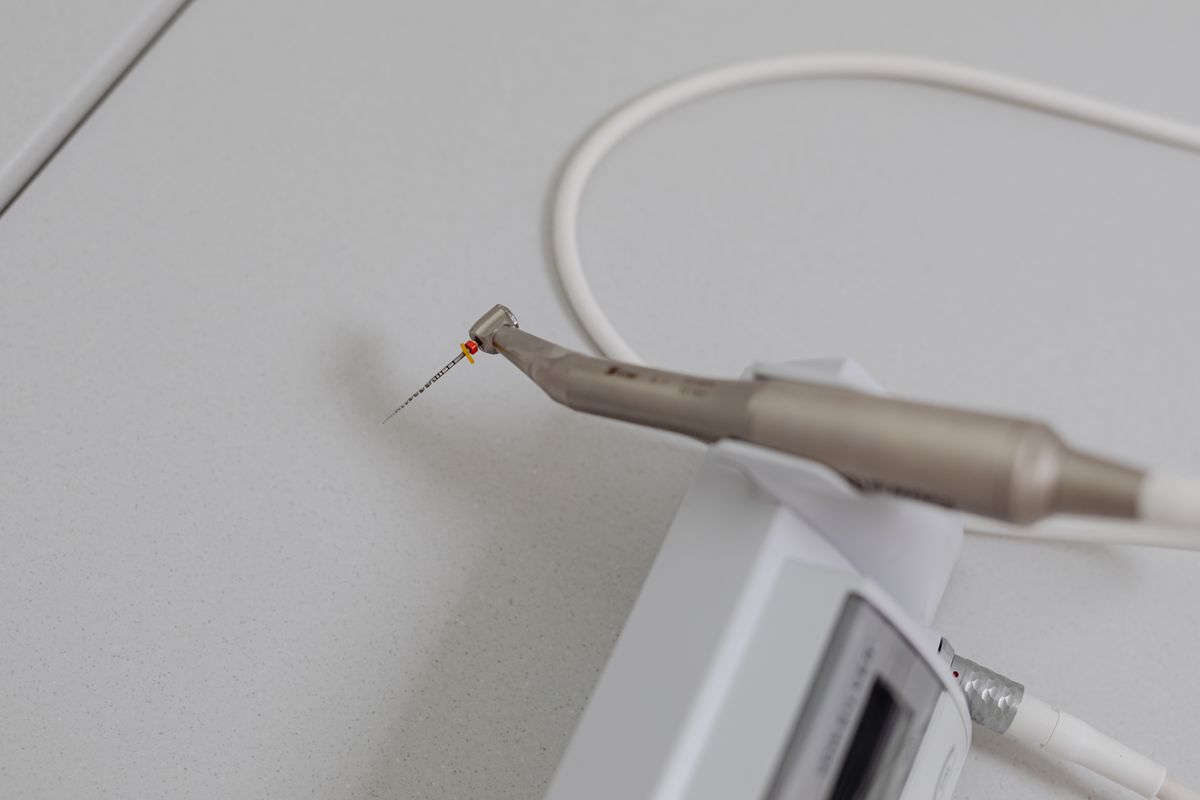
You need a set of high-speed and low-speed handpieces. A standard set includes 2-3 high-speed and 2 low-speed with attachments. Expect to pay $800 to $2,500 per handpiece. Buy from established brands like NSK, KaVo, or Midwest. Avoid the cheapest imports; they fail quickly and cost more in repairs.
X-Ray Equipment
Digital radiography is essential. A panoramic X-ray machine costs $40,000 to $80,000, while intraoral sensors run $8,000 to $15,000 each. You can start with one sensor and add more as patient volume grows. Consider a used panoramic unit to cut costs, but ensure it’s digital and compatible with your software.
Sterilization Equipment
An autoclave is mandatory. A class B autoclave costs $3,000 to $8,000. Also budget for an ultrasonic cleaner ($500 to $1,500) and a heat sealer ($300 to $600). These are non-negotiable for safety and compliance.
Basic Operatory Furniture
You need a dentist stool ($200 to $600), an assistant stool ($150 to $400), and a counter/cabinet system. Cabinets can cost $5,000 to $15,000 per operatory. Consider modular systems that can be expanded later.
The Front Office and Waiting Room: First Impressions Matter
Your front desk and waiting area set the tone. You don’t need luxury, but you need functionality and comfort.
Front Desk Computer and Software
A robust practice management software (PMS) is critical. Options like Dentrix, Eaglesoft, or Open Dental cost $300 to $800 per month for a single provider. Budget for a computer ($1,000 to $2,000) and a monitor for check-in. Don’t skimp on PMS; it handles scheduling, billing, and records.
Waiting Room Furniture
Seating for 4-6 patients costs $1,500 to $4,000. A reception desk (if not built-in) runs $2,000 to $5,000. Add a TV ($300 to $800) and some magazines. Keep it clean and simple.
Patient Education Tools
A monitor in the operatory for showing X-rays and treatment plans is helpful. A 24-inch monitor costs $150 to $300. You can also use a tablet for patient education, but it’s optional.
The Back Office: Billing and Administration
You need a space for billing, insurance claims, and administrative work.
Billing Computer and Printer
A dedicated billing computer ($800 to $1,500) and a laser printer ($200 to $500) for insurance forms and statements. A multi-function printer (print/scan/copy) is useful; budget $300 to $800.
Phone System
A VoIP phone system with multiple lines costs $50 to $150 per month. Many PMS platforms offer integrated phone features. Keep it simple.
What to Skip: Don’t Waste Money on These
Many new practices overspend on items that don’t generate revenue or can be added later.
Cone Beam CT (CBCT)
A CBCT machine costs $80,000 to $150,000. Unless you plan to do implant placement or complex oral surgery immediately, skip it. Refer patients to a local imaging center. You can add CBCT later when your case volume justifies it.
Intraoral Cameras
While nice for patient education, they cost $2,000 to $5,000. You can use a smartphone camera or a simple mirror for now. Add them when your budget allows.
Laser Dentistry Equipment
Lasers are trendy but expensive ($5,000 to $20,000). Most new practices don’t need them. Focus on basic procedures first.
In-House Lab Equipment
Unless you plan to do same-day crowns with a milling machine (which costs $50,000+), skip lab equipment. Use a dental lab for crowns and dentures.
Budgeting and Financing: How to Pay for It All
A new dental practice typically needs $200,000 to $400,000 for equipment and initial setup. Here’s how to plan:
- Lease vs. Buy: Leasing equipment can reduce upfront costs. Monthly payments for a $100,000 equipment package might be $2,000 to $3,000 per month. But buying used or financing through a dental equipment dealer often offers better long-term value.
- Used Equipment: Consider buying used from a reputable dealer or auction. You can save 30-50% on chairs, X-rays, and autoclaves. Ensure they are serviced and come with a warranty.
- Financing Options: Look into SBA loans, equipment financing, or dental-specific lenders. Interest rates range from 6% to 12%. Compare terms.
Practical Steps to Take This Week
- List Your Must-Haves: Write down the essential equipment for your first 6 months. Prioritize items that directly affect patient care and safety.
- Get Quotes: Contact 2-3 dental equipment suppliers for quotes on a basic operatory package. Compare prices and financing options.
- Check Used Market: Search online marketplaces like eBay or used dental equipment sites for deals. Verify the condition and ask for service records.
- Review Your PMS: Schedule demos with 2-3 practice management software vendors. Choose one that fits your workflow and budget.
FAQ
How much should I budget for dental equipment?
For a single-operatory practice, budget $150,000 to $250,000 for essential equipment. This includes chair, X-ray, sterilization, and front office items. Add $50,000 to $100,000 for a second operatory.
Is it better to lease or buy dental equipment?
Leasing reduces upfront costs and may include maintenance, but buying is often cheaper in the long run. If you have capital, buy used or finance through a dealer. Leasing is best if you want to preserve cash flow.
Can I start with just one operatory?
Yes, many new practices start with one operatory and add a second as patient volume grows. This reduces initial investment and risk.
What is the most important piece of equipment to not skimp on?
The dental chair and delivery system. It’s used for every patient and is expensive to replace. Invest in a reliable brand with good service support.
The Bottom Line
Equipping a new dental practice is a major investment, but you don’t need every gadget. Focus on essential items: a quality chair, handpieces, digital X-ray, sterilization, and a solid PMS. Skip expensive luxuries like CBCT or lasers until your practice is established. Buy used where possible, negotiate financing, and prioritize patient safety and comfort. With careful planning, you can open your doors without breaking the bank.