Compliance Checklist for New Dental Practices: What You Cannot Skip
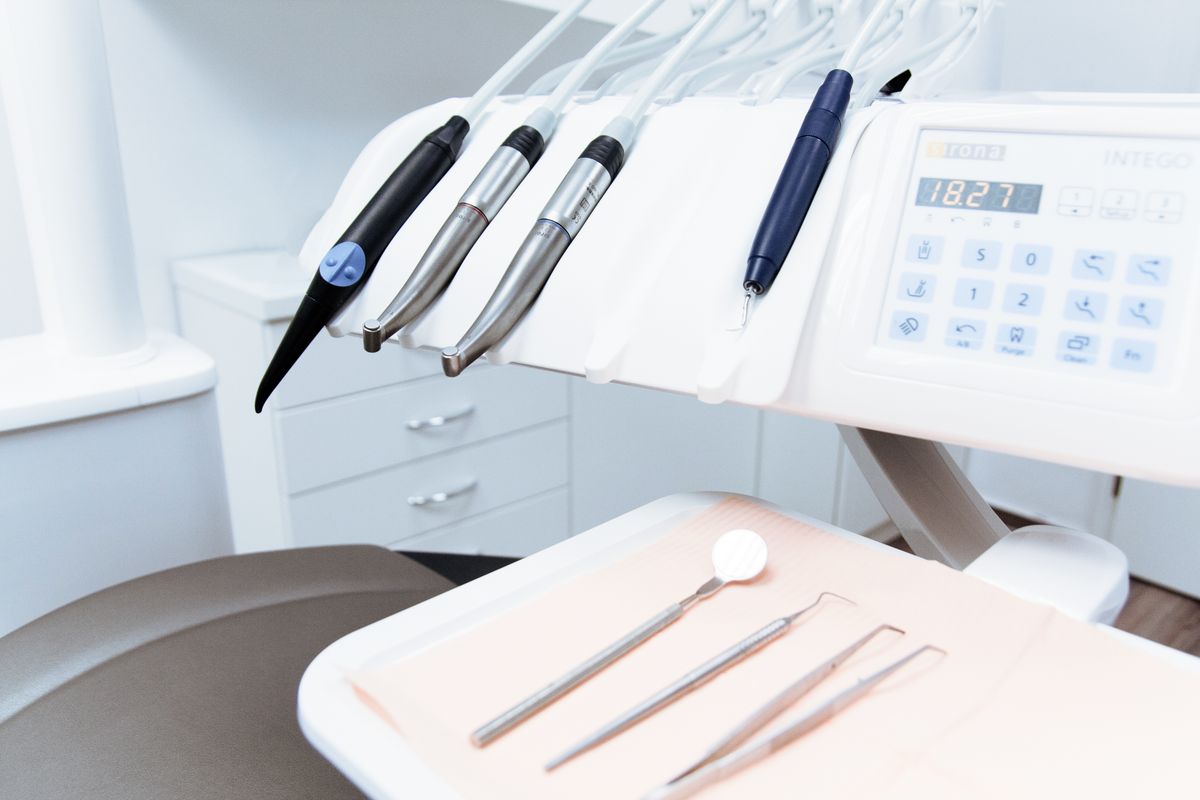
A practical compliance checklist for new dental practices covering HIPAA, OSHA, licensure, and more. Avoid fines and legal issues with these must-do steps.
Starting a dental practice is exciting, but compliance mistakes can cost you thousands in fines and even put your license at risk. This checklist covers the non-negotiable requirements you must address before opening your doors. Use it as a roadmap to stay legal and protect your patients and staff.
1. Obtain All Required Licenses and Permits
Before you can treat patients, you need the right credentials. This includes:
- Dental license: Ensure your license is active and displayed. Renewal fees vary by state, typically $100-$400 per year.
- DEA registration: Required if you prescribe controlled substances. The fee is $888 for three years (2026).
- State controlled substance registration: Many states require their own registration, separate from DEA. Fees range $50-$200 annually.
- Business licenses: Check city and county requirements. Often $50-$200 per year.
- X-ray machine permit: If you have on-site radiography, you may need a state permit. Fees vary, often $100-$500.
Action step: Contact your state dental board and local business office to list all required licenses. Start this process at least 3 months before opening, as some applications take 6-8 weeks.
2. Implement HIPAA Privacy and Security Policies
HIPAA compliance is not optional. You must:
- Designate a Privacy Officer and a Security Officer. This can be you or a staff member.
- Conduct a risk assessment of your physical and digital systems. Use a template from the HHS website or hire a consultant for $500-$2,000.
- Create and distribute a Notice of Privacy Practices to every patient. Have them sign an acknowledgment.
- Sign Business Associate Agreements (BAAs) with any vendor that handles protected health information (PHI), such as billing services, IT support, or cloud storage. If you use a cloud-based practice management system, ensure they provide a BAA.
- Train staff on HIPAA rules annually. Document the training.
- Establish breach notification procedures in case of a data breach.
Action step: Download HIPAA policy templates from a reputable source (e.g., ADA or HHS). Customize them for your practice and have an attorney review them.
3. Meet OSHA and Infection Control Standards
OSHA requires a written exposure control plan and infection control program. Key elements:
- Written Exposure Control Plan: Updates annually. Include procedures for handling bloodborne pathogens.
- Hepatitis B vaccination: Offer to all employees at no cost within 10 days of hire.
- Personal Protective Equipment (PPE): Provide gloves, masks, eye protection, and gowns. Budget $500-$1,000 per month for supplies.
- Sharps disposal: Use FDA-approved containers and contract with a medical waste company. Costs average $50-$150 per month.
- Sterilization logs: Keep records of every sterilization cycle. Use biological indicators (spore tests) weekly. Costs about $20-$40 per test.
- Employee training: Document training on bloodborne pathogens and infection control at hire and annually.
Action step: Review the CDC’s Summary of Infection Prevention Practices in Dental Settings. Create a binder with your written plan, training logs, and sterilization records.
4. Ensure Proper Credentialing and Insurance Enrollment
To bill insurance and get paid, you must be credentialed with payers:
- Apply to major insurance networks (e.g., Delta Dental, Cigna, Aetna). The process can take 60-120 days, so start early.
- Get a National Provider Identifier (NPI): Free, but required for all billing.
- Medicaid/Medicare enrollment: If you plan to serve these patients, enroll separately. Expect 3-6 months for processing.
- Verify your malpractice insurance: Most states require a minimum coverage, often $1 million per occurrence/$3 million aggregate. Premiums for new dentists range $3,000-$8,000 per year.
Action step: Create a spreadsheet of all payers you want to work with. Submit applications immediately, even before your office is fully built.
5. Develop a Compliance Manual and Staff Training Program
A written manual is your defense in an audit. Include:
- HIPAA policies (privacy, security, breach response)
- OSHA policies (exposure control, PPE, housekeeping)
- Emergency procedures (medical emergencies, fire, natural disasters)
- Employee rights and responsibilities (e.g., anti-harassment, discrimination)
- Documentation requirements for patient records, consent forms, and treatment plans.
Train all staff on these policies within the first week of hire and annually thereafter. Keep signed acknowledgments in personnel files.
Action step: Use a compliance manual template from a dental association or legal service. Customize it with your practice name and procedures. Have an employment attorney review it.
6. Prepare for Audits and Inspections
You may be audited by state dental boards, OSHA, or HIPAA investigators. Be ready:
- Keep records for at least 6 years (or as required by state law). This includes patient charts, financial records, and compliance logs.
- Conduct internal audits quarterly: review a sample of patient records for completeness, check sterilization logs, and verify staff certifications.
- Post required notices: OSHA and state labor posters must be visible. You can order a combined poster for about $20-$50.
Action step: Set calendar reminders for quarterly self-audits. Use a checklist from your state dental association.
7. Maintain Patient Records and Consent Forms
Proper documentation protects you in malpractice claims:
- Use standardized consent forms for treatment, sedation, and photography. Have an attorney draft or review them.
- Record all treatment details accurately: diagnosis, treatment plan, progress notes, and outcomes.
- Store records securely: physical records in locked cabinets, electronic records with encryption and access controls.
- Follow state retention laws: typically 5-10 years for adults, longer for minors.
Action step: Review your current consent forms and update them to include specific risks and alternatives. Train front desk staff on proper documentation.
FAQ
Q: How much does HIPAA compliance cost for a new practice? A: Basic costs include policy templates ($200-$500), staff training (free if done in-house, or $50-$100 per staff for online courses), and a risk assessment ($500-$2,000 if outsourced). Total first-year cost: $1,000-$3,000.
Q: Do I need a compliance officer if I’m a solo practice? A: Yes, you must designate someone. It can be you, but you must fulfill the duties: conducting risk assessments, training staff, and managing breaches.
Q: What happens if I skip OSHA training? A: OSHA can fine up to $13,653 per violation (2026). Even a first-time violation can cost thousands. The cost of training is far lower.
Q: Can I use a cloud-based practice management system without a BAA? A: No. Any vendor that stores or transmits PHI must have a BAA. If they refuse, do not use them. Most reputable systems provide one.
Related guides
The bottom line
Compliance is not optional, but it is manageable. Start early, use templates, and train your team. The cost of non-compliance far outweighs the investment. By following this checklist, you will protect your patients, your staff, and your practice’s future. Review it quarterly and update as regulations change. Your practice will be built on a solid foundation.