How to Finance Equipment for a New Dental Practice
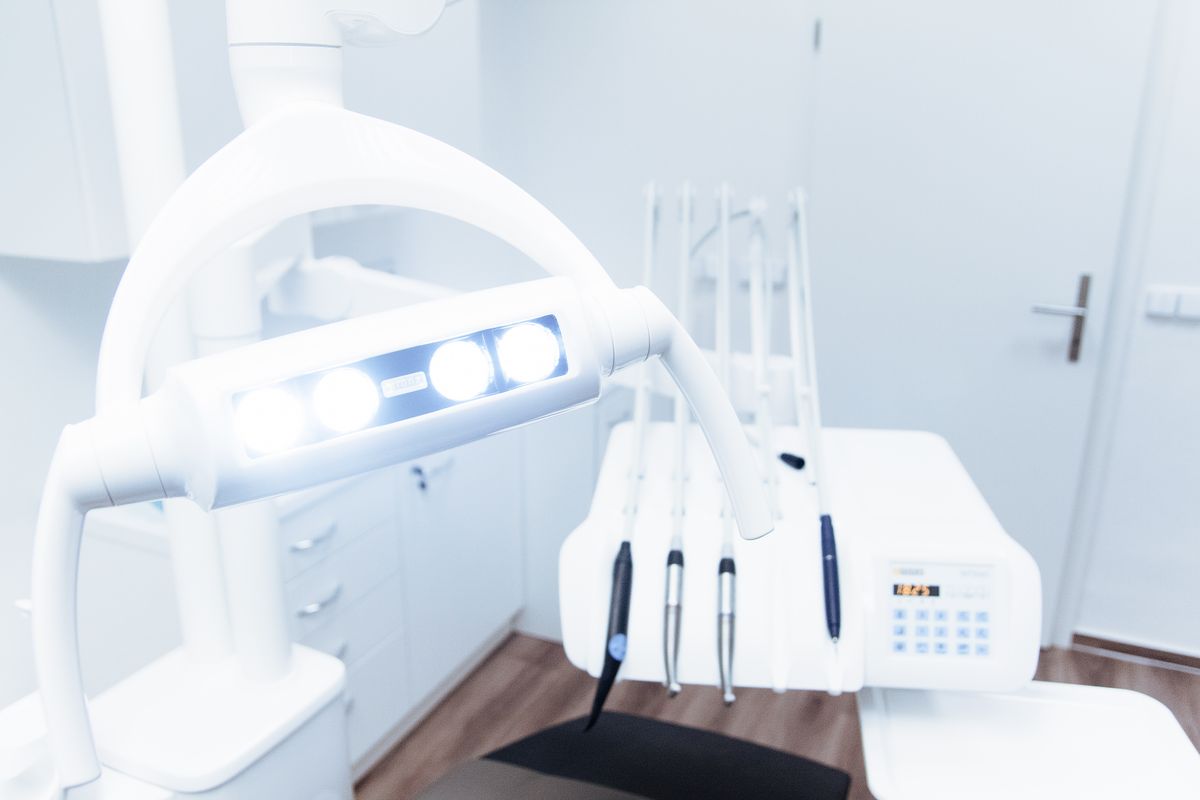
Learn practical ways to finance dental equipment in 2026: compare options, costs, and steps to get funding for your new practice.
Starting a new dental practice requires significant capital, and equipment is one of the largest upfront costs. From chairs and X-ray units to sterilizers and software, you need reliable gear without draining your cash reserves. This guide explains the main financing options, their costs, and how to choose the right one for your situation.
Understand Your Equipment Costs First
Before you talk to lenders, know what you need and what it costs. A typical new dental practice needs:
- Operatory equipment: dental chair, delivery system, light, and stool: $30,000-$60,000 per operatory
- Digital X-ray (panoramic or intraoral): $20,000-$50,000
- Sterilization equipment: $10,000-$20,000
- CAD/CAM system (optional): $50,000-$100,000
- Software (practice management, imaging): $5,000-$15,000 initial, plus $500-$1,500/month
- Miscellaneous (handpieces, instruments, furniture): $10,000-$30,000
Total for a three-operatory practice: $150,000-$300,000. Get itemized quotes from at least two suppliers to have solid numbers.
Compare Financing Options
Here are the most common ways to finance dental equipment in 2026, with realistic price ranges.
| Option | Typical Cost | Pros | Cons |
|---|---|---|---|
| Equipment leasing | Monthly payments $500-$2,000 depending on total | Lower upfront cost, flexible terms, may include maintenance | You don’t own the equipment; total cost can be higher |
| Equipment loan (bank or credit union) | 6%-12% APR, 3-7 year term | Own equipment, fixed payments, possible tax benefits | Requires good credit, down payment often 10%-20% |
| SBA 7(a) loan | 8%-12% APR, up to 10 years | Low down payment, long terms, covers multiple needs | Longer approval process, collateral required |
| Manufacturer financing | 0%-5% APR for first 12-24 months, then higher | Promotional rates, easy approval | Rates jump later, limited to specific brands |
| Vendor leasing (third-party) | $500-$1,500/month | Fast approval, minimal paperwork | Higher interest rates, strict terms |
| Cash purchase | No interest, but ties up capital | No debt, full ownership | Large cash outlay, may strain cash flow |
Step-by-Step: How to Get Financing
Follow these steps to secure the best deal for your practice.
-
Check your credit score. Lenders look at personal and business credit. For most equipment loans, a score above 700 gets better rates. If your score is lower, work on improving it before applying.
-
Prepare a business plan and financial projections. Include your startup costs, expected revenue, and cash flow for the first three years. Lenders want to see that you can make payments.
-
Get quotes from multiple equipment suppliers. Compare prices and ask about in-house financing or discounts for cash. Use these quotes to negotiate.
-
Apply for pre-approval. Approach your bank or credit union, or use an online lender that specializes in medical equipment. Pre-approval tells you the maximum amount and rate you qualify for.
-
Compare offers. Look at the total cost, not just the monthly payment. Calculate the total interest over the life of the loan. Use a loan calculator to compare.
-
Read the fine print. Watch for balloon payments, prepayment penalties, and maintenance clauses in leases. Make sure the terms fit your cash flow.
-
Close the deal and order equipment. Once approved, finalize the paperwork, then schedule delivery and installation.
Leasing vs. Buying: Which Is Better?
Leasing is attractive because it lowers upfront costs and lets you upgrade equipment more easily. However, over a 5-year lease, you may pay 20%-30% more than the purchase price. Buying with a loan gives you equity and potential tax deductions through depreciation. For a new practice, leasing can preserve cash for operating expenses, but if you plan to stay long-term, buying may be more cost-effective.
Tax Implications to Consider
Under Section 179 of the IRS tax code, you can deduct the full purchase price of qualifying equipment in the year you put it into service, up to certain limits (for 2026, the limit is $1,250,000). This can significantly reduce your tax liability. Leasing payments are also tax-deductible as operating expenses. Consult your accountant to maximize benefits.
What If Your Credit Is Less Than Perfect?
If your credit score is below 650, options are limited but exist. Consider:
- Equipment leasing companies that approve based on the equipment’s resale value, not your credit.
- Manufacturer financing with promotional offers, though rates may be higher.
- A co-signer with good credit.
- SBA loans that have more flexible credit requirements, but expect a longer process.
Be prepared to put down a larger deposit, often 20%-30%.
Frequently Asked Questions
Can I finance used dental equipment? Yes, many lenders finance used equipment, but rates may be slightly higher, and the equipment must meet certain age and condition requirements. Expect a shorter term, often 3-5 years.
What is the typical down payment for an equipment loan? For traditional bank loans, down payments range from 10% to 20%. SBA loans can require as little as 10%, but some lenders may ask for 20% or more.
How long does it take to get approved? Online lenders or leasing companies can approve within 24-48 hours. Bank loans may take 1-2 weeks. SBA loans can take 30-90 days, so plan ahead.
Can I include installation and training costs in the loan? Yes, many lenders allow you to finance installation, delivery, and training as part of the equipment cost. Be sure to ask your lender.
The Bottom Line
Financing dental equipment for a new practice is a critical decision. Start by getting exact quotes, then compare leasing, loans, and manufacturer options. Focus on the total cost, not just monthly payments. If your credit is strong, an equipment loan or SBA loan may offer the best long-term value. If you need to conserve cash, leasing can work. Always read the fine print and consult your accountant for tax advice. Take action this week: check your credit score and request quotes from two suppliers to begin the process.