How Many Employees Does a New Optometry Practice Need?
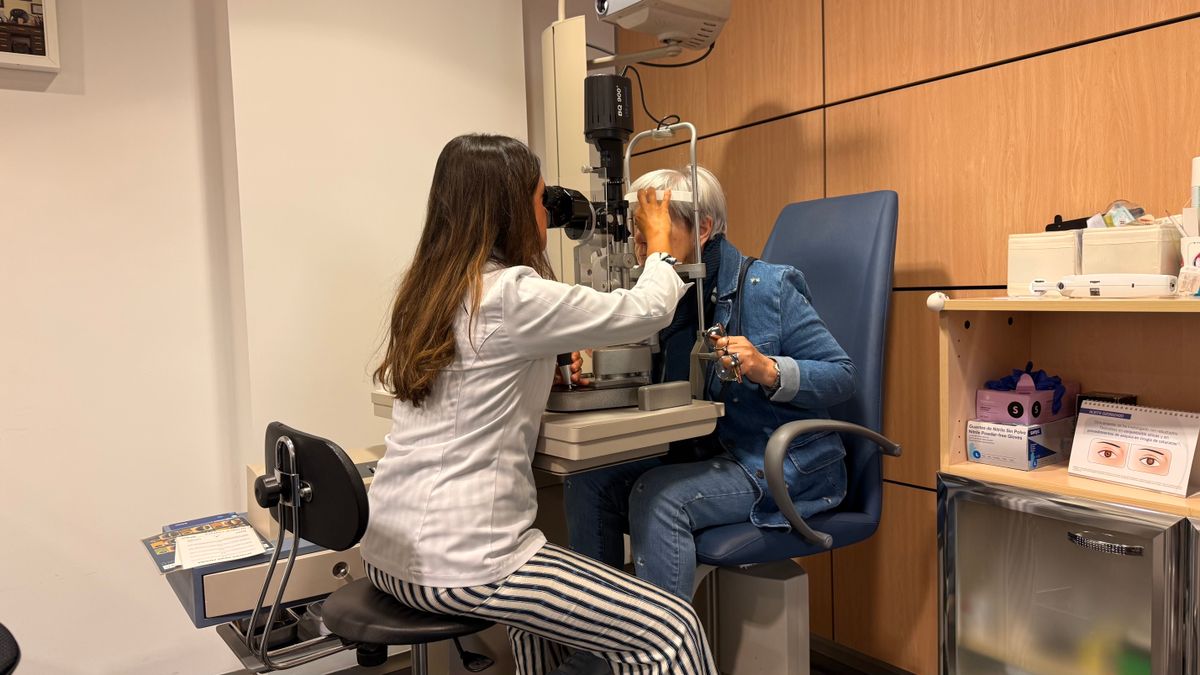
Learn the minimum staffing levels for a new optometry practice, with realistic salary ranges and a step-by-step plan to hire smart from day one.
Starting an optometry practice requires careful planning, and staffing is one of the biggest decisions you’ll make. The short answer: a new practice typically needs 3 to 5 employees, depending on patient volume and services offered. This guide breaks down the roles, realistic costs, and a practical hiring sequence so you can start with the right team without overstaffing.
Minimum Staffing for a New Practice
At a minimum, you need three roles to run a functional optometry office: an optometrist (you), a front desk receptionist, and a technician. If you plan to offer contact lens fittings or optical dispensing, you’ll also need an optician. Here’s a breakdown of core positions and typical 2026 salary ranges:
| Role | Responsibilities | Annual Salary Range (Full-Time) |
|---|---|---|
| Optometrist (Owner) | Exams, diagnosis, treatment | $120,000-$180,000 (your draw) |
| Front Desk Receptionist | Scheduling, check-in, insurance verification, billing | $30,000-$40,000 |
| Optometric Technician | Pre-testing, retinal imaging, patient flow | $32,000-$42,000 |
| Optician (if applicable) | Lens selection, fitting, adjustments | $38,000-$50,000 |
These figures are based on national averages for 2026. In high-cost areas, expect to pay 10-20% more. Part-time options can reduce costs but may limit coverage.
Factors That Affect Staffing Needs
Your exact headcount depends on several variables:
- Patient volume: A practice seeing 10 patients per day can manage with 2 staff; 20+ patients per day needs 3-4.
- Services offered: If you do contact lens fittings, you need a dedicated optician. If you offer medical eye care, you may need a medical assistant or scribe.
- Hours of operation: Extended hours or weekend coverage require more staff, either full-time or part-time.
- Insurance and billing complexity: Heavy vision insurance participation means more administrative work; you may need a billing specialist.
- Technology: Automated pre-testing equipment can reduce technician time, but someone still needs to run it.
Recommended Hiring Sequence for the First 6 Months
Don’t hire everyone at once. Follow this timeline to match staff to actual demand:
- Month 1: Hire a front desk receptionist. This is your first hire. They handle scheduling, patient intake, and insurance verification. Start with a part-time (20-30 hours/week) if volume is low.
- Month 1-2: Hire a technician. You need someone to run pre-testing and assist with exams. This can be a full-time role if you’re seeing 8+ patients per day.
- Month 3-6: Add an optician if you dispense eyewear. If you plan to sell glasses and contacts, an optician is essential. You can start with a part-time optician (2-3 days/week) and expand as optical sales grow.
- Month 6+: Consider a billing specialist. If you’re drowning in insurance claims, hire a part-time biller (10-20 hours/week) or outsource billing to a service for $500-$1,500/month.
This sequence keeps payroll lean while ensuring coverage.
Part-Time vs. Full-Time: What Works Best?
Many new practices start with a mix of part-time and full-time staff to control costs. Here’s a comparison:
| Staffing Model | Pros | Cons |
|---|---|---|
| All full-time | Consistent coverage, better team culture | Higher payroll, harder to adjust |
| All part-time | Lower cost, flexible scheduling | Inconsistent coverage, more training |
| Hybrid (recommended) | Balance of cost and coverage | Requires careful scheduling |
For a new practice, a hybrid model is often best: a full-time receptionist (40 hours) and a part-time technician (20-30 hours), with an optician on call or part-time.
Realistic Payroll Budget for Year 1
Your total payroll (excluding your own draw) should be 20-30% of gross revenue. For a new practice, plan for:
- Low volume (5-10 patients/day): $4,000-$6,000/month in staff salaries.
- Moderate volume (10-15 patients/day): $6,000-$9,000/month.
- High volume (15-20 patients/day): $9,000-$12,000/month.
These figures include wages, payroll taxes, and benefits (if offered). Don’t forget costs like workers’ comp insurance ($500-$2,000/year depending on state) and training time.
How to Avoid Overstaffing (Common Mistakes)
New owners often hire too many people too fast. Avoid these pitfalls:
- Hiring a full-time optician before you have optical sales: If you’re not selling many glasses, a part-time optician is enough.
- Adding a billing specialist when you could outsource: Outsourcing billing costs $500-$1,500/month, which is often cheaper than a $35,000+ salary.
- Ignoring cross-training: Train your receptionist to do basic pre-testing, and your technician to handle some front desk duties. This allows you to start with fewer staff.
Practical Steps You Can Take This Week
- Calculate your projected patient volume for the first 3 months. Use your business plan or local market data.
- Write clear job descriptions for the roles you need. Include specific duties and required skills.
- Set a payroll budget based on 20-30% of projected revenue. Adjust as you go.
- Post job listings on Indeed or local optometry forums. Start with a part-time receptionist and technician.
- Plan a cross-training schedule so you can cover gaps without extra hires.
FAQ
Q: Can I run a new optometry practice with just one employee? A: Yes, but only if you’re seeing fewer than 5 patients per day and you handle all admin tasks yourself. A single front desk person can manage scheduling and basic tasks, but you’ll be stretched thin. Most practices need at least 2 staff.
Q: How much should I pay a new optometric technician? A: In 2026, a new technician with no experience earns $30,000-$35,000/year. With 2+ years of experience, expect to pay $38,000-$42,000. Offer training to attract entry-level candidates.
Q: Should I hire a full-time optician or outsource optical services? A: If you sell fewer than 5 pairs of glasses per day, outsource to a lab that provides a dispensing optician on a per-visit basis (cost: $50-$100 per patient). For higher volume, a part-time optician is more cost-effective.
Q: What is the biggest staffing mistake new practices make? A: Overstaffing before revenue justifies it. Start minimal, track patient volume, and add staff only when you consistently see 15+ patients per day.
The Bottom Line
A new optometry practice typically needs 3 to 5 employees, but you can start with 2 and grow. Focus on a receptionist and technician first, add an optician when optical sales pick up, and consider outsourcing billing. Keep payroll at 20-30% of revenue, and cross-train to stay flexible. By following the hiring sequence and budget guidelines above, you’ll build a team that supports growth without breaking the bank.