Used vs New Equipment for New Dental Practices
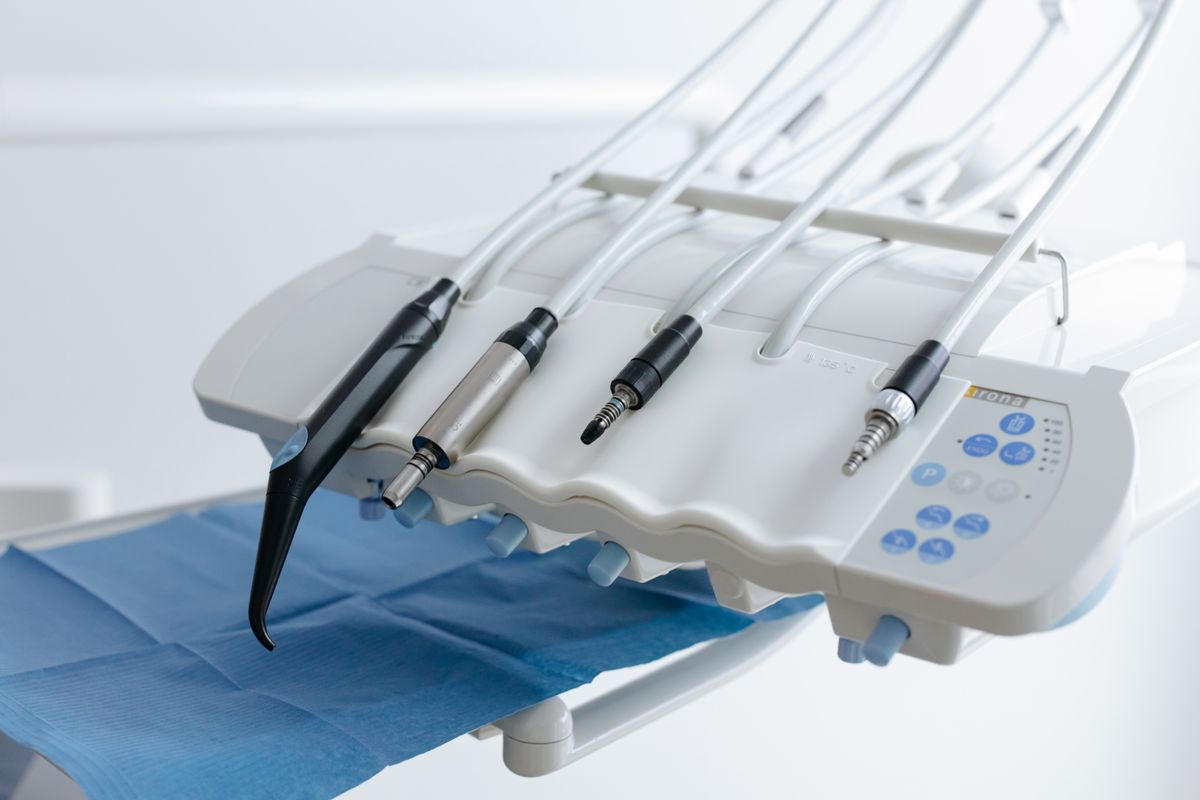
Compare costs, warranties, and risks of used vs new dental equipment. Get practical steps to choose wisely for your new practice.
Starting a dental practice means making big equipment decisions. Used equipment costs less upfront, but new gear offers reliability and warranty coverage. This guide breaks down the real tradeoffs so you can choose what fits your budget and risk tolerance.
The Cost Difference: What You Actually Pay
New dental equipment prices vary widely by brand and features. Here are realistic 2026 ranges for core items:
| Equipment | New Price Range | Used Price Range |
|---|---|---|
| Treatment chair (basic) | $8,000-$15,000 | $3,000-$7,000 |
| X-ray sensor (digital) | $8,000-$12,000 | $3,000-$6,000 |
| Intraoral camera | $3,000-$6,000 | $1,000-$2,500 |
| Autoclave (class B) | $5,000-$10,000 | $2,000-$5,000 |
| Ultrasonic scaler | $1,500-$3,000 | $500-$1,200 |
Used equipment typically costs 40-60% less than new. But that savings can disappear if you face repairs or downtime. A used chair with a failing motor might cost $1,500 to fix, wiping out your savings.
Warranty and Support: The Hidden Safety Net
New equipment comes with a manufacturer warranty, usually 1-3 years. This covers parts and labor, and you get access to technical support. Used equipment often has no warranty, or only a 30-90 day dealer guarantee. If a used unit breaks, you pay out of pocket for repairs, which can run $200-$500 per service call plus parts.
Consider this: a new autoclave with a 2-year warranty costs $8,000. A used one costs $4,000. If the used unit needs a $1,500 repair in the first year, you are still ahead, but you also lose clinical time. For critical items like sterilizers and X-ray sensors, reliability matters more than savings.
Technology and Compliance Risks
Dental technology changes fast. Used equipment may lack features that improve efficiency or patient comfort. For example, older X-ray sensors may have lower resolution or require more radiation. Newer sensors offer faster imaging and better diagnostics.
Compliance is another factor. Used equipment must meet current OSHA and FDA standards. Older models might not comply with updated infection control guidelines. Check that any used unit has a valid certification and meets your state’s requirements. A non-compliant autoclave can shut down your practice.
Financing and Cash Flow Impact
New equipment can be financed through dental supply companies or banks. Leasing is also an option, with payments often $500-$1,500 per month for a full operatory setup. Used equipment usually requires cash or a short-term loan, since many sellers want immediate payment.
If you have limited capital, buying used frees up cash for other startup costs like marketing or payroll. But if you finance new equipment, you preserve cash while spreading payments over time. Compare total interest costs: a $50,000 loan at 8% over 5 years costs about $10,000 in interest. That might be worth it for new gear.
Practical Steps to Decide This Week
- List your must-have equipment. Rank items by criticality. Sterilizers, X-ray, and chairs are essential. Items like intraoral cameras can wait.
- Set a budget per item. Include a 15% buffer for repairs or accessories.
- Research used sources. Check dental forums, local classifieds, and reputable dealers like Patterson or Henry Schein’s used inventory. Ask for service records.
- Get a third-party inspection. For any used unit over $5,000, pay a technician $150-$300 to evaluate it. This can save you from a bad purchase.
- Compare total cost of ownership. For each item, calculate: purchase price + estimated repairs over 3 years + downtime cost. New equipment often wins on reliability.
When to Buy Used vs New
Buy used if:
- You have a tight budget and can accept some risk.
- The item is non-critical or easy to replace (e.g., a secondary curing light).
- You find a well-maintained unit from a trusted seller with service records.
Buy new if:
- The item is critical for patient safety (autoclave, X-ray).
- You need warranty and technical support.
- You want the latest technology to attract patients.
- You plan to finance and can manage monthly payments.
FAQ
Is used dental equipment reliable? It can be, if you buy from a reputable dealer and get an inspection. But reliability varies. Ask for maintenance logs and test the unit before purchase.
What is the average lifespan of dental equipment? Most chairs and X-ray units last 10-15 years with proper maintenance. Autoclaves last 7-10 years. Used equipment may have 5-10 years left, depending on usage.
Can I finance used equipment? Yes, but terms may be shorter and interest rates higher. Some dealers offer in-house financing. Compare with new equipment loans from banks or dental supply companies.
Should I buy a used digital X-ray sensor? Be cautious. Sensors are delicate and can have image quality issues. If the price is right and the seller provides a warranty, it might work. But new sensors are safer for diagnostics.
The Bottom Line
Used equipment saves money upfront, but new equipment offers peace of mind. For critical items like sterilizers and X-ray sensors, buy new. For non-critical items, consider used if you can verify condition. Always factor in repair costs and downtime. A balanced approach: buy new for essentials, used for secondary tools. That way, you manage risk without overspending.
Take action this week: list your equipment needs, set a budget, and contact two dental equipment dealers for quotes on new and used options. With a clear plan, you can equip your practice without breaking the bank.