The New Dental Practice Hiring Checklist: From Job Post to Offer
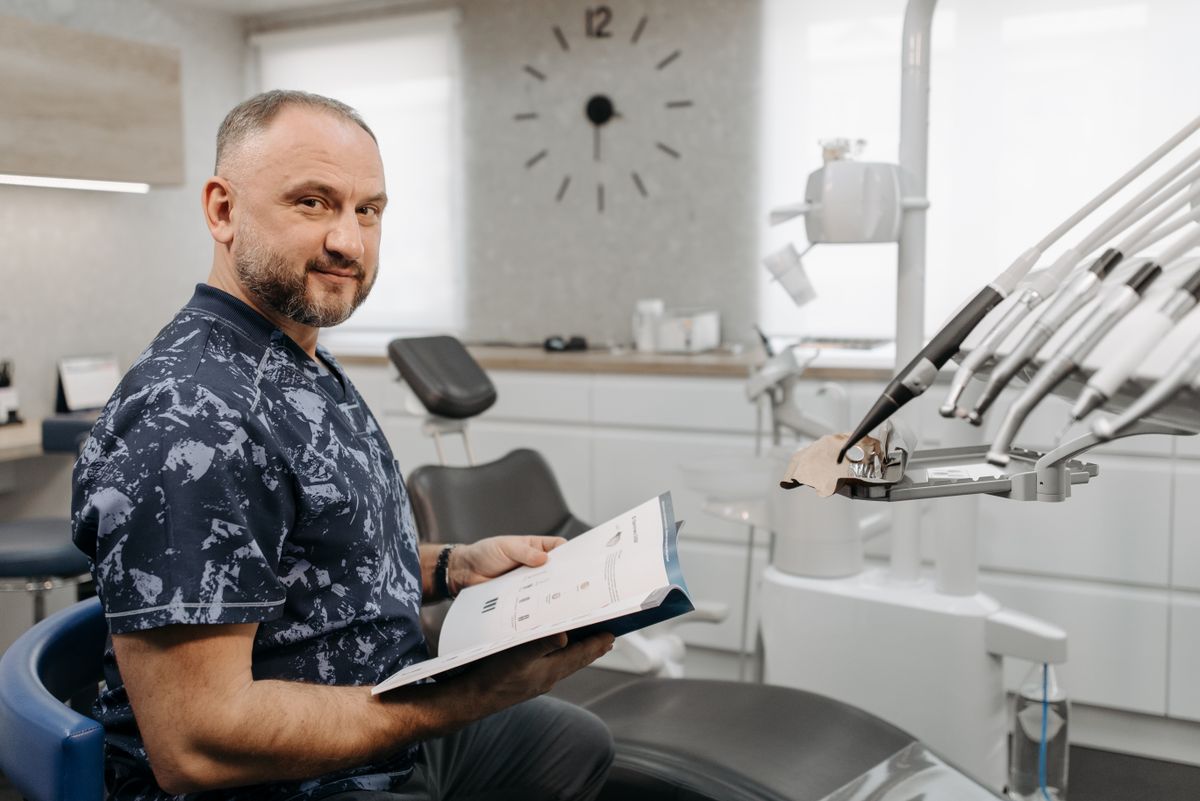
A step-by-step hiring checklist for new dental practices, from writing a job post to extending an offer, with realistic costs and timelines.
Hiring your first dental team members is one of the most critical steps for a new practice. A bad hire costs time, money, and patient trust. This checklist walks you through the entire process, from drafting a job post to signing an offer, with practical steps you can take this week.
Step 1: Define the Role and Requirements
Before you post anything, write down exactly what you need. For a dental practice, common first hires include a dental assistant, a front desk coordinator, or a hygienist. Each role has different requirements.
- Dental Assistant: Typically requires a state certification or on-the-job training. Salary range: $18-$25 per hour.
- Front Desk Coordinator: Needs strong communication and scheduling skills. Salary range: $17-$22 per hour.
- Dental Hygienist: Requires an associate’s degree and state license. Salary range: $35-$50 per hour.
Create a one-page job description that lists:
- Job title and summary
- Key responsibilities (e.g., patient intake, chairside assisting, billing)
- Required qualifications (certifications, experience)
- Preferred skills (soft skills, software familiarity)
- Work schedule and compensation range
Action this week: Write the job description and have a colleague review it for clarity.
Step 2: Choose Where to Post the Job
You have several options for posting your job. Each has different costs and reach.
| Platform | Cost Range | Best For |
|---|---|---|
| Indeed | $0-$200 per posting | Broad reach, many applicants |
| ZipRecruiter | $0-$299 per month | Automated matching, smaller practices |
| Dental-specific job boards (e.g., DentalPost) | $99-$299 per posting | Targeted dental candidates |
| Local dental society or association | $0-$150 | Local candidates, professional network |
| Your practice website and social media | $0 | Passive candidates, brand building |
For a new practice, start with free or low-cost options like Indeed and your website. Add a paid dental board if you need more applicants.
Action this week: Post the job on at least two platforms (one free, one paid if budget allows).
Step 3: Screen Resumes and Applications
Expect 50-100 applications for a dental assistant or front desk role, but only 10-20 will be qualified. Screen resumes for:
- Relevant experience (at least 1-2 years for clinical roles)
- Certifications and licenses (verify they are current)
- Job stability (no more than 3 jobs in 5 years)
- Spelling and grammar (attention to detail)
Create a simple scoring system: 1 point for each required qualification, 2 points for preferred skills. Shortlist candidates with a score of 5 or higher.
Action this week: Review applications and shortlist 5-7 candidates for phone interviews.
Step 4: Conduct Phone Interviews
A 15-20 minute phone interview saves time by weeding out unqualified candidates. Ask these questions:
- “Tell me about your experience in a dental office.”
- “What software have you used for scheduling or patient records?”
- “Why are you interested in this practice?”
- “What are your salary expectations?”
Listen for enthusiasm and communication skills. Take notes and rate each candidate on a scale of 1-5.
Action this week: Schedule and complete phone interviews for all shortlisted candidates.
Step 5: In-Person Interview and Working Interview
Invite the top 2-3 candidates for an in-person interview. This should include a tour of the practice and a meeting with you. For clinical roles, a working interview is essential. This is a paid half-day (4 hours) where the candidate assists or works with you.
- Pay the candidate for the working interview, typically $50-$100 for the half day.
- Observe their clinical skills, patient interaction, and teamwork.
- Ask them to perform a specific task, like taking an X-ray or setting up a tray.
For front desk roles, have them handle a mock phone call or schedule a patient.
Action this week: Schedule in-person interviews and working interviews for finalists.
Step 6: Check References and Credentials
Before making an offer, verify:
- Licenses and certifications (contact the state board)
- Work history (call previous employers)
- Professional references (ask for 2-3)
Use a reference check script: “What were their strengths? What areas needed improvement? Would you rehire them?”
Action this week: Complete reference checks for your top candidate.
Step 7: Make the Offer
Once you’ve selected your candidate, extend a formal offer. Include:
- Job title and start date
- Compensation (hourly or salary)
- Benefits (health insurance, paid time off, retirement)
- Contingencies (passing background check, proof of licensure)
Typical benefits for a dental practice:
- Health insurance: $300-$600 per month per employee (employer contribution)
- Paid time off: 10-15 days per year
- Retirement plan: 3% match (common)
Send the offer letter via email and follow up with a phone call. Give the candidate 3-5 business days to decide.
Action this week: Send the offer letter and follow up.
Step 8: Onboard and Train
Your checklist doesn’t end at the offer. Plan a 2-week onboarding schedule:
- Day 1: Paperwork, tour, introduction to team
- Week 1: Training on software, protocols, and patient flow
- Week 2: Shadowing and supervised work
Set clear expectations and check in weekly for the first month.
Action this week: Prepare an onboarding binder with policies, procedures, and training checklists.
FAQ
Q: How much does it cost to hire a dental assistant? A: Besides the hourly wage ($18-$25), you’ll spend $0-$300 on job postings, $50-$100 for a working interview, and $100-$300 for background checks and onboarding materials. Total upfront cost: $150-$700.
Q: How long does the hiring process take? A: From posting to offer, expect 2-4 weeks. This includes 1 week for applications, 1 week for interviews, and 1 week for reference checks and offer.
Q: Should I use a dental staffing agency? A: Agencies charge 15-25% of the first year’s salary, which is expensive for a new practice. Use them only for hard-to-fill roles like hygienists.
Q: What if I make a bad hire? A: Have a 90-day probation period in your offer letter. This allows you to terminate employment without severance if the fit isn’t right.
The Bottom Line
Hiring for your new dental practice is a structured process that takes time and attention. Follow this checklist to avoid costly mistakes: define the role, post strategically, screen carefully, interview thoroughly, check references, and make a clear offer. By taking one action each week, you can have a qualified team member in place within a month. Start today by writing that job description.