What Licenses Does a New Vet Clinic Need?
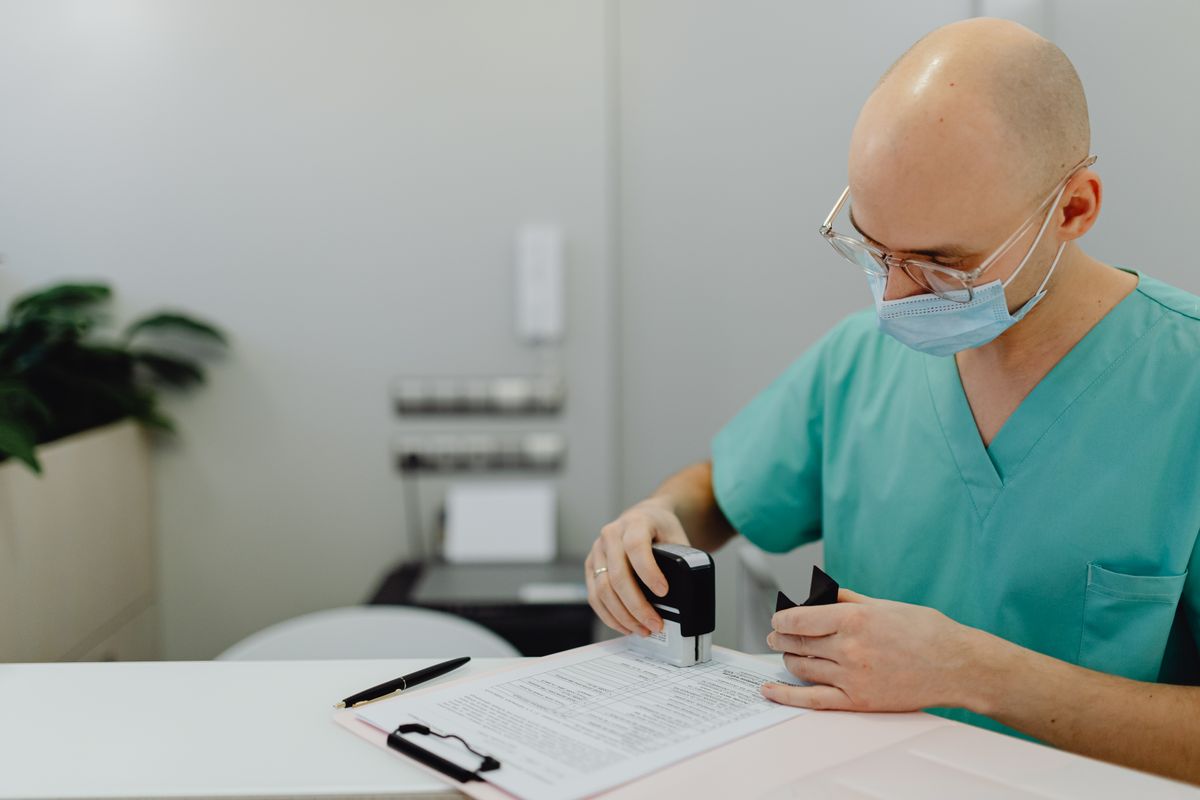
Learn the essential licenses and permits for opening a vet clinic, including federal, state, and local requirements, with costs and steps.
Opening a new veterinary clinic requires more than a degree and a lease. You need a specific set of licenses and permits at the federal, state, and local levels. This guide breaks down the essential licenses, their typical costs, and the steps to secure them. Expect to spend $500 to $3,000 on licensing fees in your first year, plus time for applications and inspections.
State Veterinary License
Every state requires a veterinary license for the clinic itself, not just for individual veterinarians. This is often called a facility license or veterinary establishment permit. It proves your clinic meets state standards for equipment, sanitation, and record keeping.
- Cost: $100 to $500 per year, depending on state.
- Requirements: Submit an application, pay the fee, and pass an inspection by the state veterinary board.
- Timeline: 4 to 8 weeks after application, if all documents are in order.
Steps:
- Contact your state’s veterinary medical board for the facility license application.
- Prepare your clinic’s floor plan, equipment list, and infection control protocols.
- Schedule the required inspection and address any deficiencies.
DEA Registration
If you plan to dispense or prescribe controlled substances (e.g., opioids, sedatives), you must register with the Drug Enforcement Administration (DEA). This is a federal requirement.
- Cost: $888 for a three-year registration (as of 2026).
- Requirements: You need a state veterinary license and a valid premises address. You must also designate a pharmacist-in-charge if you have a pharmacy.
- Timeline: 4 to 6 weeks after submitting the application online.
Steps:
- Apply online via the DEA’s Diversion Control Division website.
- Pay the fee and provide your state license number.
- Keep a log of all controlled substances, as required.
Local Business License
Most cities or counties require a general business license to operate legally. This is separate from your veterinary license and is often renewed annually.
- Cost: $50 to $400 per year, depending on location and business size.
- Requirements: Register your business name, provide proof of zoning compliance, and pay the fee.
- Timeline: 1 to 2 weeks.
Steps:
- Check with your city or county clerk’s office for the business license application.
- Ensure your clinic’s location is zoned for veterinary use.
- Display the license in a visible area.
Zoning and Occupancy Permits
Before you open, you need to confirm your property is zoned for a veterinary clinic. You also need a certificate of occupancy from your local building department.
- Cost: $100 to $1,000, depending on inspections and permits.
- Requirements: Pass building, fire, and health inspections. You may need to upgrade facilities (e.g., ventilation, waste disposal).
- Timeline: 2 to 6 weeks, depending on the scope of renovations.
Steps:
- Verify zoning with the local planning department.
- Apply for a building permit if you’re making structural changes.
- Schedule inspections and obtain the certificate of occupancy.
Controlled Substance Registration (State)
Many states require a separate controlled substance registration, even if you have a DEA number. This is often called a state controlled substance license.
- Cost: $50 to $300 per year.
- Requirements: Proof of DEA registration and payment of the state fee.
- Timeline: 2 to 4 weeks.
Steps:
- Contact your state’s pharmacy board or health department.
- Submit the application and pay the fee.
- Keep this license on file with your DEA registration.
X-Ray Machine Registration
If your clinic uses radiography equipment, you must register the machine with your state’s radiation control program. This ensures safety standards are met.
- Cost: $50 to $200 per year.
- Requirements: Provide the machine’s specifications, pass a radiation safety inspection, and designate a radiation safety officer.
- Timeline: 2 to 6 weeks.
Steps:
- Contact your state’s radiation control office for the registration form.
- Have a qualified physicist or technician inspect the equipment.
- Renew annually.
Hazardous Waste Permit
Veterinary clinics generate medical waste (e.g., needles, pharmaceuticals). You may need a permit for hazardous waste disposal, depending on your state and waste volume.
- Cost: $100 to $500 per year, or per pickup.
- Requirements: Use a licensed medical waste disposal service and keep manifests.
- Timeline: 1 to 3 weeks to set up service.
Steps:
- Identify a licensed waste hauler in your area.
- Sign a service agreement and obtain a permit if your state requires it.
- Train staff on proper waste segregation.
License Comparison Table
| License/Permit | Issuing Agency | Typical Cost (Annual) | Renewal Frequency |
|---|---|---|---|
| State Veterinary License | State Veterinary Board | $100-$500 | Annual |
| DEA Registration | Federal DEA | $296/year (paid every 3 years) | Every 3 years |
| Local Business License | City/County | $50-$400 | Annual |
| Zoning/Occupancy Permit | Local Building Dept. | $100-$1,000 (one-time) | One-time, unless changes |
| State Controlled Substance License | State Pharmacy Board | $50-$300 | Annual |
| X-Ray Registration | State Radiation Control | $50-$200 | Annual |
| Hazardous Waste Permit | State Environmental Agency | $100-$500 | Annual |
FAQ
Q: Can I open a vet clinic without a DEA number? A: Yes, if you never handle controlled substances. But most clinics need them for common medications like opioids or sedatives. If you skip DEA registration, you cannot prescribe these drugs.
Q: Do I need a separate license for each veterinarian? A: Yes. Each veterinarian must have an individual state license to practice. The clinic also needs its own facility license. Both are required.
Q: How long does it take to get all licenses? A: Plan for 2 to 3 months from start to finish. State and DEA applications take the longest, often 4 to 8 weeks each. Start early.
Q: What happens if I operate without the right licenses? A: You risk fines, closure, and loss of your veterinary license. In some states, it’s a criminal offense. Always verify requirements before opening.
The Bottom Line
Getting licensed is a multi-step process, but it’s manageable if you start early. Budget $500 to $3,000 for first-year licensing fees. Contact your state veterinary board, local city hall, and the DEA to get the exact applications. Keep copies of all licenses on file and set reminders for renewals. This week, make a list of the licenses you need and call your state board to request an application packet.