Used vs New Equipment for New Vet Clinics
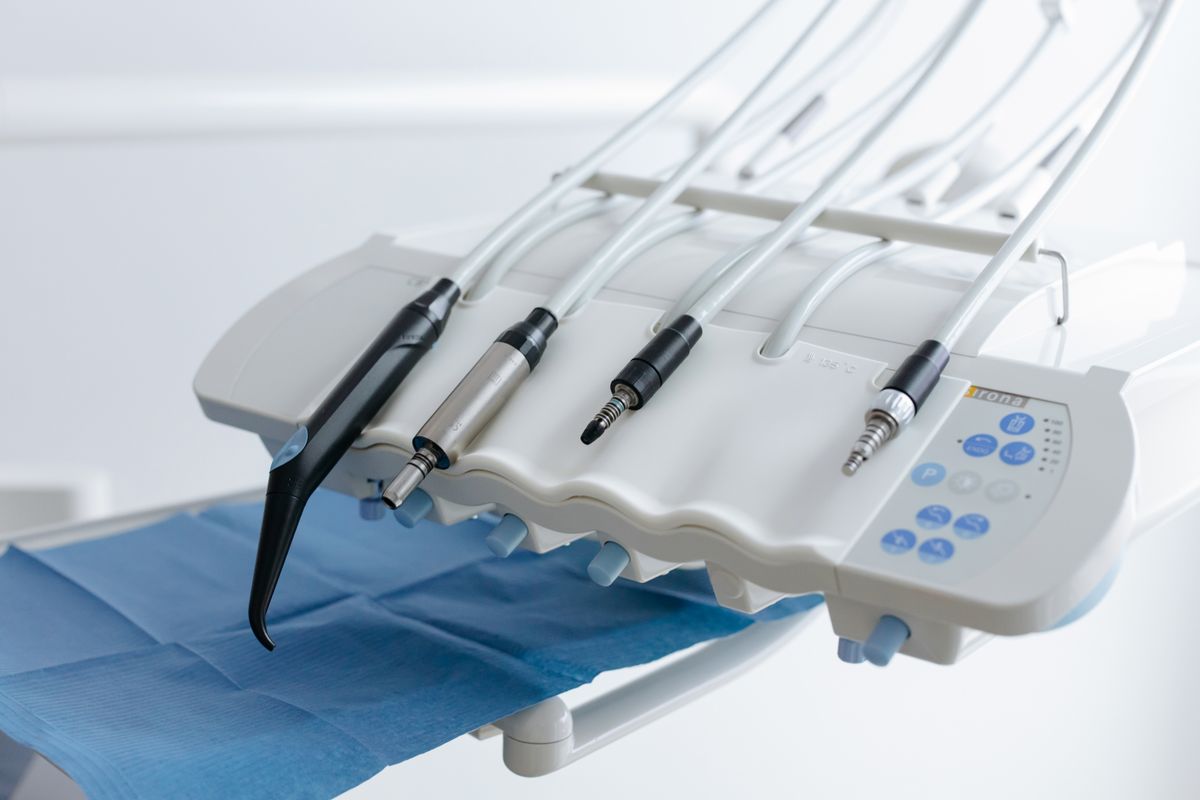
Compare used vs new vet equipment: costs, risks, warranties, and practical steps for new clinic owners in 2026.
Starting a new vet clinic requires significant capital, and equipment is one of the largest expenses. The choice between new and used equipment affects your upfront costs, ongoing maintenance, and patient care quality. This guide breaks down the trade-offs, provides realistic price ranges, and offers actionable steps to make the right decision for your practice.
The Cost Difference: Real Numbers for 2026
New veterinary equipment carries a premium, but used equipment can offer substantial savings. Here are typical price ranges for common clinic equipment, comparing new and used (refurbished or pre-owned) options:
| Equipment | New Price Range | Used Price Range | Typical Savings |
|---|---|---|---|
| Digital radiography system | $40,000-$80,000 | $15,000-$35,000 | 50-60% |
| Ultrasound machine | $20,000-$50,000 | $8,000-$20,000 | 50-60% |
| Anesthesia machine | $8,000-$15,000 | $3,000-$6,000 | 50-60% |
| Hematology analyzer | $15,000-$30,000 | $5,000-$12,000 | 50-60% |
| Dental scaler/polisher | $5,000-$10,000 | $2,000-$4,000 | 50-60% |
| Surgical table | $3,000-$6,000 | $1,000-$2,500 | 50-60% |
These figures are based on 2026 market data from major veterinary suppliers and resellers. Savings are significant, but they come with trade-offs in warranty, lifespan, and technology.
Pros and Cons of New Equipment
New equipment offers several advantages, but it also has drawbacks.
Pros:
- Full manufacturer warranty (usually 1-3 years)
- Latest technology and features
- No hidden wear or damage
- Financing options often available
- Compliance with current safety standards
Cons:
- High upfront cost
- Depreciation: value drops 20-30% in the first year
- May have features you don’t need
- Longer lead times for custom orders
For example, a new digital radiography system might cost $60,000, but it includes a 2-year warranty and the latest imaging software. If you plan to stay in the same location for 10+ years, new equipment can be a sound investment.
Pros and Cons of Used Equipment
Used equipment is attractive for its lower price, but it requires careful evaluation.
Pros:
- Lower upfront cost, freeing capital for other needs
- Immediate availability (no lead time)
- Can get higher-end models for the same budget
- Easier to recoup investment if you sell later
Cons:
- Limited or no warranty (often 30-90 days)
- Higher risk of breakdowns and repair costs
- Outdated technology may lack features
- Hidden wear: may need calibration or parts replacement
- No manufacturer support for older models
For instance, a used ultrasound machine at $15,000 might save you $25,000, but if the probe fails after 6 months, replacement costs $3,000-$5,000. Factor in that risk.
Key Factors to Consider Before Buying
Before deciding, evaluate these factors:
- Clinic volume: High patient volume demands reliable equipment. New equipment minimizes downtime. Low volume might tolerate used equipment.
- Budget constraints: Calculate your total startup budget. If equipment costs exceed 30% of your budget, used options may be necessary.
- Technology needs: Advanced imaging or lab work requires current tech. Basic procedures can use older models.
- Warranty and support: Check if the seller offers any warranty. For used, ask for service history and maintenance records.
- Financing: New equipment often comes with 0% financing for 12-24 months. Used equipment usually requires cash or a higher-interest loan.
- Depreciation: New equipment loses value quickly. Used equipment holds its value better, but may need replacement sooner.
Practical Steps to Decide This Week
- List your essential equipment: Prioritize items that directly affect patient care and revenue. For each, note the minimum specifications you need.
- Get quotes for new equipment: Contact 2-3 suppliers (e.g., Patterson, Henry Schein, or local distributors) for new prices and warranty terms.
- Source used options: Check reputable dealers like Rehabmart, Veterinary Equipment Resale, or local auctions. Ask for photos, service records, and a demo video.
- Compare total cost of ownership: For each option, estimate 5-year costs: purchase price, maintenance, repairs, and lost revenue from downtime. Use a simple spreadsheet.
- Negotiate warranties: For used equipment, ask for a 90-day parts-and-labor warranty. Many resellers offer this for an extra 5-10% of the price.
- Consider leasing: If you need new equipment but lack capital, leasing spreads costs over 3-5 years. Compare lease payments to used purchase costs.
When to Buy New vs Used: A Quick Guide
| Scenario | Recommendation |
|---|---|
| High-volume practice, 24/7 operations | Buy new for critical equipment (anesthesia, radiography) |
| Low-volume, start-up with limited capital | Buy used for non-critical items (dental, surgical tables) |
| Need latest imaging (ultrasound, digital X-ray) | Buy new or certified refurbished with warranty |
| Basic lab work (hematology, chemistry) | Used can be fine if tested and calibrated |
| Equipment used daily, high wear | New is safer to avoid downtime |
| Backup equipment | Used is cost-effective |
FAQ
Q: Is it safe to buy used veterinary equipment? A: Yes, if you buy from reputable resellers who test and calibrate equipment. Always request service records and a demonstration. Avoid private sales without history.
Q: What is the average lifespan of used equipment? A: Depends on type. Digital radiography lasts 7-10 years, ultrasound 5-8 years, anesthesia machines 10+ years. A used unit with 3-5 years of life left can be a good deal.
Q: Can I get financing for used equipment? A: Yes, some lenders offer equipment loans for used items, but interest rates are higher (8-12% vs 0-5% for new). Check with your bank or specialized lenders.
Q: How do I verify the condition of used equipment? A: Ask for a video of the unit in operation, get a third-party inspection (cost $200-$500), and request a 30-day return policy if possible.
The Bottom Line
The decision between used and new equipment depends on your budget, clinic volume, and need for reliability. Used equipment can save you 50-60% upfront, making it a smart choice for low-volume or non-critical items. New equipment offers peace of mind with warranties and latest tech, ideal for high-volume practices or advanced diagnostics. Start by listing your needs, getting quotes, and calculating total cost of ownership. This week, contact at least one supplier for new and one reseller for used, and compare. Your goal is to balance cost with reliability to ensure your clinic runs smoothly from day one.