The Complete Small Animal Practice Startup Checklist
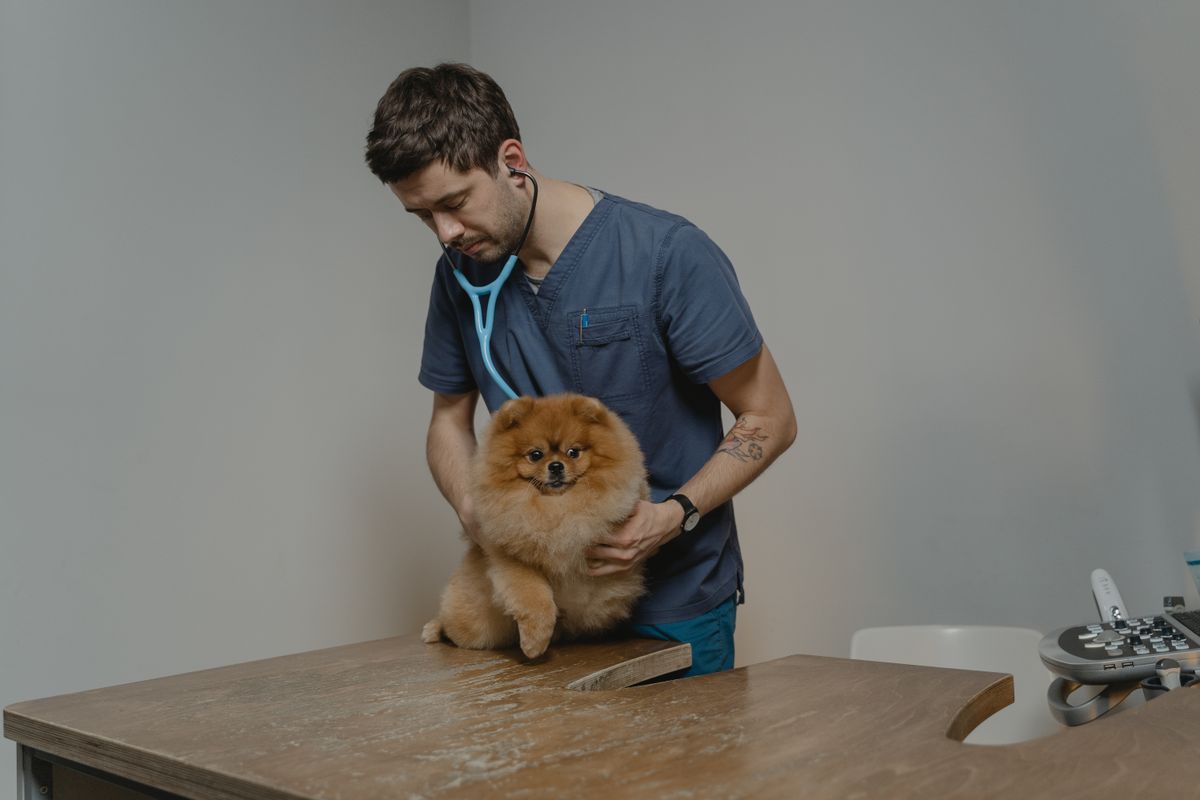
A step-by-step checklist for launching a small animal vet practice, covering legal setup, facility, equipment, staffing, and finances with realistic 2026 costs.
Starting a small animal practice requires juggling clinical skills with business logistics. This checklist walks you through the essential steps, from legal formation to opening day, with current cost ranges and practical actions you can take this week. Follow it in order to avoid costly oversights.
1. Legal and Business Structure
Choose a business entity: LLC, PLLC, or PC. Most veterinarians prefer an LLC or PLLC for liability protection and tax flexibility. Formation costs range from $50 to $500 depending on your state, plus annual fees of $0 to $800.
- Register with your state’s Secretary of State.
- Obtain an Employer Identification Number (EIN) from the IRS (free, online).
- Apply for state and local business licenses (fees vary, often $50 to $400).
- Check zoning laws for your chosen location.
- Purchase professional liability insurance (malpractice) and general liability insurance. Expect $3,000 to $8,000 annually for a small practice.
Action this week: File your formation documents and apply for your EIN. Both can be done online in under an hour.
2. Financial Setup and Tax Obligations
Set up a separate business bank account and accounting system. Use software like QuickBooks or Xero ($30 to $100 per month).
- Open a business checking account (no monthly fee if you maintain a minimum balance).
- Set up a merchant account for credit card payments (2.5% to 3.5% per transaction).
- Register for state sales tax if you sell retail products (e.g., food, medications).
- Understand your payroll tax obligations: withhold federal income tax, Social Security, and Medicare from employee wages. Use a payroll service like Gusto or ADP ($40 to $100 per month plus per-employee fees).
- Plan for quarterly estimated tax payments. As a sole proprietor or LLC owner, you pay taxes quarterly, not annually. Set aside 25% to 30% of your net income for taxes.
Action this week: Open your business bank account and set up your accounting software. Create a separate savings account for tax withholding.
3. Facility and Equipment
Lease or buy a space. Lease costs vary widely by region, but expect $2,000 to $6,000 per month for a 1,500 to 3,000 square foot clinic. Build-out costs (renovations) can run $50,000 to $200,000.
Essential equipment and estimated costs (new or leased):
- Exam tables: $500 to $2,000 each
- Surgical suite (anesthesia machine, monitors, autoclave): $15,000 to $40,000
- Digital radiography system: $30,000 to $80,000
- Ultrasound machine: $10,000 to $30,000
- In-house lab equipment (hematology, chemistry): $10,000 to $25,000
- Dental equipment: $5,000 to $15,000
- Cages and kennels: $3,000 to $10,000
- Computers, software (practice management, imaging): $5,000 to $15,000
Consider leasing equipment to reduce upfront costs. Leases often run $500 to $2,000 per month for major items.
Action this week: Get quotes from at least three equipment vendors. Compare new vs. refurbished options.
4. Staffing and Hiring
You need a mix of licensed and support staff. Typical team for a small practice:
- Veterinarian (you or a partner): salary $80,000 to $120,000 if hiring
- Licensed veterinary technician: $35,000 to $50,000
- Veterinary assistant: $28,000 to $38,000
- Receptionist: $30,000 to $40,000
- Practice manager (optional): $45,000 to $60,000
Factor in payroll taxes (7.65% employer portion) and workers’ compensation insurance (varies by state, often 1% to 3% of payroll).
Action this week: Write job descriptions for your first three hires. Post them on veterinary job boards and local colleges.
5. Licensing and Accreditation
Ensure you and your staff hold current state licenses. Apply for a DEA registration to prescribe controlled substances ($888 for three years).
- State veterinary license: $100 to $500 annually
- DEA registration: $888 per three-year cycle
- Controlled substance registration (state level): $50 to $200 annually
- Consider AAHA accreditation (voluntary but adds credibility). Fees are $500 to $1,500 plus survey costs.
Action this week: Verify your license expiration dates and submit your DEA application if you haven’t already.
6. Inventory and Supplies
Stock essential medications, vaccines, and consumables. Initial inventory costs range from $10,000 to $30,000. Establish relationships with distributors like Covetrus, MWI, or Patterson.
- Vaccines: $5 to $15 per dose
- Heartworm and flea/tick preventives: $10 to $50 per unit
- Anesthetics and emergency drugs: $500 to $1,000 initial stock
- Surgical supplies (sutures, gloves, drapes): $2,000 to $5,000
- Disposables (syringes, needles, bandages): $1,000 to $3,000
Action this week: Contact three distributors for pricing and credit terms. Start with a basic inventory list.
7. Marketing and Client Acquisition
Plan to spend 3% to 5% of your projected revenue on marketing in the first year. For a practice expecting $300,000 in year one, that’s $9,000 to $15,000.
- Website and SEO: $2,000 to $5,000 setup, $100 to $300 per month maintenance
- Google Business Profile: free, but invest in local SEO
- Social media management: $500 to $1,500 per month if outsourced
- Direct mail to new pet owners: $500 to $1,000 per campaign
- Open house event: $500 to $2,000
Action this week: Claim your Google Business Profile and create a simple website with your services and contact info.
8. Insurance and Risk Management
Beyond liability, consider:
- Business interruption insurance: $500 to $1,500 per year
- Cyber liability insurance: $300 to $1,000 per year
- Employment practices liability insurance: $500 to $2,000 per year
- Workers’ compensation: required in most states, cost varies
Bundle policies with one provider for discounts.
Action this week: Get quotes from an insurance broker who specializes in veterinary practices.
9. Pre-Opening Checklist
Two to four weeks before opening:
- Order all equipment and verify installation.
- Stock inventory and set up a controlled substance log.
- Train staff on software and protocols.
- Run a mock appointment day to test workflows.
- Schedule a soft opening with friends and family pets.
- Confirm all licenses and permits are displayed.
FAQ
How much capital do I need to start a small animal practice? Total startup costs typically range from $200,000 to $500,000, including build-out, equipment, inventory, and initial operating expenses. Leasing equipment and space can reduce upfront needs.
Should I form an LLC or a PLLC? An LLC offers liability protection and pass-through taxation. A PLLC is required in some states for professional services. Consult a local attorney or accountant to decide based on your state’s rules.
When do I need to start paying quarterly estimated taxes? You must pay estimated taxes if you expect to owe $1,000 or more in federal tax. For a new business, start making payments in the first year, even if income is low. Use IRS Form 1040-ES.
What are the biggest hidden costs? Common overlooked costs include build-out overruns, software subscription fees, continuing education for staff, and unexpected equipment repairs. Add a 10% contingency to your budget.
Related guides
- The Annual Small Animal Practice Review Checklist
- 7 Questions to Ask Before Buying a Small Animal Practice
The bottom line
Launching a small animal practice is a complex but manageable project if you break it into steps. Focus on legal setup, financial systems, and facility readiness first. Use this checklist as your roadmap, and tackle one item at a time. With careful planning and realistic budgeting, you can open your doors with confidence.