How to Price Your Services as a New Vet Clinic
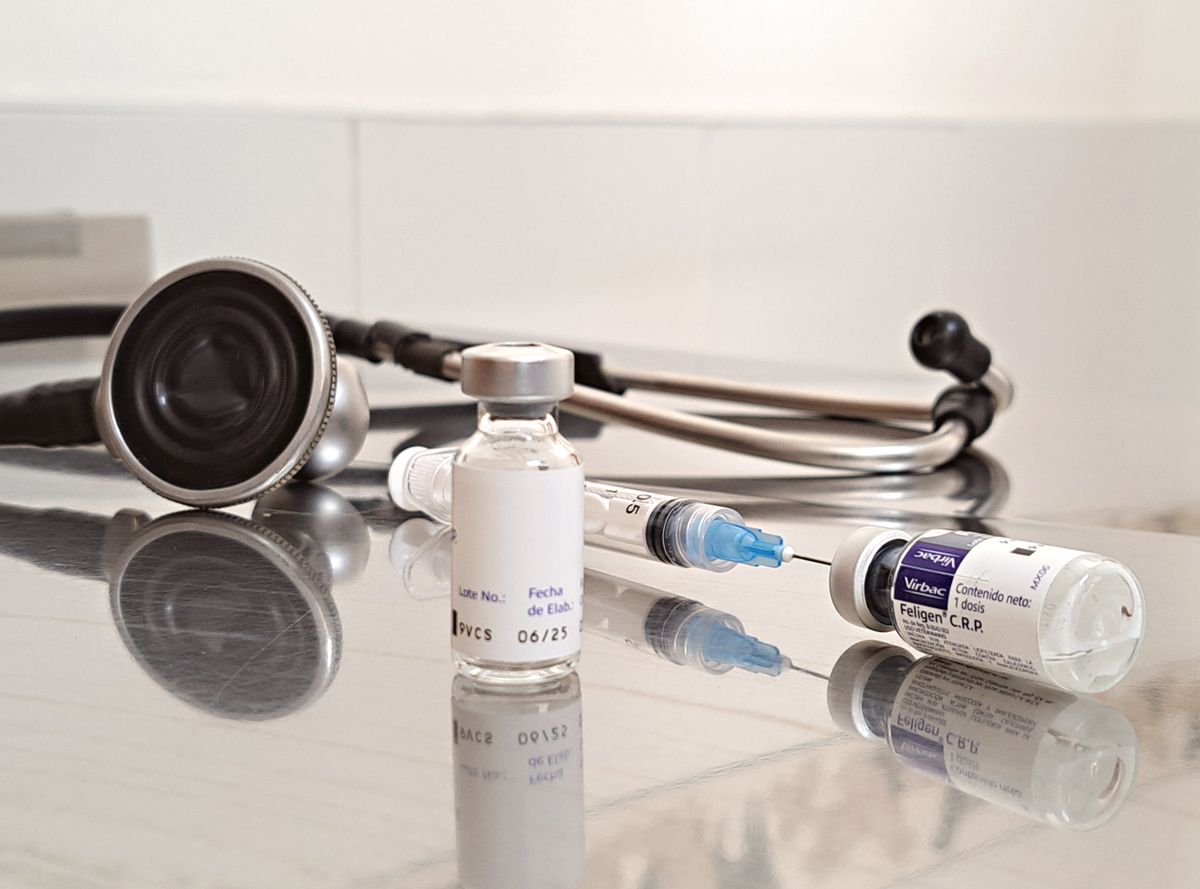
Learn how to set service prices for a new vet clinic with market research, cost analysis, and pricing strategies. Includes real ranges and practical steps.
Pricing your services as a new vet clinic is one of the most critical decisions you’ll make. Set prices too high, and you may scare off price-sensitive pet owners; too low, and you’ll struggle to cover costs and reinvest in equipment. The key is to base your prices on data: your actual costs, local market rates, and the value you provide. This guide walks you through a concrete process to set prices that are competitive, sustainable, and profitable.
Know Your Costs First
Before you can set prices, you need to know exactly what it costs to deliver each service. This includes direct costs (supplies, medications, lab fees) and indirect costs (staff time, equipment depreciation, utilities, rent). A common mistake is to price based on what competitors charge without understanding your own cost structure.
Calculate your cost per service:
- List all consumables used (e.g., vaccines, syringes, suture material).
- Estimate staff time: a vet tech’s time for a typical exam is 15-20 minutes, a vet’s time is 20-30 minutes. Use hourly wages plus benefits.
- Add a portion of overhead: divide total monthly overhead (rent, utilities, admin) by the number of appointments you expect per month.
- Add a contingency for waste and errors, typically 5-10%.
For example, a routine office visit might cost you $25-$35 in direct supplies and staff time, plus $10-$15 in overhead, totaling $35-$50. If you price it at $60, you have a margin of $10-$25.
Research Your Local Market
Your pricing must reflect what pet owners in your area are willing and able to pay. Research 5-10 competing clinics within a 10-mile radius. Call them, check their websites, or use mystery shopping. Note their prices for common services: office visit, vaccination (DHPP, rabies), spay/neuter, dental cleaning, and basic bloodwork.
Typical price ranges (2026, US average):
- Office visit: $50-$75
- DHPP vaccine: $25-$40
- Rabies vaccine: $20-$35
- Spay (dog, 20-40 lbs): $250-$450
- Neuter (dog, 20-40 lbs): $200-$350
- Dental cleaning (without extractions): $300-$600
- Basic bloodwork (CBC/chemistry): $80-$150
These are broad ranges; adjust for your region. Urban areas with higher cost of living may be 20-30% higher, rural areas 10-20% lower.
Choose a Pricing Strategy
There are three common approaches for new clinics. Each has trade-offs.
Cost-plus pricing: Add a standard markup (e.g., 30-50%) to your costs. This ensures you cover expenses and make a profit. It’s simple but doesn’t account for market demand or competition.
Competitive pricing: Set prices at or slightly below the average of your local competitors. This helps attract price-sensitive clients initially. Risk: if your costs are higher, you may lose money.
Value-based pricing: Price based on the perceived value to the client, such as offering extended hours, same-day appointments, or advanced pain management. This allows higher prices if you differentiate. For a new clinic, this can be risky unless you have a strong brand.
For a new clinic, a hybrid approach works best: use cost-plus to ensure a floor, then adjust based on competitive research. Aim to be within 10% of the local average for core services, and consider a few loss leaders (e.g., low-cost office visit) to attract new clients.
Set Your Price List: A Step-by-Step Process
Follow these steps to create your initial price list:
- List all services you plan to offer (exam, vaccines, surgery, dental, diagnostics, etc.).
- Assign a cost to each using the method above.
- Determine your target profit margin (e.g., 35-40% for most services, higher for specialized procedures).
- Compare with local market prices and adjust to stay within a reasonable range.
- Decide on packages or bundles (e.g., puppy package including exams and vaccines) to encourage preventive care.
- Review and update quarterly as costs and market change.
Example price list for a new clinic (mid-range market):
| Service | Cost | Your Price | Market Avg |
|---|---|---|---|
| Office visit | $40 | $65 | $60 |
| DHPP vaccine | $15 | $35 | $30 |
| Rabies vaccine | $12 | $28 | $25 |
| Spay (dog) | $180 | $350 | $400 |
| Dental cleaning | $250 | $450 | $500 |
| Bloodwork (CBC/Chem) | $60 | $120 | $110 |
Note: Your prices are slightly below market for surgery and dental, which can attract clients, but still profitable.
Communicate Value, Not Just Price
When clients ask about prices, explain what’s included. For example, a dental cleaning includes anesthesia monitoring, IV fluids, and pain medication, which justifies a higher price. Train your front desk staff to discuss value: the expertise of your vets, the quality of equipment, and the convenience of your location.
Also, be transparent about costs. Provide written estimates before any procedure, and explain any additional charges that may arise. This builds trust and reduces price complaints.
Adjust and Monitor
After you open, track your financials closely. Monitor the number of new clients, average transaction value, and profit per service. If you’re losing money on certain services, raise prices or reduce costs. If you’re turning away clients due to price, consider temporary promotions or a lower-cost basic package.
Review your prices at least quarterly for the first year. As you build a reputation, you can gradually increase prices toward the higher end of the market range.
FAQ
Q: Should I price lower than competitors to attract clients? A: A slight discount (5-10%) can help initially, but don’t undercut too much. You need to cover costs and build a sustainable business. Instead, offer value-added services like free follow-up calls or a wellness plan.
Q: How do I handle clients who say my prices are too high? A: Explain what’s included and the quality of care. Offer payment plans or a discount for preventive care packages. Never apologize for your prices; instead, reinforce the value.
Q: Should I charge for a no-show? A: Yes, many clinics charge $25-$50 for missed appointments to protect your schedule. Clearly state your policy at booking and in reminders.
Q: How often should I raise prices? A: Annually, to keep up with inflation and cost increases. A 3-5% increase is typical. Communicate increases to clients with advance notice.
The Bottom Line
Pricing for a new vet clinic is a balancing act between covering costs, staying competitive, and building a client base. Start with a cost-plus approach, adjust based on local market research, and be willing to tweak as you learn. Use transparent communication to justify your prices, and monitor your financials to ensure profitability. With careful planning, you can set prices that are fair to clients and sustainable for your practice.