How to Handle Late Payments as a New Vet Clinic
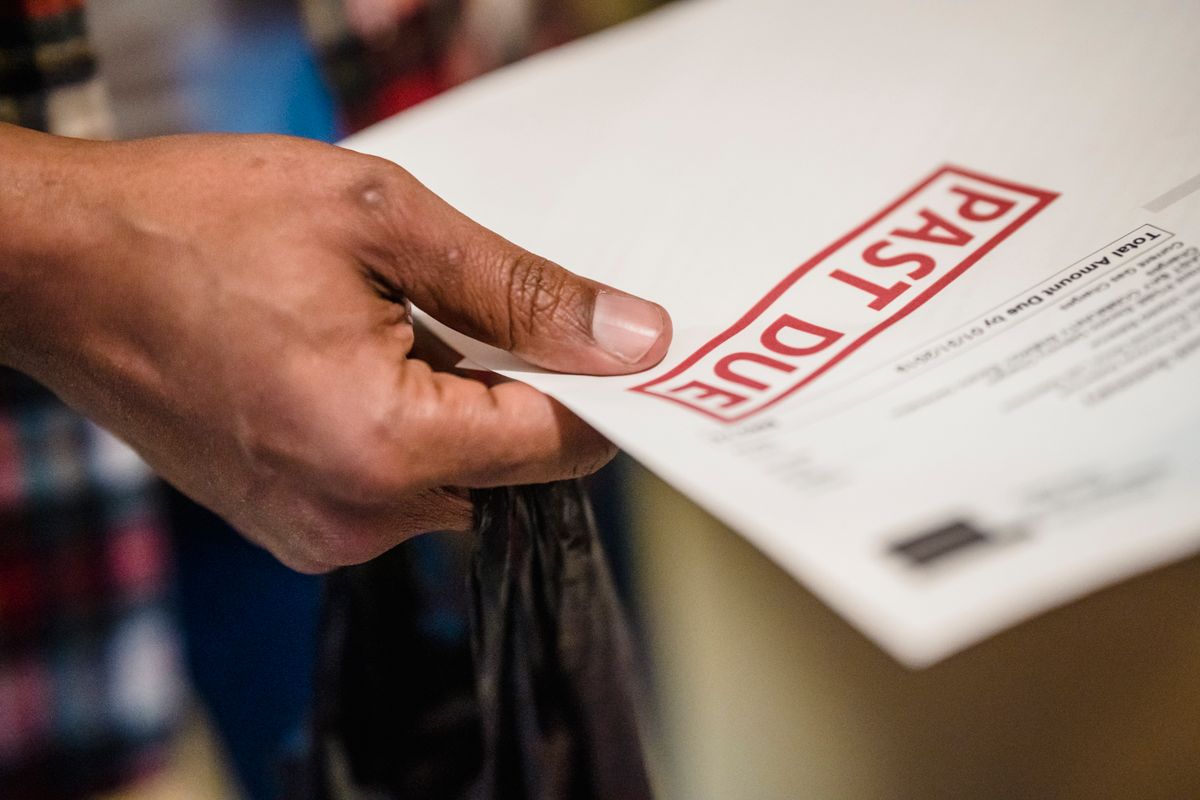
Learn practical steps to manage late payments in your new vet clinic, including setting clear policies, sending reminders, and using collection tools.
Late payments are a reality for any new vet clinic. You provide care, and sometimes clients delay paying. The key is to have a system that minimizes delays without damaging client relationships. This guide gives you concrete steps to handle late payments effectively, from setting clear policies to knowing when to escalate.
Set Clear Payment Policies from Day One
Your first line of defense is a written payment policy. This should be shared with every client before services are rendered, ideally during the initial visit or when booking an appointment. Include:
- Payment due at time of service for most visits.
- Payment plans for large procedures, with a signed agreement.
- Late fees (e.g., $25 or 1.5% per month) and when they apply.
- Accepted payment methods (cards, cash, CareCredit, etc.).
Post the policy in your waiting room and on your website. When clients know the rules upfront, they are more likely to comply.
Send Reminders Before and After the Due Date
Most late payments are not intentional; clients simply forget. Use a multi-step reminder system:
- Before the due date: Send a friendly reminder 24 hours prior. Use text or email, as these have high open rates.
- On the due date: Send a gentle nudge if payment hasn’t been received.
- After 7 days: Send a more formal notice, perhaps via email or letter, stating the overdue amount and any late fees.
Automate this process with your practice management software. Many systems allow you to schedule reminders automatically, saving you time.
Offer Flexible Payment Options
Sometimes clients can’t pay in full. Offering options can prevent late payments and improve cash flow:
- Payment plans: For bills over $300, offer a 3-month plan with a signed agreement and automatic card charges.
- CareCredit or Scratchpay: These third-party financing options allow clients to pay over time, and you get paid upfront. Fees range from 0% to 29.99% APR for clients, but you pay a merchant fee (around 2-5% of the transaction).
- Online payment portals: Make it easy for clients to pay anytime, 24/7. This reduces friction.
Track and Prioritize Overdue Accounts
Create a simple system to track overdue accounts. Use a spreadsheet or your practice software to list:
- Client name and pet name
- Invoice number and amount
- Date of service
- Days overdue
- Contact attempts
Prioritize accounts by amount and age. Focus on larger balances and those over 30 days past due, as they are less likely to be paid without intervention.
Start with a Personal Phone Call
After 14 days, a personal phone call is often more effective than another email. Call the client, ask if there’s an issue, and try to resolve it. Be empathetic but firm. For example: “Hi, I’m calling about the balance of $250 from Fluffy’s visit. Is there a problem, or can we set up a payment plan?”
Keep notes on each call. If the client promises to pay, set a specific date and follow up.
Send a Formal Demand Letter
If phone calls fail, send a formal demand letter via certified mail. This letter should include:
- The invoice amount and date
- A summary of services
- The total due, including any late fees
- A deadline for payment (e.g., 10 days)
- A statement that further collection actions may be taken
Use a professional tone. This letter often prompts payment because it signals seriousness.
Consider a Collection Agency or Small Claims Court
For accounts over 90 days past due, you may need to escalate. Options include:
- Collection agency: They take a percentage of the collected amount, typically 25-50%. They handle all communication and legal steps. This is best for larger balances (over $500).
- Small claims court: You can file a claim for amounts up to $5,000 (varies by state). Filing fees are $30-$100, and you must serve the client. If you win, you can garnish wages or bank accounts, but it takes time.
Weigh the cost against the amount owed. For small balances, it may not be worth it.
Use Technology to Streamline the Process
Your practice management software can automate much of this. Look for features like:
- Automated reminders (text, email)
- Online payment links
- Late fee calculation
- Reporting on overdue accounts
Popular platforms like Avimark, Cornerstone, and IDEXX Neo offer these features. Prices range from $100-$300 per month, depending on the system and number of users.
FAQ
Q: How long should I wait before charging a late fee? A: Typically, charge a late fee after 30 days past due. Some clinics start at 15 days. Make sure your policy is clear and consistent.
Q: Can I refuse service to a client with an outstanding balance? A: Yes, you can require payment of past due balances before providing non-emergency services. For emergencies, you must treat the animal, but you can still bill afterward.
Q: What if the client disputes the charge? A: Listen to their concern, review the invoice, and if it’s a legitimate error, correct it. If not, explain the charges and be firm. Offer a payment plan if needed.
Q: Should I use a collection agency for small balances? A: Usually not. The fees may exceed the balance. Focus on larger accounts or consider writing off small balances as a cost of doing business.
The Bottom Line
Late payments are manageable with a proactive approach. Set clear policies, automate reminders, offer flexible payment options, and escalate systematically. By doing so, you protect your cash flow while maintaining good client relationships. Start implementing these steps this week: review your payment policy, set up automated reminders, and create a tracking spreadsheet. Your clinic’s financial health depends on it.