Compliance Checklist for New Vet Clinics: What You Cannot Skip
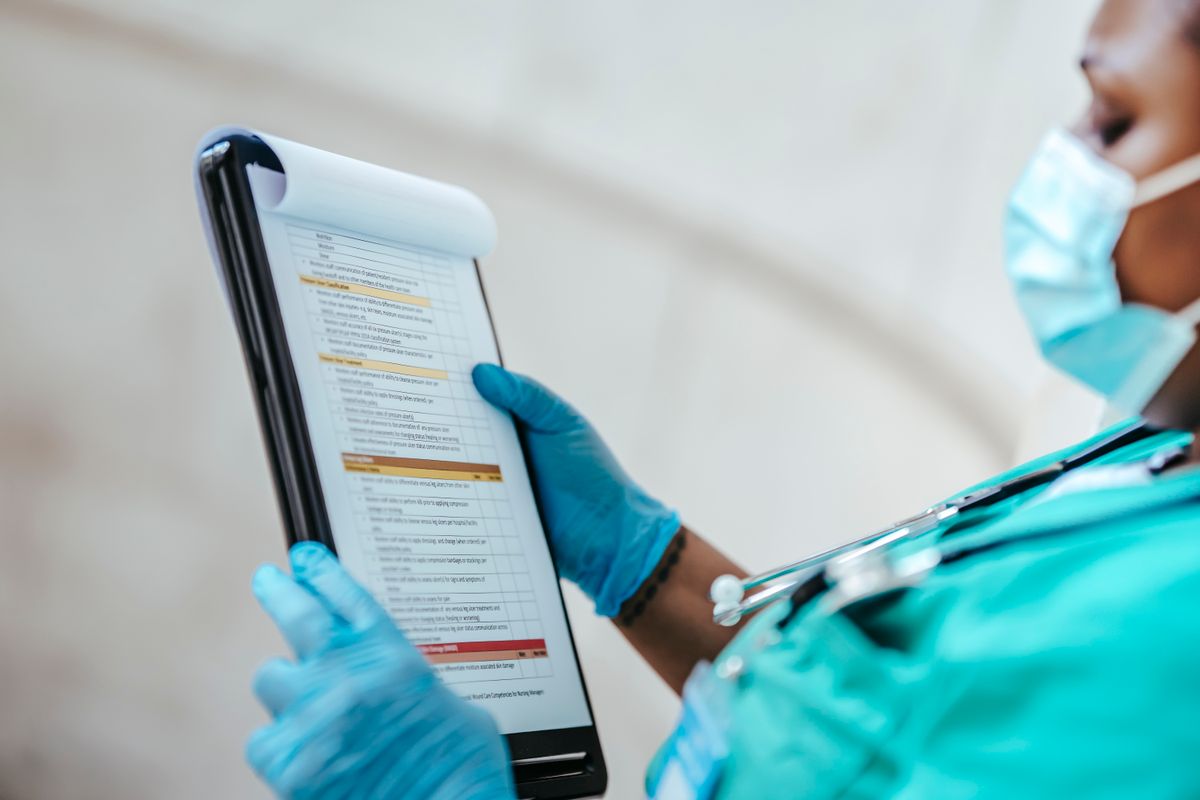
A practical compliance checklist for new vet clinics covering licensing, DEA registration, OSHA, HIPAA, and more. Avoid fines and legal issues.
Starting a vet clinic is exciting, but compliance mistakes can cost you dearly. Fines, lawsuits, or even losing your license can happen if you skip key requirements. This checklist covers the non-negotiable steps you must take before opening your doors. Use it as a roadmap to stay legal and protect your practice.
1. State and Local Licenses
Your first step is to secure all required licenses. These vary by state and locality, but you typically need:
- Veterinary facility license: Most states require a permit to operate a clinic. Fees range from $100 to $500 annually.
- Individual veterinary licenses: Every veterinarian practicing at your clinic must hold a valid state license. Verify renewal dates and keep copies on file.
- Business license: Register your practice with your city or county. Costs range from $50 to $400 per year.
- Controlled substance registration: If you dispense or use controlled drugs (e.g., ketamine, opioids), you need a state controlled substance license. Fees vary, often $50 to $200.
Action step: Contact your state veterinary medical board and local business office to request a list of required licenses. Start this process at least 60 days before opening, as approvals can take weeks.
2. DEA Registration
If you handle controlled substances, you must register with the Drug Enforcement Administration (DEA). This is separate from state registration.
- DEA Form 224: For a clinic, the fee is $888 for a three-year period (as of 2026).
- Renewal: Renew every three years. Late renewal can trigger penalties.
- Security: You must store controlled substances in a locked cabinet or safe. Keep an accurate inventory log.
Action step: Apply for DEA registration online at least 90 days before you need to order controlled drugs. Failure to register can result in fines up to $25,000 per violation.
3. OSHA Compliance
Your clinic must follow Occupational Safety and Health Administration (OSHA) standards to protect employees from hazards like needle sticks, chemicals, and radiation.
- Hazard Communication Program: Maintain a written plan, label all hazardous chemicals, and provide Safety Data Sheets (SDS) for each product.
- Bloodborne Pathogens Standard: Implement an exposure control plan, offer hepatitis B vaccination to staff, and provide personal protective equipment (PPE) like gloves and masks.
- X-ray Safety: If you have radiography equipment, follow OSHA and state radiation safety rules. Provide lead aprons and dosimeters for staff.
- Training: Train all employees on these topics at hire and annually. Document the training.
Action step: Download OSHA’s small business handbook and create your written plans. Schedule a walkthrough with a safety consultant if needed.
4. HIPAA and Client Privacy
Even though vet clinics are not directly covered by HIPAA, many states have privacy laws for client records. Additionally, if you handle human health information (e.g., for employees), HIPAA may apply. Best practice: adopt HIPAA-like standards.
- Privacy Policy: Create a written policy on how you collect, use, and share client information.
- Client Consent: Obtain written consent before sharing records with third parties.
- Secure Records: Store medical records in a locked system, whether paper or electronic. Use password protection and encryption for digital files.
- Breach Notification: Have a plan to notify clients if their data is compromised.
Action step: Draft a privacy policy and train staff on confidentiality. Review your state’s veterinary practice act for specific record-keeping rules.
5. Controlled Drug Logs and Inventory
Beyond DEA registration, you must maintain meticulous records for controlled substances.
- Biennial Inventory: Conduct a physical inventory every two years, as required by DEA.
- Perpetual Log: Keep a running log of each controlled drug received, dispensed, or disposed. Include date, amount, and patient.
- Disposal: Follow DEA rules for disposing of expired or unused controlled substances. Use a registered reverse distributor or a DEA-authorized take-back event.
Action step: Set up a logbook or use practice management software with controlled substance tracking. Assign a staff member to oversee this.
6. Waste Disposal and Environmental Rules
Proper disposal of medical waste is both a legal and ethical requirement.
- Sharps Containers: Use puncture-proof containers for needles and blades. Dispose of them via a licensed medical waste hauler.
- Biohazard Waste: Separate items contaminated with blood or other potentially infectious materials. Contract with a waste disposal service (costs $100-$300 per month depending on volume).
- Pharmaceutical Waste: Do not flush drugs down the drain. Use a licensed pharmaceutical waste disposal service.
Action step: Research waste disposal companies in your area and get quotes. Ensure they provide certificates of destruction.
7. Facility and Equipment Standards
Your physical facility must meet safety and health codes.
- Fire Safety: Install smoke detectors, fire extinguishers, and an evacuation plan. Check local fire codes.
- Ventilation: Ensure proper airflow in surgical and kennel areas to prevent disease spread.
- Anesthesia Monitoring: Have pulse oximeters and capnographs for monitoring patients under anesthesia.
- Emergency Power: Consider a backup generator for critical equipment during outages.
Action step: Schedule a building inspection with your local fire marshal and health department. Fix any violations before opening.
8. Staff Credentials and Training
Your team must be properly credentialed and trained.
- Veterinary Technicians: Verify that technicians have the required state licenses or certifications.
- CPR Certification: Ensure at least one staff member is certified in veterinary CPR.
- Continuing Education: Track CE credits for all licensed staff to maintain their credentials.
Action step: Create a file for each employee with copies of licenses, certifications, and training records.
9. Insurance Coverage
While not a legal requirement, insurance protects you from financial ruin.
- Professional Liability (Malpractice): Covers claims of negligence. Premiums range from $3,000 to $10,000 per year depending on your location and services.
- General Liability: Covers slips, falls, and property damage. Costs $500 to $2,000 per year.
- Workers’ Compensation: Required in most states if you have employees. Rates vary.
Action step: Shop for policies from multiple insurers. Bundle to save up to 15%.
FAQ
Q: Do I need DEA registration if I only use controlled drugs rarely? A: Yes, any handling of controlled substances requires DEA registration, even occasional use. The fee is $888 for three years.
Q: How often must I update my OSHA training? A: OSHA requires training at hire and annually. Some states may have more frequent requirements.
Q: Can I dispose of sharps in regular trash? A: No. Sharps must go in puncture-proof containers and be collected by a licensed medical waste hauler.
Q: What happens if I miss a compliance deadline? A: You may face fines, license suspension, or even criminal charges. For example, DEA violations can result in penalties up to $25,000 per incident.
The Bottom Line
Compliance is not optional. Start with this checklist, but also consult a veterinary attorney or your state board for specific requirements. Allocate time and budget for these steps: licensing fees, DEA registration, OSHA supplies, waste disposal contracts, and insurance. By tackling compliance early, you protect your patients, your staff, and your investment. Revisit this checklist annually to stay current with changing regulations.