The Annual New Plastic Surgery Practice Review Checklist
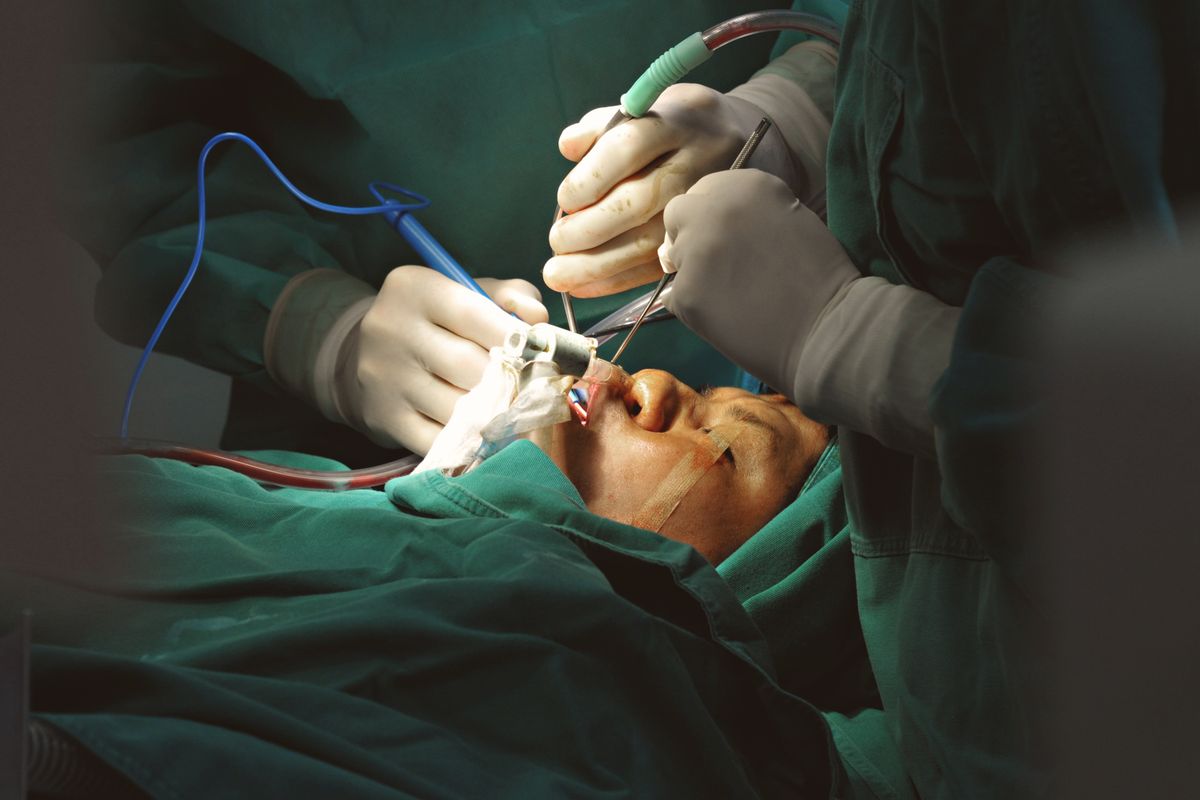
A practical annual tax and financial review checklist for new plastic surgery practices, covering deductions, compliance, and planning steps.
Running a new plastic surgery practice means juggling clinical excellence with business survival. Taxes are a major part of that survival. An annual review, done systematically, helps you catch missed deductions, avoid penalties, and plan for growth. This checklist walks you through the key financial and tax tasks you should complete each year, with realistic figures and concrete steps.
Why an Annual Review Matters
A new practice often loses money in its first year, but that doesn’t mean you can ignore tax filings. The IRS expects estimated quarterly payments if you expect to owe more than $1,000 in tax. Missing those payments triggers penalties, even if you file on time. An annual review ensures you are not overpaying or underpaying, and it positions you to take advantage of deductions specific to medical practices.
1. Reconcile Your Books Monthly, Not Yearly
Before you can review taxes, your books must be accurate. If you are using cash basis accounting, which most small practices do, reconcile your bank and credit card statements monthly. This means matching every transaction in your accounting software (QuickBooks, Xero, or a medical-specific platform like Kareo) to your actual statements.
Action step: Set a recurring calendar reminder for the 5th of each month. Spend 30 minutes reviewing transactions. Flag any uncategorized expenses immediately. This prevents year-end chaos and ensures your profit and loss statement reflects reality.
2. Maximize Retirement Plan Contributions
Retirement contributions are one of the most powerful tax deductions for practice owners. In 2026, the 401(k) employee deferral limit is $23,500, with an additional $7,500 catch-up for those 50 and older. If you have a solo 401(k) or a defined benefit plan, you can contribute even more as the employer.
Action step: If you have not set up a retirement plan, do so before December 31 to reduce this year’s taxable income. If you already have one, confirm your contribution amount with your plan administrator. A solo 401(k) allows you to contribute up to $70,000 in 2026 (including catch-up), depending on your net earnings.
3. Review Your Entity Structure and Election
Your practice’s legal structure affects your tax liability. Most new plastic surgeons choose an S-corporation or LLC taxed as an S-corp. In 2026, the S-corp election allows you to pay yourself a reasonable salary and take the rest as distributions, which are not subject to self-employment tax. However, the IRS scrutinizes unreasonable salaries.
Action step: Review your salary with your accountant. A common benchmark is 60% to 80% of net profit, but this varies by specialty and region. If your salary is too low, you risk penalties. If too high, you overpay payroll taxes. Adjust before year-end.
4. Track and Deduct All Practice Expenses
New practices often miss deductions because they mix personal and business expenses. Common deductible expenses include:
- Medical supplies and equipment (including depreciation on major purchases)
- Malpractice insurance premiums
- Continuing medical education (CME) costs, including travel and lodging
- Professional association dues and licensing fees
- Marketing and website expenses
- Office rent and utilities
- Staff salaries and benefits
- Software subscriptions (EMR, billing, scheduling)
Action step: Create a dedicated business credit card and use it for all practice expenses. At year-end, review each expense category against IRS guidelines. For example, the standard mileage rate for 2026 is 70 cents per mile for business driving. If you use your personal car for practice errands, track those miles.
5. Evaluate Equipment Purchases and Section 179
Plastic surgery practices rely on expensive equipment: lasers, liposuction machines, and imaging systems. Section 179 allows you to deduct the full purchase price of qualifying equipment in the year it is placed in service, up to a limit. In 2026, the Section 179 limit is $1,220,000, with a phase-out threshold of $3,050,000. Bonus depreciation is also available, but it is phasing down.
Action step: Before year-end, list any equipment you plan to buy in the next 12 months. If you need it now, purchasing before December 31 can reduce this year’s tax bill. Work with your accountant to determine whether Section 179 or bonus depreciation is more advantageous.
6. Reconcile Payroll and Independent Contractors
Payroll errors are a common source of IRS penalties. Ensure you are classifying workers correctly. In 2026, the IRS continues to focus on misclassification. If you hire a nurse or front desk staff as an independent contractor, but they work full-time under your control, you face back taxes and penalties.
Action step: Review all 1099 contractors. For each, ask: Do I control how, when, and where they work? If yes, they are likely an employee. Also, verify that your payroll service is withholding the correct federal, state, and local taxes. Double-check your quarterly Form 941 filings.
7. Plan for Quarterly Estimated Taxes
New practices often underestimate their tax liability. In 2026, the federal corporate tax rate is 21% for C-corps, but most small practices are pass-through entities. For S-corps and LLCs, you pay tax at your individual rate, which can be as high as 37% plus the 3.8% Net Investment Income Tax on distributions.
Action step: Calculate your estimated tax payments based on your current year’s income. Use IRS Form 1040-ES. A safe approach is to pay 100% of last year’s tax liability (or 110% if your adjusted gross income was over $150,000). If your income is growing, pay at least 90% of this year’s liability to avoid penalties.
8. Review State and Local Tax Obligations
State taxes vary widely. Some states, like Texas and Florida, have no income tax, but they may have franchise or gross receipts taxes. Others, like California, have high state income tax rates. Additionally, you may owe sales tax on retail items like skincare products sold in your office.
Action step: Check your state’s department of revenue website for your specific obligations. If you sell products, register for a sales tax permit and file returns monthly or quarterly. This is often overlooked and can lead to audits.
9. Consider Hiring a Tax Professional
A new practice can benefit from a CPA who specializes in medical practices. They know the industry-specific deductions and can help you avoid costly mistakes. Fees range from $1,500 to $5,000 for a small practice’s annual tax preparation, depending on complexity.
Action step: If you do not have a CPA, interview at least three candidates. Ask about their experience with plastic surgery practices and their fee structure. A good accountant will save you more than they cost.
10. Create a Tax Calendar for Next Year
Finally, set up a calendar with all important tax deadlines for the upcoming year. This includes:
- January 31: Send W-2s and 1099s
- April 15: Individual tax return and first estimated payment
- June 15: Second estimated payment
- September 15: Third estimated payment
- January 15 (next year): Fourth estimated payment
Action step: Add these dates to your practice management system with reminders two weeks in advance. Missing a deadline can cost you 0.5% of the unpaid tax per month, up to 25%.
FAQ
Q: What is the biggest tax mistake new plastic surgery practices make? A: Not making estimated tax payments. Many new owners assume they will owe nothing because they are not profitable yet, but the IRS requires payments based on your projected income. Even if you lose money, you may still owe self-employment tax.
Q: Can I deduct the cost of my own cosmetic procedures? A: No, personal cosmetic procedures are not deductible, even if they are for marketing purposes. However, if you hire a model and pay for their procedure for promotional content, that may be deductible as a business expense. Consult your CPA.
Q: How long should I keep financial records? A: Keep all tax returns and supporting documents for at least seven years. The IRS can audit you for up to three years, but if you underreport income by more than 25%, it extends to six years. Keep records of equipment purchases for as long as you own the equipment.
Q: Should I incorporate in a different state to save on taxes? A: Only if you actually operate there. Incorporating in a state like Nevada or Delaware without a physical presence will not save you taxes and may create additional filing requirements. Your tax liability is based on where you earn income, not where you incorporate.
The Bottom Line
An annual tax review is not optional for a new plastic surgery practice. It protects you from penalties, uncovers deductions, and sets you up for financial success. Use this checklist as a starting point, but work with a qualified CPA to tailor it to your specific situation. The time you invest now will pay off in peace of mind and retained earnings.