Tax Deductions for New Plastic Surgery Practices You Are Probably Missing
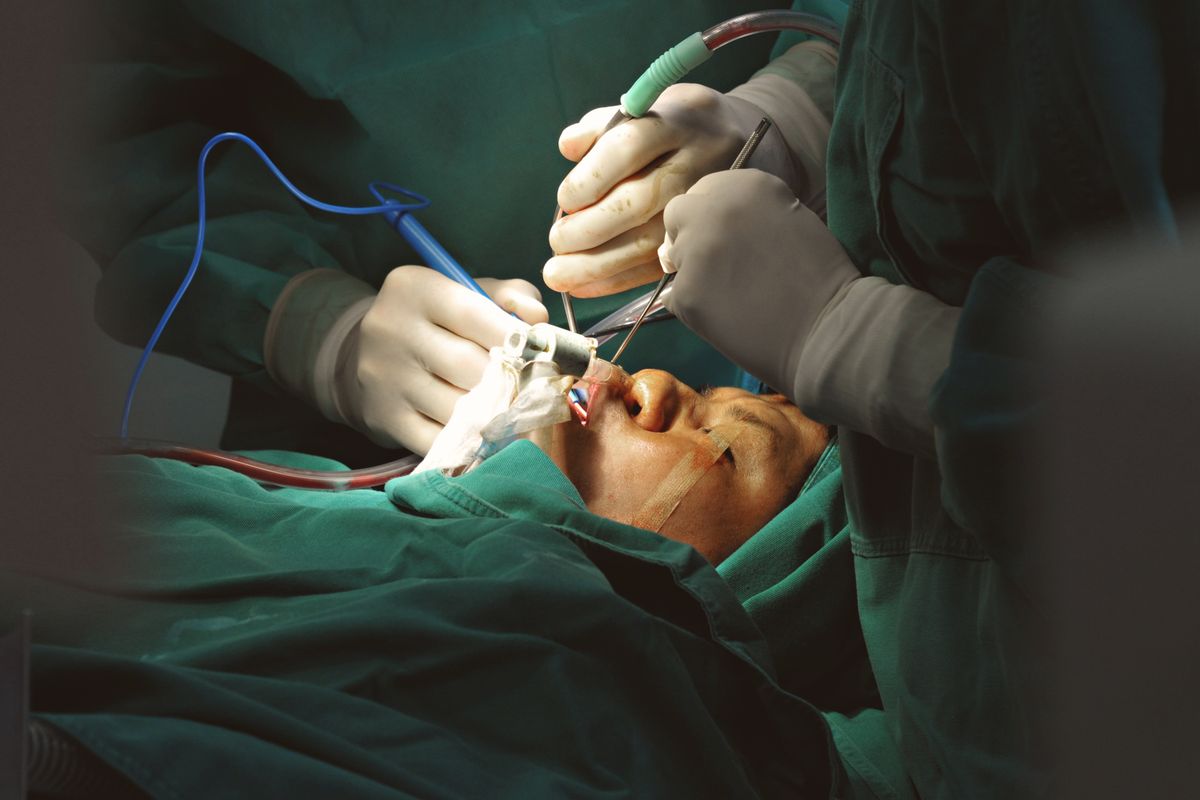
Discover overlooked tax deductions for new plastic surgery practices, from equipment to marketing, with concrete steps to save money this year.
Starting a plastic surgery practice comes with significant upfront costs, and missing out on tax deductions only makes that burden heavier. Many new practice owners focus on obvious expenses like rent and staff salaries, but they overlook deductions that could save thousands of dollars each year. This guide covers the most commonly missed deductions for plastic surgery practices, with realistic figures for 2026 and practical steps you can take this week to reduce your tax bill.
Equipment and Technology Deductions
Plastic surgery practices rely on expensive equipment: lasers, liposuction machines, and imaging systems. The IRS allows you to deduct the full cost of qualifying equipment in the year you place it in service, thanks to Section 179. For 2026, the Section 179 limit is $1,220,000, and the bonus depreciation is 80% for new equipment. This means a $150,000 laser can be fully deducted in the year of purchase, instead of depreciating it over several years.
What you might be missing:
- Software subscriptions: Practice management, EHR, and 3D imaging software are deductible as business expenses. If you pay annually, deduct the full amount in that year.
- Tablets and computers: Used for patient education or charting, these are 100% deductible under Section 179 if used more than 50% for business.
- Furniture and fixtures: Exam tables, waiting room chairs, and reception desks qualify for Section 179 as well.
Action step: Review your 2025 equipment purchases. If you bought any qualifying items and didn’t take the Section 179 deduction, you can file an amended return. For 2026, plan major equipment purchases before December 31 to maximize this year’s deduction.
Marketing and Advertising Expenses
Marketing is a significant cost for new practices, but many owners fail to deduct all related expenses. Beyond traditional ads, consider these often-missed deductions:
- Website development and hosting: The cost of designing your website, domain registration, and monthly hosting fees are deductible. If you pay a developer a one-time fee, deduct it in that year.
- Social media advertising: Boosts and sponsored posts on Instagram and Facebook are fully deductible.
- Patient referral programs: If you offer discounts or gifts to patients who refer others, those costs are deductible as marketing.
- Professional photography: Before and after photos for your website or marketing materials are deductible.
- Reputation management services: Monthly fees for services that monitor reviews are deductible.
What you might be missing: The cost of educational events you host for potential patients, like a seminar on breast augmentation, is deductible. This includes venue rental, catering, and promotional materials.
Action step: Track every marketing expense, no matter how small. Use a separate credit card for marketing to simplify record keeping.
Professional Development and Licensing
Continuing education is essential in plastic surgery, and the costs add up. Deductible items include:
- Conference registration and travel: Airfare, hotel, meals (50% deductible), and registration fees for medical conferences.
- Board certification fees: Costs to maintain your board certification are deductible.
- Medical journals and textbooks: Subscriptions to journals like Plastic and Reconstructive Surgery are deductible.
- Online courses and webinars: Fees for courses on new techniques or practice management.
What you might be missing: If you travel to a conference, you can deduct the full cost of the trip, even if you extend your stay for personal reasons, as long as the primary purpose is business. Keep a detailed itinerary to prove business intent.
Action step: Create a folder for all CME receipts. At the end of the year, tally them up and ensure you claim every dollar.
Office Expenses You Overlook
Rent and utilities are obvious, but these smaller expenses add up:
- Medical supplies: Gauze, sutures, gloves, and other consumables are deductible. Keep a running inventory.
- Cleaning and janitorial services: Fees for medical-grade cleaning are deductible.
- Security systems and monitoring: Monthly fees for alarm systems and security cameras are deductible.
- Office refreshments: Coffee, water, and snacks for patients or staff are deductible as business expenses.
- Parking and tolls: If you travel to a hospital or another clinic for procedures, parking fees and tolls are deductible.
What you might be missing: The cost of scrubs and lab coats, if you pay for them yourself, are deductible as uniforms. Also, the cost of laundering them is deductible.
Action step: Set up a petty cash system for small purchases. Keep receipts in a designated drawer or digital folder.
Insurance Premiums
Malpractice insurance is a major cost, but other insurance premiums are also deductible:
- Malpractice insurance: Fully deductible.
- Business property insurance: Covers equipment and office contents.
- Business interruption insurance: Covers lost income if your practice is forced to close.
- Health insurance for yourself and employees: If you are self-employed, you can deduct health insurance premiums for yourself, your spouse, and dependents, even if you have a separate business structure.
What you might be missing: Disability insurance premiums are deductible if you pay them personally, but if your practice pays them, they are not taxable to you as income, but the benefits are taxable if you ever use them. Consult your accountant for the best approach.
Action step: Review your insurance policies and ensure you are paying premiums from a business account to substantiate the deduction.
Vehicle and Travel Deductions
If you use your vehicle for business, you can deduct either the actual expenses or the standard mileage rate. For 2026, the standard mileage rate is 67 cents per mile. Many plastic surgeons miss this deduction because they don’t track business miles.
What you might be missing: Trips to the bank, office supply store, or to meet with your accountant are all business miles. Also, if you travel to a hospital to perform surgeries, those miles count.
Action step: Use a mileage tracking app like MileIQ or QuickBooks Self-Employed to log every trip. Even if you only drive 5,000 business miles a year, that’s a $3,350 deduction.
Retirement Plan Contributions
Contributions to retirement plans are deductible and reduce your taxable income. For 2026, the 401(k) contribution limit is $23,500, plus a $7,500 catch-up if you’re over 50. If you have employees, you can also deduct employer contributions.
What you might be missing: A solo 401(k) or SEP IRA allows you to contribute up to 25% of your net self-employment income, up to $69,000 for 2026. This is a powerful deduction that also builds your retirement savings.
Action step: Set up a solo 401(k) before December 31 to make contributions for the year. Even if you don’t have the cash flow to max it out, any contribution helps.
FAQ
Can I deduct the cost of my medical license? Yes, the cost of obtaining and renewing your medical license is deductible as a business expense.
What about the cost of my malpractice insurance? Malpractice insurance premiums are fully deductible as a business expense.
Can I deduct the cost of my home office if I do administrative work there? Yes, if you have a dedicated space used regularly and exclusively for business, you can deduct a portion of your home expenses, such as rent, utilities, and internet. Use the simplified method ($5 per square foot, up to 300 square feet) for simplicity.
How long should I keep receipts for deductions? Keep receipts for at least three years from the date you file your return, but for assets like equipment, keep records for as long as you own them plus seven years.
The Bottom Line
New plastic surgery practices leave money on the table every year by missing deductions. The key is to track every expense, no matter how small, and to understand the tax code’s specific provisions for equipment, marketing, and professional development. Start by reviewing your 2025 expenses and implementing a system to capture every receipt in 2026. Consult with a CPA who specializes in medical practices to ensure you’re taking advantage of all deductions. The effort you put in now will pay off at tax time.