Tax Write-Offs for New Fertility Clinics: The Complete List
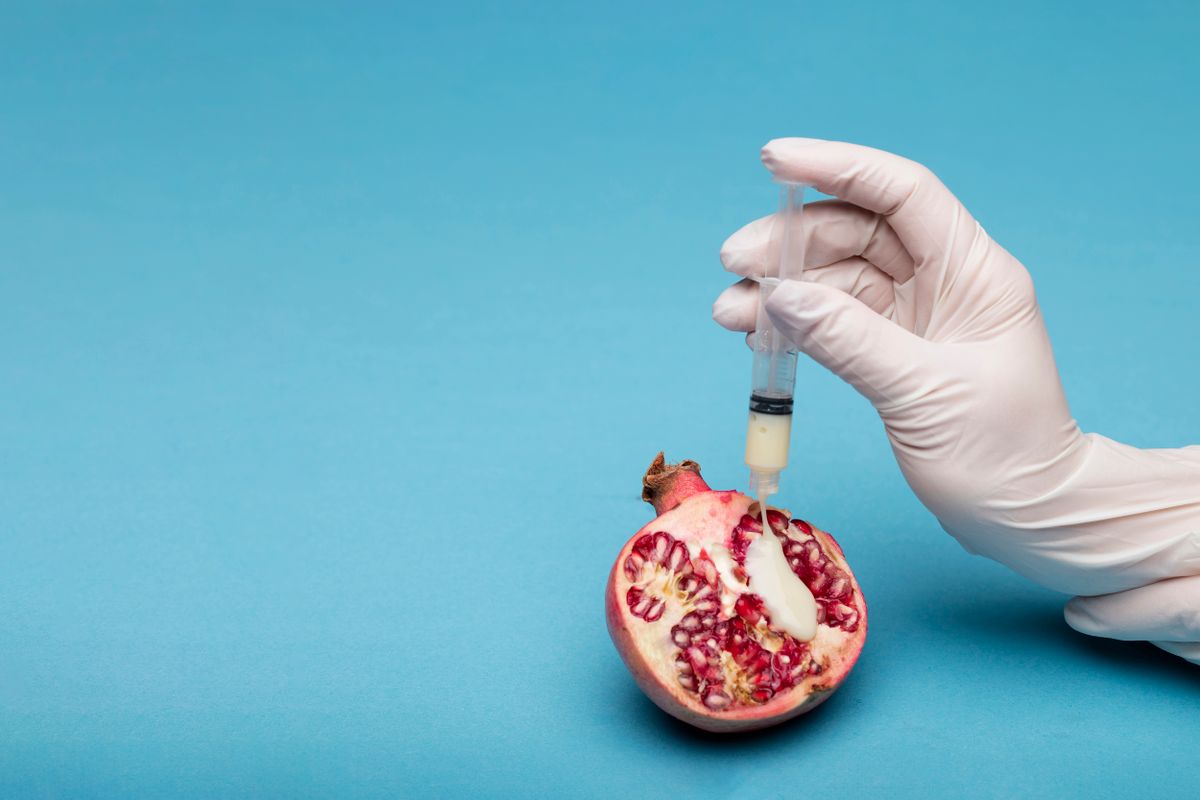
Discover the full list of tax write-offs for new fertility clinics, including equipment, lab costs, staffing, and more. Save money with these deductions.
Starting a fertility clinic involves significant upfront investment, but the IRS allows you to deduct many of those costs to reduce your taxable income. This guide covers the complete list of tax write-offs available to new fertility clinics, from equipment and lab expenses to staffing and marketing. By understanding what you can deduct, you can lower your tax bill and improve cash flow in your first years of operation.
1. Startup Costs
The IRS allows you to deduct up to $5,000 in startup costs in your first year of business, with the remainder amortized over 180 months. Startup costs include market research, advertising before opening, training staff, and legal or accounting fees. If your startup costs exceed $50,000, the $5,000 deduction is reduced dollar-for-dollar. For example, if your startup costs are $55,000, your first-year deduction is $0, and you amortize the full amount. Track all pre-opening expenses, including travel, permits, and initial consultations.
2. Medical Equipment and Lab Supplies
Fertility clinics rely on specialized equipment like ultrasound machines, incubators, and microscopes. Under Section 179, you can deduct the full purchase price of qualifying equipment in the year you place it in service, up to a limit (for 2026, the limit is $1,250,000, with a phase-out threshold of $3,050,000). Bonus depreciation allows an additional 80% deduction on new equipment placed in service in 2026. For example, a new ultrasound machine costing $80,000 can be fully deducted via Section 179, reducing your taxable income by that amount. Lab supplies like petri dishes, culture media, and reagents are fully deductible as ordinary business expenses.
3. Lease and Rent Expenses
If you lease your clinic space, the rent is fully deductible. This includes base rent, common area maintenance (CAM) charges, and property taxes passed through to you. If you purchase a building, you can deduct mortgage interest and depreciation (typically 39 years for commercial property). For example, if your monthly rent is $8,000, that’s $96,000 in annual deductions. Also, if you pay for tenant improvements, you may be able to deduct or amortize those costs depending on the structure.
4. Employee Salaries and Benefits
Salaries, wages, and bonuses for your staff are fully deductible, including medical assistants, embryologists, and administrative personnel. Benefits like health insurance, retirement plan contributions (e.g., 401(k) matching), and paid time off are also deductible. For example, if you employ 10 staff members with an average salary of $60,000, that’s $600,000 in deductible wages. Don’t forget payroll taxes (employer portion) and workers’ compensation insurance.
5. Professional Fees
Legal, accounting, and consulting fees are deductible. This includes fees for setting up your business entity, drafting contracts, and tax preparation. For example, if you pay $10,000 in legal fees for lease negotiation and $5,000 for accounting services, both are deductible. Also, fees for fertility-specific consultants, such as lab directors or compliance experts, are deductible as contract labor.
6. Marketing and Advertising
Marketing costs are fully deductible, including website development, search engine optimization (SEO), pay-per-click ads, social media advertising, and print materials. For example, if you spend $2,000 per month on Google Ads, that’s $24,000 annually. Also, costs for patient education materials, brochures, and open house events are deductible. Track all promotional expenses, including business cards and signage.
7. Insurance Premiums
Professional liability (malpractice) insurance, general liability, property insurance, and cyber liability insurance premiums are all deductible. For a fertility clinic, malpractice insurance can range from $10,000 to $30,000 per year depending on your state and coverage. Also, business interruption insurance and workers’ compensation are deductible. Review your policies to ensure you’re claiming all premiums.
8. Continuing Education and Training
Costs for continuing medical education (CME) courses, conferences, and workshops are deductible, including registration fees, travel, lodging, and meals (subject to 50% limit for meals). For example, attending the ASRM annual meeting might cost $2,000 in registration plus $1,500 in travel, all deductible. Also, in-house training for staff, such as embryology workshops, is deductible.
9. Software and Technology
Fertility clinic software, including electronic health records (EHR), billing systems, and patient portals, are deductible. If you subscribe to a cloud-based EHR, the monthly fee is an operating expense. If you purchase software outright, you can deduct it under Section 179. For example, an EHR subscription at $500 per month is $6,000 annually. Also, computers, tablets, and other hardware are deductible.
10. Utilities and Office Expenses
Utilities like electricity, water, internet, and phone are deductible. Office supplies, including paper, ink, and medical supplies, are also deductible. For example, if your monthly electric bill is $1,200, that’s $14,400 annually. Also, janitorial services and trash removal are deductible.
11. Travel and Vehicle Expenses
If you use a vehicle for business, you can deduct either the standard mileage rate (for 2026, it’s projected at $0.67 per mile) or actual expenses like gas, repairs, and insurance. For example, if you drive 5,000 miles for business, that’s $3,350. Travel for conferences or to visit referral partners is deductible, including airfare, hotels, and 50% of meals.
12. Depreciation on Improvements
If you renovate your clinic space, you can depreciate the costs over time. For example, if you spend $100,000 on leasehold improvements, you can depreciate them over 15 years using MACRS. This gives you a deduction of about $6,667 per year. Some improvements may qualify for bonus depreciation, allowing a larger first-year deduction.
13. Interest on Business Loans
Interest on loans used for business purposes is deductible, including equipment loans, lines of credit, and credit card interest for business purchases. For example, if you borrow $200,000 at 8% interest, that’s $16,000 in annual interest deductions. Ensure you use a separate business credit card to track expenses.
14. Retirement Plan Contributions
Contributions to retirement plans like SEP-IRAs or 401(k)s are deductible. For 2026, the SEP-IRA contribution limit is 25% of compensation, up to $70,000. For example, if you contribute $20,000 to your own SEP-IRA, that’s a deduction. Also, employer matching contributions to staff 401(k)s are deductible.
FAQ
Can I deduct the cost of purchasing an existing fertility clinic?
Yes, but the purchase price is not fully deductible in one year. You must allocate the purchase price to assets (equipment, goodwill, etc.) and depreciate or amortize them over their useful lives. Equipment can be deducted via Section 179, but goodwill is amortized over 15 years.
What is the best way to track my expenses for tax deductions?
Use accounting software like QuickBooks or Xero to track all business expenses. Keep receipts and categorize expenses as they occur. Also, open a separate business bank account and credit card to avoid mixing personal and business expenses.
Are there any tax credits available for fertility clinics?
Yes, there are credits like the Work Opportunity Tax Credit (WOTC) if you hire certain groups, and the Research and Development (R&D) credit if you conduct fertility research. Also, energy efficiency credits for upgrading your facility’s HVAC or lighting.
How long do I need to keep tax records?
The IRS recommends keeping records for at least 3 years from the date you file your return, but for assets like equipment, keep records until the depreciation period ends (e.g., 7 years for equipment). For property, keep records for 7 years after you sell it.
Related guides
- 7 Mistakes New Fertility Clinics Make in Their First Year
- S-Corp vs LLC for New Fertility Clinics: Which Saves More on Taxes?
- Tax Deductions for New Fertility Clinics You Are Probably Missing
The bottom line
New fertility clinics have a wide range of tax write-offs available, from startup costs and equipment to staff salaries and marketing. By claiming these deductions, you can significantly reduce your taxable income and reinvest those savings into your practice. Work with a CPA who understands medical practices to ensure you maximize your deductions and stay compliant. Start tracking every expense from day one, and review your deductions quarterly to catch any missed opportunities. With careful planning, you can turn your startup costs into valuable tax savings.