Why New Dental Practices Run Out of Cash (and How to Prevent It)
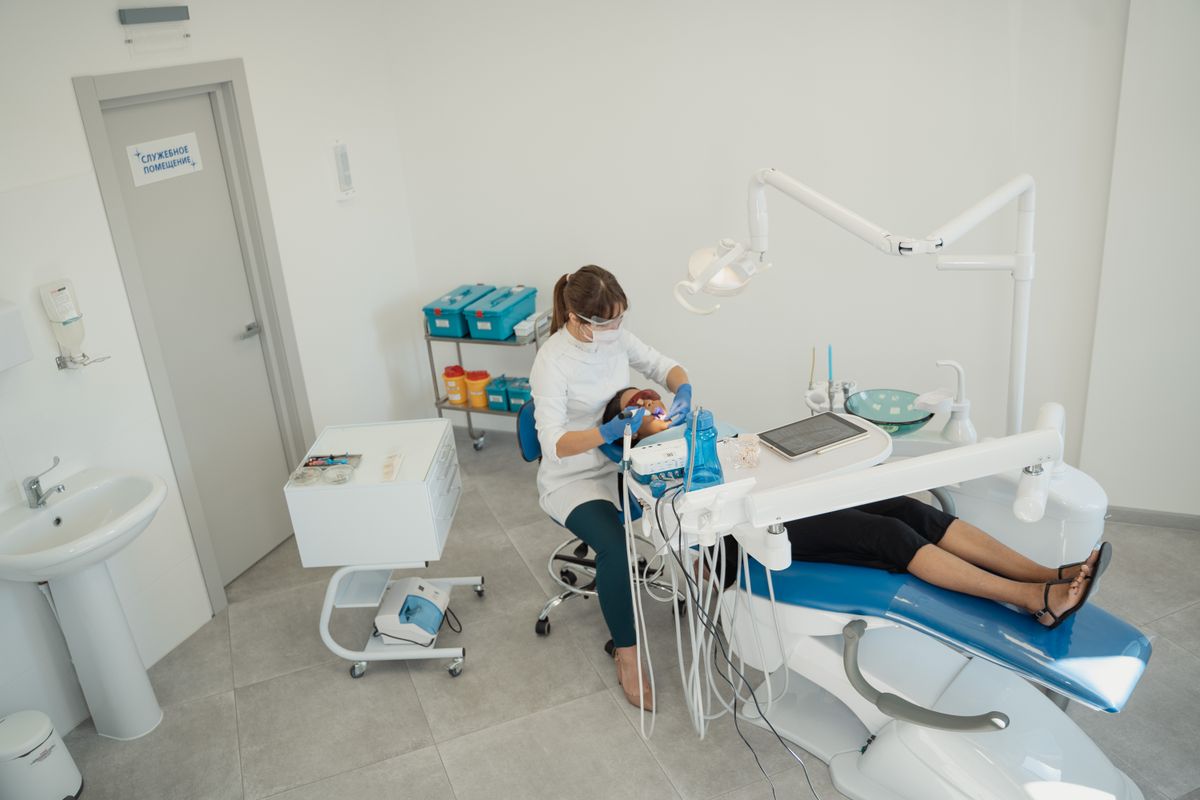
New dental practices often fail due to cash flow issues. Learn the top causes and practical steps to keep your practice solvent from day one.
New dental practices often fail not because they lack patients, but because they run out of cash. The gap between paying for equipment, staff, and supplies, and receiving insurance reimbursements or patient payments, can be fatal. In fact, a 2025 ADA survey found that 38% of new practices close within the first five years, with cash flow problems cited as a primary factor. This guide explains why cash runs out and gives you concrete steps to prevent it, starting this week.
The Top 5 Reasons New Dental Practices Run Out of Cash
1. Underestimating Startup Costs
Most new owners budget for equipment and build-out but forget the softer costs: licensing, legal fees, initial marketing, and the 3 to 6 months of operating expenses before revenue stabilizes. A typical single-chair practice in a suburban area needs $250,000 to $500,000 in startup capital, but many start with $150,000 or less. That shortfall forces them into debt or delays payments to suppliers.
Prevention: Create a detailed 12-month cash flow projection before you open. List every expense, from rent to gloves, and add a 20% buffer. If you can’t cover 6 months of fixed costs without revenue, you’re undercapitalized. Consider a smaller space or phased equipment purchases.
2. Slow Insurance Reimbursements
Insurance companies take 30 to 60 days to pay claims, sometimes longer. Meanwhile, you’ve already paid for the supplies and staff time. If you rely on insurance for 60% of your revenue, a 45-day delay can create a $30,000 to $50,000 hole in a practice doing $100,000 in monthly collections.
Prevention: Submit claims electronically within 24 hours of the visit. Use a clearinghouse that flags errors before submission. Track your accounts receivable (AR) aging weekly; if claims are over 30 days, call the payer. Consider offering a small discount (e.g., 5%) for patients who pay at time of service, reducing the insurance load.
3. Overstaffing Too Early
New owners often hire a full team (front desk, hygienist, assistant) before patient volume justifies it. A full-time hygienist costs $70,000 to $90,000 per year plus benefits, and if you only have 10 hygiene patients a day, you’re losing money. Similarly, a front desk person at $18 to $22 per hour adds $40,000 to $50,000 annually.
Prevention: Start with a lean team: one dentist, one assistant (who can double as front desk), and a part-time hygienist. Add staff only when you have consistent bookings. For example, hire a hygienist when you have 12 or more hygiene slots filled per day for two consecutive weeks.
4. High Fixed Overhead
Rent, equipment leases, and software subscriptions are fixed costs that don’t vary with patient volume. A typical new practice has overhead of 60% to 70% of revenue, but many new owners hit 80% because they sign a 5-year lease for a 2,000 sq ft office when they only need 1,200 sq ft. Equipment leases can run $2,000 to $4,000 per month for a digital X-ray system and chairs.
Prevention: Negotiate a shorter lease (3 years with an option to renew) or sublease space from an existing practice. Buy used or refurbished equipment for the first year. Review every subscription: practice management software ($200-$500/month), patient communication tools ($100-$300/month), and marketing platforms ($200-$1,000/month). Cancel anything you don’t use weekly.
5. Inconsistent Marketing and Patient Flow
New practices often see a burst of patients from opening promotions, then a lull. Without a steady stream of new patients, cash flow drops. The average new practice needs 20 to 30 new patients per month to break even, but many only get 10 to 15 after the first month.
Prevention: Build a marketing plan that runs for at least 6 months. Allocate $1,000 to $2,000 per month for local SEO, Google Ads, and social media. Track your cost per new patient: if you spend $1,500 and get 15 new patients, that’s $100 per patient. If your average patient value is $800 over a year, that’s a good return. Also, implement a recall system to bring existing patients back every 6 months.
How to Prevent Cash Flow Shortfalls: Actionable Steps
Step 1: Build a 13-Week Cash Flow Forecast
List all expected cash inflows (patient payments, insurance reimbursements) and outflows (rent, payroll, supplies) for the next 13 weeks. Update it weekly. This helps you see a shortfall coming 2 to 3 weeks in advance, giving you time to cut costs or arrange a line of credit.
Step 2: Establish a Line of Credit Before You Need It
Talk to a bank or credit union about a $50,000 to $100,000 line of credit secured by your equipment or receivables. Set it up before you open, even if you don’t use it. Interest rates for small business lines are typically 7% to 10% in 2026. Having this safety net means you won’t miss payroll or delay supply orders.
Step 3: Negotiate Payment Terms with Suppliers
Ask your dental supply distributor for net 60 or net 90 terms instead of net 30. Most will agree if you have a good credit history. This gives you 60 to 90 days to collect from patients before you pay for materials. For large purchases like implants, ask for consignment or payment on delivery.
Step 4: Implement Same-Day Payments
Encourage patients to pay their copays and deductibles at the time of service. Train your front desk to ask for payment before the appointment ends. Offer multiple payment options: credit cards, debit, and digital wallets. For larger treatments, offer financing through CareCredit or similar, which pays you upfront (minus a fee of 3% to 5%).
Step 5: Monitor Key Metrics Weekly
Track these numbers every week:
- Days in AR: Average time to collect from insurance. Target under 30 days.
- Collection rate: Percentage of billed charges you actually collect. Target 95% or higher.
- Overhead percentage: Total expenses divided by revenue. Target under 70%.
- New patient count: How many new patients you saw this week. Target 5 to 7 per week for a new practice.
If any metric is off, investigate immediately. For example, if collection rate drops to 90%, check for claim errors or unpaid patient balances.
FAQ
How much cash should I have in reserve before opening a dental practice?
You should have enough to cover 6 months of operating expenses, which is typically $100,000 to $200,000 for a single-chair practice, depending on your fixed costs. This covers slow start-up and delayed insurance payments.
What is the biggest mistake new practice owners make with cash flow?
Underestimating the time it takes to get paid. Many owners expect to collect 100% of revenue in 30 days, but insurance can take 60 days or more. This mismatch between expenses and income is the primary cause of cash shortfalls.
Should I use a factoring service for insurance claims?
Factoring services advance you a percentage of your claims (usually 80% to 90%) for a fee of 2% to 5%. They can help in a pinch, but they reduce your profit. Use them only if you have a short-term emergency, not as a regular practice.
How can I reduce overhead without hurting patient care?
Review your software subscriptions and cancel unused features. Negotiate with suppliers for bulk discounts. Consider outsourcing billing to a service that charges 3% to 5% of collections, which can be cheaper than a full-time biller. Also, schedule staff efficiently: have your hygienist work 4 days a week instead of 5 if you don’t have full schedules.
The Bottom Line
Cash flow problems are predictable, not inevitable. By understanding the five main causes: undercapitalization, slow insurance payments, overstaffing, high fixed costs, and inconsistent patient flow, you can take proactive steps. Build a 13-week forecast, secure a line of credit, negotiate terms, and monitor your metrics weekly. These actions won’t guarantee success, but they will prevent the most common reason new practices fail: running out of cash before they become profitable.