The Solo Dentist Practice Tax Calendar: Every Deadline You Cannot Miss
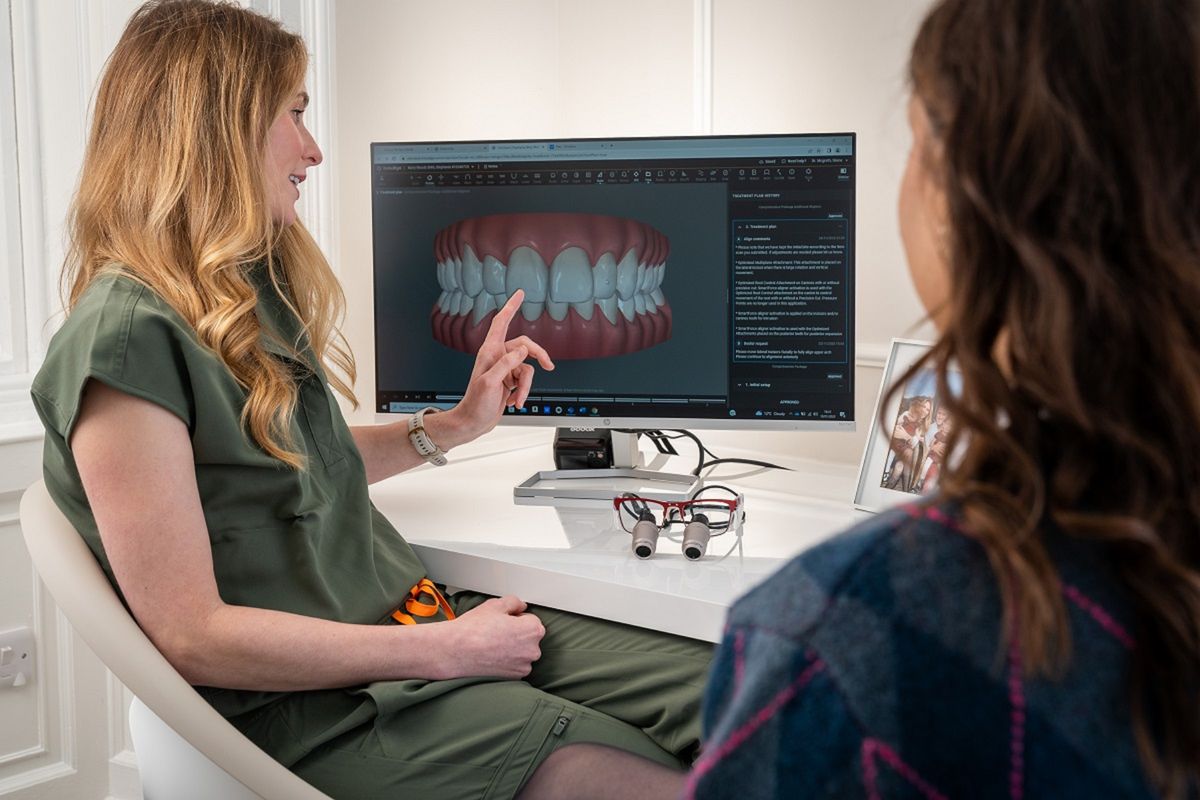
A complete 2026 tax deadline calendar for solo dentists, covering quarterly estimates, payroll, and year-end filings, with practical steps to stay compliant.
Running a solo dental practice means you are the CEO, the clinician, and the CFO. Missing a tax deadline can trigger penalties that eat into your hard-earned revenue. This guide lays out every critical tax date for 2026, so you can plan ahead and avoid costly surprises. We cover federal deadlines, but always confirm state-specific dates with your accountant.
Why a Tax Calendar Matters for Solo Dentists
The IRS treats your practice as a business entity, which means you have multiple filing obligations beyond your personal return. If you are a sole proprietor, you report practice income on Schedule C, but you also pay self-employment tax and make quarterly estimated payments. If you incorporated as an S-corp or LLC, you have additional payroll tax deadlines. Missing any of these can result in penalties ranging from 0.5% to 5% of the unpaid tax, plus interest. A simple calendar keeps you ahead of the curve.
Key Deadlines for 2026: A Month-by-Month Breakdown
January 2026
- January 15: Q4 2025 estimated tax payment due (for sole proprietors, S-corp shareholders, and LLC members). This covers income from October to December 2025.
- January 31: Send W-2 forms to employees and 1099-NEC forms to independent contractors. Also file these with the Social Security Administration (SSA) and IRS, respectively.
- January 31: File Form 940 (FUTA) for 2025 if you owe more than $500.
February 2026
- February 17: File Form 1099-MISC for rent or other payments (if applicable).
- February 28: File paper copies of 1099-NEC and 1099-MISC with the IRS (if you did not e-file).
March 2026
- March 16: S-corporation tax return (Form 1120-S) due. If you are an S-corp, this is a firm deadline. Extend to September 15 if needed, but pay any tax due now.
- March 16: Partnership return (Form 1065) due for multi-member LLCs.
April 2026
- April 15: Individual tax return (Form 1040) due. Also pay any remaining 2025 tax.
- April 15: Q1 2026 estimated tax payment due (for income earned January to March).
- April 15: Deadline to contribute to a SEP IRA or solo 401(k) for 2025 (if you filed an extension).
June 2026
- June 15: Q2 2026 estimated tax payment due. Also the deadline for U.S. citizens living abroad to file Form 1040.
September 2026
- September 15: Q3 2026 estimated tax payment due.
- September 15: Extended deadline for S-corp and partnership returns (if you filed Form 7004 in March).
October 2026
- October 15: Extended deadline for individual tax returns (Form 1040) if you filed for an extension in April.
December 2026
- December 31: Last day to make deductible business purchases for 2026, such as equipment or supplies. Also the deadline to set up a retirement plan for the year (e.g., solo 401(k) if you want to make employee deferrals).
Quarterly Estimated Tax Payments: The Solo Dentist’s Biggest Trap
Most solo dentists are sole proprietors or single-member LLCs, so you must pay estimated taxes quarterly. The IRS expects you to pay at least 90% of your current year’s tax liability, or 100% of last year’s liability (110% if your adjusted gross income exceeds $150,000). Underpayment penalties are calculated on a per-quarter basis, so missing one payment can trigger a penalty even if you pay later.
How to calculate your estimated payments:
- Estimate your annual net profit (revenue minus expenses).
- Multiply by the self-employment tax rate (15.3% on the first $168,600 of net earnings in 2026, plus 2.9% Medicare on earnings above that).
- Add your income tax bracket rate (e.g., 22% or 24%).
- Divide by 4 to get your quarterly payment.
For example, if your net profit is $150,000, your combined tax rate might be around 35%, so you would pay roughly $13,125 per quarter. Use IRS Form 1040-ES or the IRS Direct Pay system to make payments online.
Payroll Tax Deadlines for S-Corp Owners
If you elected S-corp status, you must pay yourself a reasonable salary and run payroll. This creates monthly or semi-weekly payroll tax deposits, depending on your total tax liability. For 2026, the thresholds are:
- Monthly deposit: If your accumulated payroll tax liability is less than $50,000, you deposit by the 15th of the following month.
- Semi-weekly deposit: If your liability is $50,000 or more, you deposit on the Wednesday or Friday after payday.
You also must file Form 941 quarterly (April 30, July 31, October 31, January 31) and Form 940 annually (January 31). Missing payroll deposits can result in a 10% penalty, plus interest.
State and Local Tax Deadlines: Don’t Forget These
State income tax deadlines often mirror federal dates, but not always. For example, California requires estimated payments in June and January, while Texas has no income tax but imposes a franchise tax. Check with your state’s revenue department for specific dates. Also, if you have a physical practice, you may owe property tax on your office, which is typically due in two installments (e.g., April and December).
How to Build Your Own Tax Calendar (Step-by-Step)
- List all federal deadlines from this article in a spreadsheet.
- Add state deadlines from your state’s tax agency website.
- Set reminders 10 days before each date, using your practice management software or a simple Google Calendar.
- Create a folder for each quarter, and file all receipts and bank statements monthly.
- Review your estimated payments after each quarter: if your income changes, adjust the next payment to avoid underpayment penalties.
Common Mistakes to Avoid
- Mixing personal and business expenses: This makes tax prep harder and can trigger audits.
- Forgetting to file Form 1099-NEC: If you pay contractors over $600, you must file. Penalties start at $50 per form.
- Ignoring payroll tax deposits: Even if you are the only employee, you must run payroll and pay employment taxes.
- Missing the SEP IRA deadline: You can contribute to a SEP until your tax filing deadline, but a solo 401(k) requires you to set it up by December 31.
FAQ
Q: What happens if I miss a quarterly estimated tax payment? A: The IRS charges a penalty based on the underpayment amount and the number of days late. The penalty is roughly 5% of the unpaid tax per month, capped at 25%. You can reduce it by filing Form 2210 and showing that your income was uneven.
Q: Can I file my taxes once a year instead of quarterly? A: Yes, if you owe less than $1,000 in tax after withholding and credits, you can skip estimated payments. But for most solo dentists, your tax bill is far higher, so quarterly payments are mandatory to avoid penalties.
Q: Do I need to pay estimated taxes if I have an S-corp? A: Yes. As an S-corp shareholder, you pay income tax on your share of profits, and you must make estimated payments unless you have enough withholding from your salary. Your accountant can help you set the right amount.
Q: What is the best way to pay estimated taxes? A: Use IRS Direct Pay or the Electronic Federal Tax Payment System (EFTPS). Both are free and give you a confirmation number. Avoid mailing checks, as they can be delayed.
The Bottom Line
A tax calendar is not optional for a solo dentist. It is your financial safety net. Mark the four quarterly payment dates, the January 31 information return deadline, and your annual filing date. Use accounting software like QuickBooks or Xero to track income and expenses in real time, and set aside 30% to 35% of every deposit into a separate tax savings account. With a clear calendar and a disciplined routine, you can avoid penalties and keep more of what you earn. When in doubt, consult a CPA who specializes in dental practices; the cost, typically $1,500 to $3,000 per year, is worth the peace of mind.