Solo Dentist Practice Buyer's Guide: What to Look For
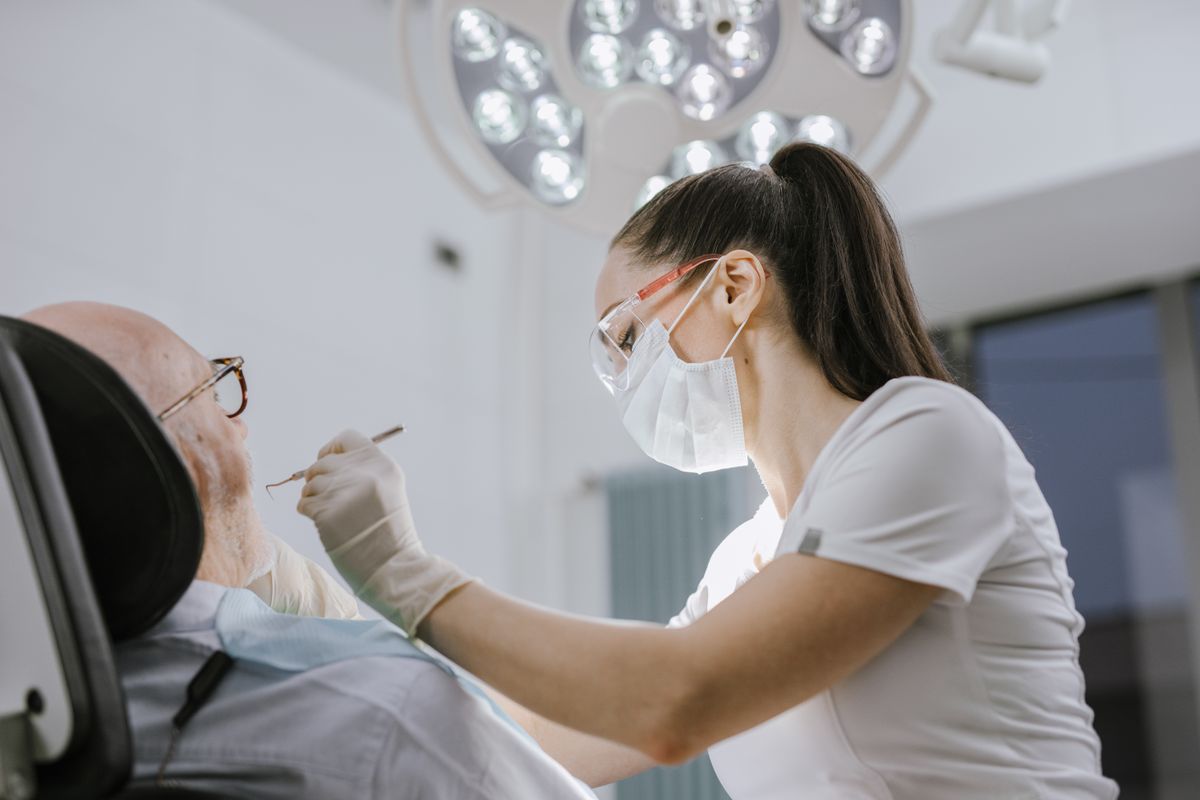
A practical guide for solo dentists buying a practice: key financial, legal, and operational factors, with a comparison of acquisition options and costs.
Buying a dental practice is a major financial decision, and for solo dentists, the stakes are even higher. This guide walks you through the critical areas to evaluate before you sign, from patient charts to equipment leases, and compares the main ways to structure your purchase. You will leave with a clear checklist and realistic cost expectations for 2026.
Financial Health: Beyond the Sticker Price
The asking price is only the start. You need to understand the practice’s true profitability and sustainability. Look at at least three years of tax returns, profit and loss statements, and balance sheets. Key metrics to review:
- Collections vs. production: The practice should collect at least 97% of what it produces. Lower numbers indicate insurance or patient payment issues.
- Overhead ratio: A healthy solo practice runs 60% to 70% overhead. Anything above 75% means the owner is likely taking home less than average.
- Patient visit trends: Are new patient numbers growing, flat, or declining? Ask for a breakdown by month for the last 24 months.
- Payer mix: What percentage is PPO, HMO, fee-for-service, or cash? Heavy HMO reliance can cap your revenue potential.
Action this week: Request a summary of the last 12 months of production and collections by procedure code. Compare it to regional averages from the ADA Health Policy Institute.
Patient Base and Charts
The practice’s value is tied to its active patients. You want to know how many are truly active (seen in the last 18 months) versus just on the books. Also, review the age of the charts: a high number of inactive patients may mean the practice has not been marketing effectively.
- Active patients: A solo practice typically has 800 to 1,500 active patients. Fewer than 500 may make it hard to generate adequate cash flow.
- Recall system: Is there a systematic recall process? If not, you will need to invest in one immediately.
- Chart quality: Are treatment plans documented? Are x-rays current? Poor records can lead to legal and continuity issues.
Action this week: Ask for a sample of 20 patient charts (de-identified) to assess completeness and treatment planning quality.
Equipment and Facility Condition
Dental equipment is expensive to replace. A thorough inspection is non-negotiable. Hire an independent dental equipment appraiser (cost: $500 to $1,500) to assess the condition of chairs, units, compressors, and digital imaging systems.
- Age of equipment: Most dental equipment has a useful life of 10 to 15 years. If the operatory equipment is older than that, budget for replacements.
- Digital vs. film: Digital radiography is standard. If the practice still uses film, factor in conversion costs of $10,000 to $20,000 per operatory.
- Facility lease: Check the remaining lease term and whether it is assignable. If the lease is up in two years, you may face a rent increase or relocation.
Action this week: Schedule a walkthrough with an appraiser and request maintenance records for the last three years.
Legal and Regulatory Compliance
You are buying the practice’s liabilities, not just its assets. Have a dental attorney (cost: $300 to $500 per hour) review all contracts, including patient agreements, vendor contracts, and any pending litigation.
- HIPAA compliance: Ensure the practice has current policies, training logs, and business associate agreements.
- OSHA and infection control: Check for an updated exposure control plan and sterilization logs.
- Licensing and permits: Verify all licenses are current, including the dentist’s, hygienists’, and the facility’s.
Action this week: Obtain a copy of the practice’s most recent OSHA and HIPAA audit, if available. If not, plan for a compliance audit post-purchase.
Staff Retention and Transition
Your staff can make or break the transition. Existing patients expect familiar faces. Meet the team before you commit, and understand their compensation and benefits.
- Key employees: Identify the office manager and lead hygienist. Their retention is critical.
- Employment contracts: Are there non-compete or non-solicit agreements? You may need to renegotiate.
- Payroll costs: Review the payroll summary for the last 12 months to see if staff are overpaid or underpaid relative to market.
Action this week: Ask for a staff list with roles, tenure, and salary ranges. Plan to offer retention bonuses (e.g., $1,000 to $2,500 per key employee) to ensure a smooth transition.
Valuation and Deal Structure Options
You have several ways to buy a practice. Each has different costs and risks. The table below compares the most common options for solo dentists in 2026.
| Option | Description | Typical Cost Range | Pros | Cons |
|---|---|---|---|---|
| Bank loan (SBA 7(a)) | Government-backed loan for practice purchase | 10% to 20% down; interest rates 8% to 11% APR | Lower down payment, long terms (10 years) | Requires strong credit, collateral, and paperwork |
| Seller financing | Seller lends you part of the purchase price | 10% to 30% of price; interest 4% to 8% | Flexible terms, less bank scrutiny | Seller may retain a security interest; possible conflict |
| Associate-to-owner transition | Work as an associate for 1-2 years, then buy | No upfront cost; purchase price set later | Allows you to learn the practice, reduces risk | You may not get the practice if you leave |
| Dental service organization (DSO) partnership | Sell a majority stake to a DSO, stay as a partner | You receive cash and equity; value depends on EBITDA | Immediate liquidity, management support | You lose full control, may have to follow DSO protocols |
| Cash purchase | Pay the full price upfront | Full price, typically $300,000 to $800,000 for a solo practice | No debt, full control | Ties up your capital, high risk if practice fails |
Action this week: Meet with a dental CPA and a commercial lender to get pre-qualified for an SBA loan. Ask for a term sheet to compare with seller financing.
Tax Implications and Structuring
How you structure the purchase affects your taxes for years. A dental CPA (cost: $2,000 to $5,000 for a purchase analysis) can help you allocate the purchase price between assets (equipment, goodwill, patient lists) and covenants not to compete. Each has different depreciation and amortization schedules.
- Asset purchase: You buy specific assets, which you can depreciate. Goodwill is amortized over 15 years. This is the most common structure for solo practices.
- Stock purchase: You buy the legal entity, which may carry hidden liabilities. Rarely recommended for solo practices.
- Section 179 deduction: In 2026, you can deduct up to $1,160,000 of qualifying equipment purchases in the first year, subject to limits. This can significantly reduce your taxable income.
Action this week: Ask your CPA to run a depreciation schedule for a sample asset allocation to see the tax savings.
FAQ
Q: How much should I budget for due diligence? A: Plan for $5,000 to $15,000, including appraisals, legal review, and accounting analysis. This is a small price compared to the total purchase.
Q: What is a fair price for a solo dental practice? A: Typically 60% to 80% of annual collections, or 1.5 to 2.5 times EBITDA. For a practice collecting $600,000, expect a price of $360,000 to $480,000.
Q: Can I negotiate the price? A: Yes, especially if you find issues during due diligence, such as outdated equipment or a declining patient base. Use those findings to justify a lower offer.
Q: How long does the purchase process take? A: From initial offer to closing, expect 3 to 6 months. SBA loans can add 1 to 2 months to that timeline.
The Bottom Line
Buying a solo dental practice is a complex transaction, but with a disciplined approach you can minimize risk. Focus on the financials, patient base, equipment, legal compliance, and staff. Use the comparison table to choose a deal structure that fits your capital and risk tolerance. Work with a dental CPA, attorney, and appraiser to protect your investment. Start your due diligence this week by requesting the key documents and scheduling an equipment appraisal. The time you invest upfront will pay off in a smoother transition and a profitable practice.