Local SEO for New Dental Practices: A Beginner's Guide
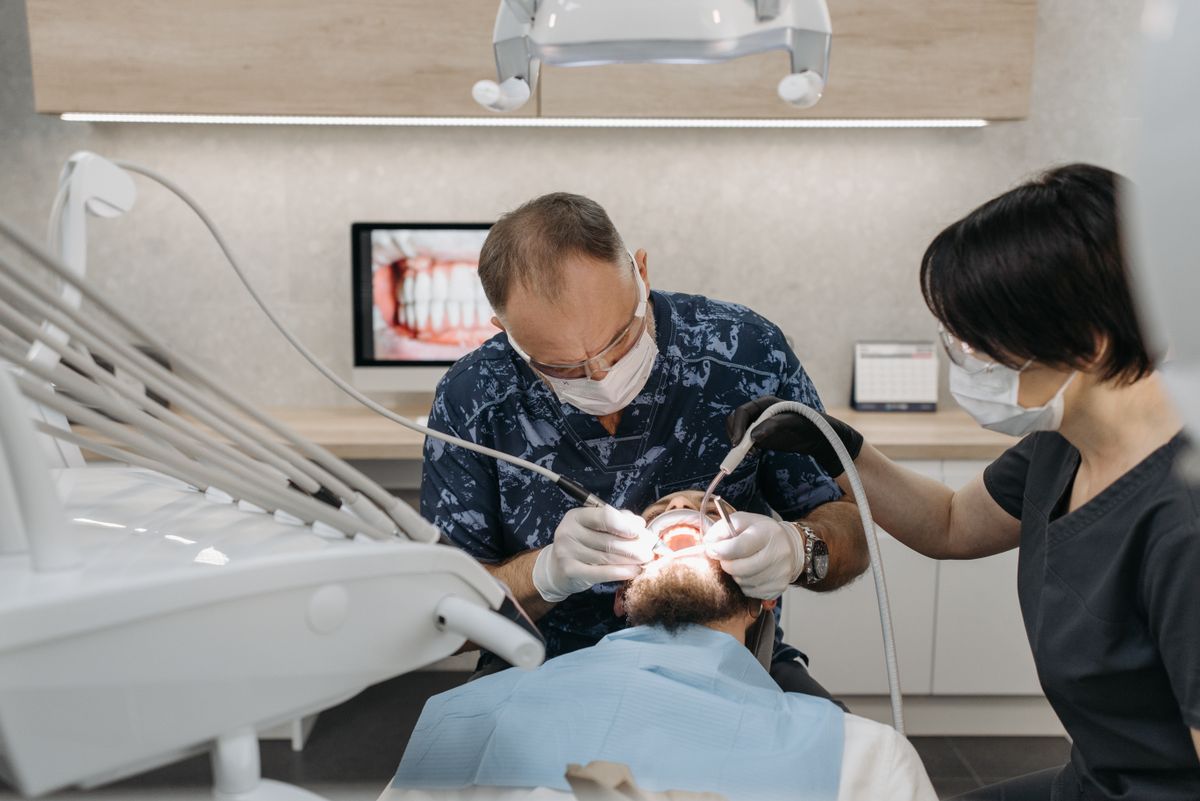
Learn the essential local SEO steps for new dental practices, from Google Business Profile to reviews, with realistic costs and timelines.
If you are opening a new dental practice, local SEO is the most cost-effective way to attract patients in your area. It helps you show up when people search for “dentist near me” or “dentist in [your city].” This guide covers the essential steps, from setting up your Google Business Profile to building local citations, with realistic costs and timelines.
Why Local SEO Matters for a New Dental Practice
Local SEO focuses on optimizing your online presence to rank in local search results. For a new practice, it is critical because it targets patients who are actively looking for a dentist. According to a 2025 survey, 77% of patients use search engines to find a new dentist, and 88% of those patients call or visit within 24 hours. Without local SEO, you are invisible to these potential patients.
Step 1: Claim and Optimize Your Google Business Profile
Your Google Business Profile (GBP) is the most important local SEO asset. It is the listing that appears in Google Maps and the local pack (the top 3 results with a map). Here is how to set it up correctly:
- Claim your profile: Go to google.com/business and enter your practice name, address, and phone number. If you have not claimed it yet, do this first.
- Fill out every field: Include your category (e.g., “Dentist”), hours, services, and photos. Practices with complete profiles get 5.5 times more clicks and 2.7 times more calls.
- Add a description: Write 750 characters that include your location and services. For example, “Family dentist in Austin, TX offering general, cosmetic, and emergency dentistry.”
- Choose the right categories: Select “Dentist” as your primary category, and add secondary categories like “Cosmetic Dentist” or “Emergency Dental Service” if applicable.
- Verify your listing: Google will send a postcard with a verification code to your practice address. This can take 5-14 days, so start early.
Cost: Free. Time: 2-3 hours to set up, plus ongoing maintenance.
Step 2: Build Local Citations and NAP Consistency
Citations are mentions of your practice’s name, address, and phone number (NAP) on other websites. Consistent NAP across the web signals trust to Google. Start with these high-authority sites:
- Yelp: Create a free business page. Yelp is a major ranking factor for local SEO.
- Facebook: Set up a business page with your NAP and a link to your website.
- Healthgrades: Claim your profile. Many patients use this site to research dentists.
- Zocdoc: If you accept new patients, list your practice here. It costs $50-$100 per month for leads, but it is optional.
- Local directories: Check if your city or county has a business directory. For example, the Austin Chamber of Commerce lists members.
Cost: Free for most citations. Time: 5-10 hours to set up.
Step 3: Generate Positive Reviews
Reviews are a direct ranking factor and influence patient decisions. 91% of patients read reviews before choosing a dentist. Here is how to build a review strategy:
- Ask every patient: After a successful visit, send a follow-up email or text with a direct link to your Google review page. Make it easy.
- Respond to all reviews: Thank positive reviewers and address negative ones professionally. This shows you care and can improve your reputation.
- Aim for a steady flow: Google rewards consistency. Try to get 5-10 new reviews per month. Do not buy fake reviews; Google can penalize you.
Cost: Free, but consider a review management tool like Podium or Birdeye, which cost $200-$400 per month.
Step 4: Optimize Your Website for Local Keywords
Your website should target local search terms. Here is what to do:
- Include location in title tags and meta descriptions: For example, “Family Dentist in Austin, TX | Smile Dental” as your homepage title.
- Create location-specific pages: If you serve multiple neighborhoods, create a page for each. For example, “Dentist in Downtown Austin” and “Dentist in North Austin.”
- Add a Google Map embed: Put a map on your contact page. It helps with local relevance.
- Ensure mobile-friendliness: 60% of local searches happen on mobile. Use Google’s Mobile-Friendly Test to check.
- Speed matters: Pages that load in under 3 seconds have higher rankings. Use tools like PageSpeed Insights to optimize.
Cost: If you hire a professional, expect $500-$2,000 for a basic local SEO website optimization. DIY is possible if you use a platform like WordPress.
Step 5: Create Local Content
Content that mentions your city and addresses local concerns can boost your rankings. Here are ideas:
- Write blog posts like “5 Tips for Choosing a Dentist in [City]” or “What to Expect at Your First Visit in [City].”
- Create a page about your team with local ties, such as “Dr. Smith grew up in [City] and attended [University].”
- Publish patient success stories with photos (with consent).
Cost: Time only if you write it yourself. If you hire a writer, $50-$150 per post.
Step 6: Use Local SEO Tools and Track Progress
To measure your efforts, use these tools:
| Tool | Purpose | Price Range |
|---|---|---|
| Google Business Profile Insights | Track calls, direction requests, and clicks | Free |
| Google Search Console | Monitor your website’s presence in search results | Free |
| Moz Local | Manage citations and local listings | $99-$179/month |
| BrightLocal | Track local rankings and audit citations | $29-$99/month |
| SEMrush | Comprehensive SEO tool with local features | $119-$449/month |
Start with the free tools. As you grow, consider paid options.
Common Mistakes to Avoid
- Using a PO Box for your address: Google requires a physical location. Do not use a virtual office.
- Inconsistent NAP: Ensure your name, address, and phone number are identical everywhere. Even minor differences (e.g., “St.” vs “Street”) can hurt.
- Ignoring negative reviews: Respond to them. A thoughtful response can turn a bad review into a positive impression.
- Not updating hours: Especially during holidays. Incorrect hours frustrate patients and hurt your reputation.
FAQ
How long does local SEO take to show results? Typically, you can see improvements in 3-6 months. New practices may take longer because you have no authority yet. Consistency is key.
Do I need to hire an agency for local SEO? Not necessarily. You can do the basics yourself in a few weeks. If you lack time, an agency can cost $500-$2,000 per month, but you can start with DIY.
How many reviews do I need to rank? There is no magic number, but having at least 20-30 reviews with a 4.5+ star rating can put you ahead of competitors with fewer reviews.
Can I do local SEO without a website? You can, but it is not recommended. Your website is a trust signal and a place to convert visitors into patients. Even a simple one-page site helps.
The Bottom Line
Local SEO is not a one-time task. It requires ongoing effort, but the payoff is significant: a steady stream of new patients without paying for ads. Start with your Google Business Profile, build citations, and ask for reviews. Within six months, you should see your practice appearing in local searches. If you need help, invest in tools or an agency, but do not wait. The sooner you start, the sooner you rank.