How to Start a New Dental Practice: The Complete Step-by-Step Guide
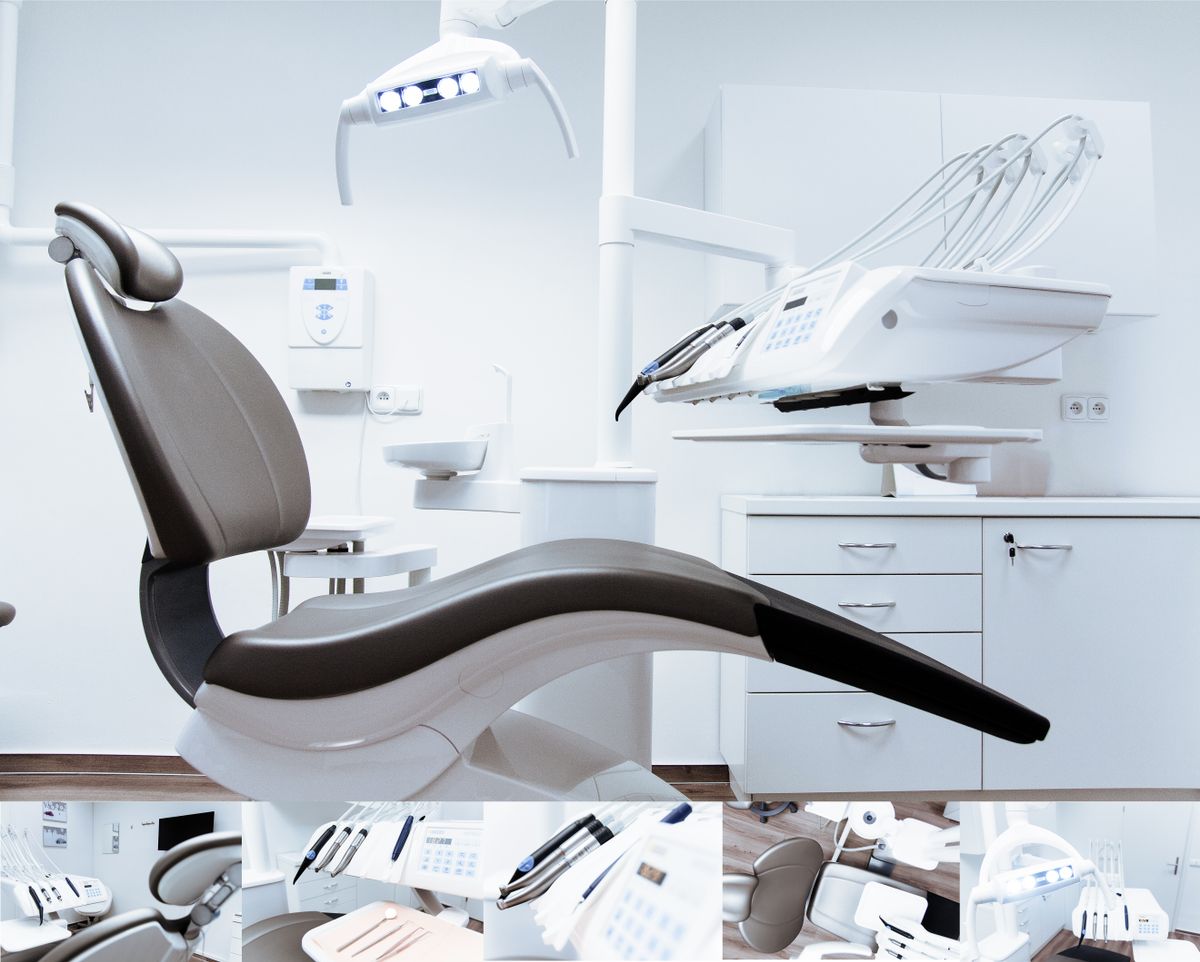
A practical guide to starting a dental practice in 2026: costs, steps, financing, location, equipment, staffing, and marketing. Real numbers and actionable advice.
Starting a new dental practice is a major undertaking, but with careful planning, it is achievable. This guide walks you through the essential steps, from initial planning to opening day, with realistic cost figures and practical advice. Expect to invest $250,000 to $500,000 in startup costs, and plan for a 6 to 12 month timeline from concept to opening.
Step 1: Create a Business Plan
Your business plan is your roadmap. It should include:
- Executive summary: Your mission and vision.
- Market analysis: Demographics, competitors, and demand in your target area.
- Services offered: General dentistry, cosmetic, orthodontics, etc.
- Financial projections: Startup costs, revenue forecasts, break-even analysis.
- Marketing plan: How you’ll attract patients.
Use this plan to secure financing. Lenders expect a detailed plan with realistic numbers.
Step 2: Secure Financing
You’ll need capital for equipment, leasehold improvements, and operating expenses. Options include:
- SBA 7(a) loan: Up to $5 million, with favorable terms. Requires a solid credit score and collateral.
- Traditional bank loan: Interest rates vary, typically 6% to 9% for small business loans.
- Dental practice loans: Specialized lenders like Bank of America or Live Oak Bank offer terms tailored to dental practices.
- Equipment leasing: Finance equipment separately, often with $0 down.
- Personal savings or investors: Reduces debt but increases personal risk.
Cost range: Startup costs typically run $250,000 to $500,000, depending on location and size. Expect to put down 20% to 30% of the total as a down payment.
Step 3: Choose a Location
Location is critical. Consider:
- Demographics: Population density, age, income levels. Aim for an area with a growing population and a shortage of dentists.
- Visibility and accessibility: Ground floor, easy parking, near public transit.
- Lease terms: Negotiate a lease with options for renewal. Expect to pay $25 to $50 per square foot annually in suburban areas, more in urban centers.
- Space requirements: 1,200 to 2,000 square feet for a typical practice with 3 to 5 operatories.
Tip: Hire a real estate agent familiar with medical/dental leases.
Step 4: Purchase Equipment and Supplies
Equipping a dental office is a major expense. Here’s a breakdown:
| Item | Cost Range |
|---|---|
| Dental chairs (per operatory) | $15,000 - $30,000 |
| X-ray equipment (digital) | $20,000 - $40,000 |
| Sterilization equipment | $10,000 - $20,000 |
| Computers and software (PMS) | $10,000 - $20,000 |
| Office furniture | $5,000 - $15,000 |
| Initial supplies | $5,000 - $10,000 |
Total: Expect $100,000 to $200,000 for equipment and supplies. Consider buying used or refurbished equipment to save 30% to 50%.
Step 5: Obtain Licenses and Insurance
You’ll need:
- Dental license: Valid in your state.
- DEA registration (if prescribing controlled substances): $888 for three years.
- State and local business licenses: Varies by state, often $100 to $500.
- Malpractice insurance: $5,000 to $10,000 per year for new dentists.
- General liability insurance: $1,000 to $3,000 per year.
- Workers’ compensation (if you have employees): Varies by state.
Tip: Contact your state dental board for specific requirements.
Step 6: Set Up Your Practice Management System
Choose a dental software (PMS) to manage appointments, billing, and patient records. Popular options include:
- Dentrix: $500 to $1,000 per month (per provider).
- Eaglesoft: $400 to $800 per month.
- Open Dental: $300 to $600 per month.
- Curve Dental (cloud-based): $400 to $700 per month.
Cost: Budget $5,000 to $12,000 per year for software and IT support.
Step 7: Hire Staff
You’ll need a team, even at the start. Key roles:
- Dental assistant: $18 to $25 per hour.
- Front desk/receptionist: $16 to $20 per hour.
- Hygienist (if you offer hygiene): $40 to $60 per hour.
Tip: Start with a small team (2 to 3 staff) and expand as patient volume grows. Consider hiring a part-time bookkeeper or use an accountant.
Step 8: Market Your Practice
Before opening, build awareness:
- Website: $2,000 to $5,000 for a professional site.
- SEO: $500 to $1,500 per month for ongoing optimization.
- Google Ads: $1,000 to $3,000 per month, depending on competition.
- Social media: Free, but time-consuming.
- Direct mail: $0.50 to $1.00 per piece, including postage.
Action: Set up a Google Business Profile and start collecting reviews from friends and family.
Step 9: Plan Your Grand Opening
Host an open house or offer a free consultation to attract initial patients. Promote it via local newspapers, radio, and social media.
FAQ
Q: How long does it take to start a dental practice? A: Typically 6 to 12 months from planning to opening, depending on financing and construction.
Q: What is the most common mistake new practice owners make? A: Underestimating startup costs and running out of cash. Always add a 10% to 20% buffer to your budget.
Q: Should I buy an existing practice instead? A: Buying an existing practice can be less risky, but it’s often more expensive (2 to 3 times annual revenue). Starting fresh gives you more control.
Q: How many patients do I need to break even? A: It varies, but a typical practice needs 200 to 400 active patients per month to cover expenses. Use your financial projections to estimate.
The Bottom Line
Starting a dental practice is a significant investment of time and money. Follow these steps, budget conservatively, and seek professional advice from accountants and dental consultants. With careful planning, you can build a successful practice that serves your community for years to come.