Bookkeeping for Solo Dentist Practices: A Beginner's Guide
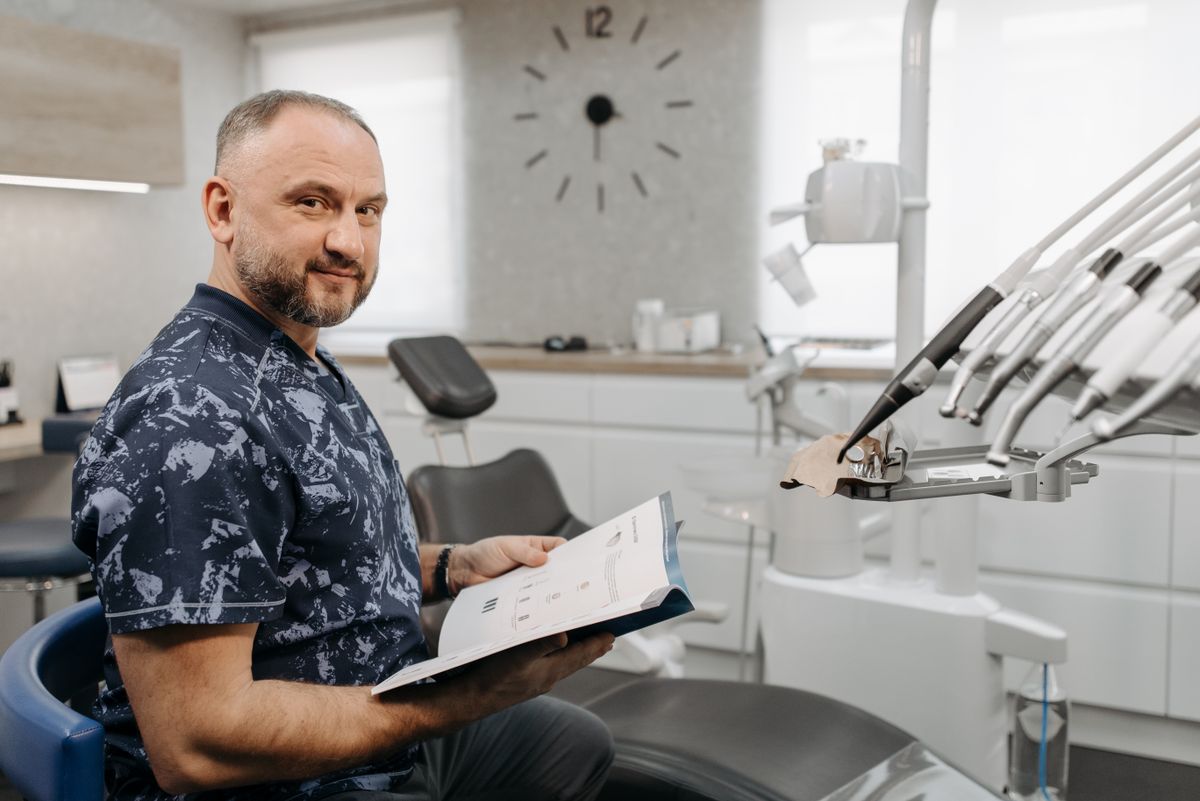
Learn the essentials of bookkeeping for a solo dental practice, including systems, costs, and steps to set up this week.
Running a solo dental practice means wearing many hats, and bookkeeping is one you cannot ignore. Accurate books keep you compliant with tax laws, help you understand profitability, and prevent cash flow surprises. This guide covers the basics: what you need, how to set it up, and what it costs in 2026.
Why Bookkeeping Matters for Solo Dentists
Your practice generates revenue from patient visits, but your net income depends on tracking expenses like supplies, lab fees, staff wages, and overhead. Without clean books, you risk overpaying taxes, missing deductions, or facing penalties. For a solo practice, typical net profit margins range from 20% to 40% of gross revenue, depending on location and efficiency. Good bookkeeping helps you see where that margin goes.
Core Bookkeeping Tasks for a Solo Practice
You need to track five main categories:
- Income: Patient payments, insurance reimbursements, and any other revenue.
- Expenses: Supplies, lab costs, rent, utilities, payroll, marketing, and professional fees.
- Assets: Equipment, furniture, and bank balances.
- Liabilities: Loans, credit card balances, and taxes owed.
- Equity: Your investment and retained earnings.
Each month, you reconcile bank statements, categorize transactions, and review profit and loss statements. Quarterly, you estimate taxes. Annually, you prepare for your CPA.
Choosing a Bookkeeping System
You have three main options: DIY with software, hiring a bookkeeper, or using a full-service accounting firm. Costs vary widely.
DIY with Software
Software like QuickBooks Online or Xero costs $30 to $100 per month. You handle data entry, categorization, and reconciliation. This works if you have time and basic accounting knowledge. Many solo dentists start here but often outsource later.
Hiring a Part-Time Bookkeeper
A professional bookkeeper charges $50 to $150 per hour, or a flat monthly fee of $200 to $500 for a solo practice. They handle monthly reconciliations, categorize transactions, and prepare reports. This frees up several hours per month.
Full-Service Accounting Firm
A CPA firm that includes bookkeeping and tax preparation may charge $500 to $1,500 per month, depending on complexity. They also provide tax planning and financial advice.
Setting Up Your Chart of Accounts
Your chart of accounts is the framework for categorizing every transaction. Keep it simple but detailed enough for tax deductions. Common accounts for a dental practice include:
- Revenue: Patient revenue, insurance revenue, other income.
- Cost of Goods Sold: Dental supplies, lab fees.
- Operating Expenses: Rent, utilities, salaries, marketing, insurance, professional fees, equipment maintenance.
- Payroll Expenses: Wages, payroll taxes, benefits.
Work with your CPA to customize this list. Avoid overcomplicating; you can add accounts later.
Tracking Income and Expenses Correctly
Use the accrual method if you want a realistic picture of profitability, but cash basis is simpler and often sufficient for solo practices. With cash basis, you record income when received and expenses when paid. Most solo dentists use cash basis for tax purposes, but your CPA can advise.
For income, record each patient payment and insurance deposit. For expenses, save receipts and use a business credit card to simplify tracking. Categorize expenses immediately to avoid month-end backlogs.
Reconciling Your Bank Accounts Monthly
Reconciliation ensures your books match your bank statements. Do this monthly, ideally within a week of the statement closing. Steps:
- Compare each transaction in your software to the bank statement.
- Mark cleared items.
- Investigate discrepancies.
- Adjust for bank fees or interest.
This catches errors and prevents fraud. If you outsource, your bookkeeper handles this.
Handling Payroll and Sales Tax
If you have staff, payroll is a separate task. Use a service like Gusto or ADP, which costs $40 to $80 per month plus per-employee fees. They handle tax filings and direct deposits. For sales tax, dental services are typically exempt in most states, but products like whitening kits may be taxable. Check your state’s rules.
Preparing for Tax Season
Your bookkeeping feeds directly into your tax return. Keep all receipts and categorize expenses correctly. Common deductions for solo dentists include:
- Continuing education courses and travel.
- Equipment depreciation.
- Home office if you have a qualifying space.
- Health insurance premiums.
- Retirement contributions.
Work with a CPA who specializes in dental practices. They can save you thousands in taxes.
Common Bookkeeping Mistakes to Avoid
- Mixing personal and business expenses: Open a separate business bank account and credit card.
- Ignoring small transactions: They add up and affect your deductions.
- Not reconciling regularly: Leads to errors and missed fraud.
- Forgetting to track owner’s draws: Your personal withdrawals are not business expenses.
- Using cash without records: Always document cash transactions.
Tools and Software Recommendations
Here is a quick comparison of popular bookkeeping tools for solo dentists:
| Tool | Price Range (Monthly) | Best For |
|---|---|---|
| QuickBooks Online | $30-$100 | Comprehensive accounting, integrates with many apps |
| Xero | $30-$70 | User-friendly, good for small practices |
| Wave | Free (paid add-ons) | Very small practices with minimal transactions |
| FreshBooks | $15-$50 | Simple invoicing and expense tracking |
| Bench (bookkeeping service) | $200-$500 | Outsourced bookkeeping with software included |
Choose based on your comfort level and budget. Many solo dentists start with QuickBooks Online and later add a bookkeeper.
Steps to Implement This Week
- Open a separate business bank account if you haven’t already. This is non-negotiable.
- Choose your bookkeeping method: DIY or outsource. Decide based on your time and budget.
- Set up your chart of accounts with your CPA’s help.
- Connect your accounts to your software and start categorizing transactions.
- Schedule a monthly reconciliation on your calendar.
- Review your profit and loss statement at month-end to understand your numbers.
FAQ
Do I need a bookkeeper if I use accounting software?
Not necessarily, but many solo dentists find it worth the cost. Software automates data entry but still requires categorization and reconciliation. If you value your time at more than $50 per hour, outsourcing may be more efficient.
What is the difference between bookkeeping and accounting?
Bookkeeping is recording transactions and maintaining records. Accounting interprets those records, provides analysis, and prepares tax returns. You may need both, but a bookkeeper handles the day-to-day.
How often should I update my books?
At minimum, update weekly to avoid backlog. Reconcile monthly. If you outsource, your bookkeeper will handle this on a schedule.
Can I deduct the cost of bookkeeping software and services?
Yes, these are ordinary business expenses. Software subscriptions and bookkeeper fees are deductible as professional fees or office expenses.
The Bottom Line
Bookkeeping for a solo dental practice is manageable if you set up a simple system and stay consistent. Start with a separate business account, choose software that fits your budget, and decide whether to DIY or hire help. Monthly reconciliation and quarterly reviews keep you on track. With clean books, you can focus on your patients and grow your practice with confidence.