7 Questions to Ask Before Buying a New Dental Practice
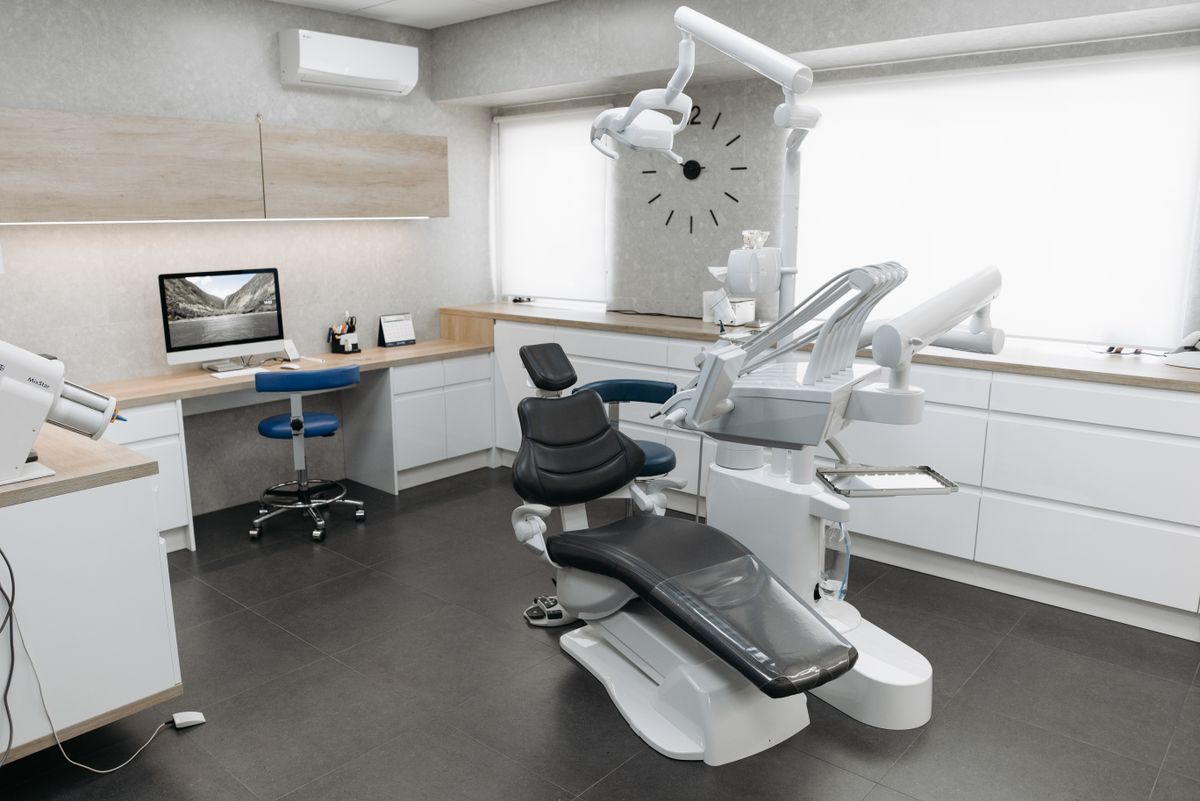
Before buying a dental practice, ask these 7 critical questions about finances, patients, and operations to avoid costly mistakes.
Buying a dental practice is a major financial decision. Asking the right questions before you sign can save you from hidden problems and unexpected costs. Here are 7 questions you must ask, with concrete details on what to look for and how to verify the answers.
1. What is the real patient retention rate?
A practice may look busy, but if patients don’t return, your revenue will drop. Ask for the percentage of active patients (seen in the last 18 months) and the recall rate (patients who come back for regular checkups). A healthy recall rate is 60% to 80%. If it’s below 50%, you’ll need to invest in marketing to rebuild the base.
How to verify: Ask for a report from the practice management software, not just a verbal estimate. Look at the number of patients seen in the last 12 months and compare it to the total patient list. Also, check how many new patients come in per month. A stable practice should have at least 10 to 20 new patients per month.
2. What is the actual overhead percentage?
Overhead includes rent, staff salaries, supplies, lab fees, and equipment. The average dental practice overhead is 60% to 70% of revenue. If it’s higher, you may struggle to make a profit. Ask for a profit and loss statement for the last 3 years.
How to verify: Look at the breakdown. Staff costs are usually 20% to 25% of revenue. Supplies and lab fees are 8% to 12%. Rent should be 5% to 10%. If any category is significantly higher, ask why. For example, a practice with high lab fees might be doing a lot of crown work, which is good, but you need to confirm the fees are in line with production.
3. How many active hygiene patients are there?
Hygiene visits are the backbone of a dental practice. They generate predictable revenue and lead to more treatment. Ask for the number of hygiene patients and the hygiene recall system. A practice with 1,000 active patients should have about 300 to 400 hygiene patients per month if recall is working well.
How to verify: Ask for the hygiene schedule for the last few months. Look at the number of hygiene appointments per day and the show rate. A show rate of 85% or higher is good. If it’s lower, you may need to improve reminder systems.
4. What is the condition of the equipment and facility?
Dental equipment is expensive to replace. Ask for a list of all major equipment (chairs, x-ray units, sterilizers, computers) and their age. Also, inspect the facility for issues like water damage, outdated electrical, or poor layout.
How to verify: Hire a dental equipment technician to do a pre-purchase inspection. This costs $500 to $1,500 but can save you thousands. Ask for maintenance records. If the equipment is older than 10 years, budget for replacement. A new dental chair costs $8,000 to $15,000. An x-ray unit is $10,000 to $20,000.
5. What is the payer mix and insurance fee schedule?
Your revenue depends on how much insurance pays. Ask for the percentage of patients with PPO insurance, HMO, Medicaid, and fee-for-service. A practice with 80% PPO may have lower fees but steady volume. High HMO or Medicaid means lower reimbursements.
How to verify: Get a report of the top 10 insurance plans and their fee schedules. Compare them to the average in your area. You can use resources like ADA’s fee survey or your state dental association. If fees are 20% below market, you may need to renegotiate or drop some plans.
6. What is the staff situation and are there any employment contracts?
Your staff can make or break the transition. Ask for a list of all employees, their roles, salaries, and tenure. Also, ask about any employment contracts, non-compete clauses, or pending legal issues.
How to verify: Review employment agreements with an attorney. Check if any staff are family members of the seller or have special arrangements. High turnover is a red flag. You may want to retain key staff, so ask about their willingness to stay. Be prepared to offer raises or bonuses to keep them.
7. What is the real value of the practice?
You need to know if the asking price is fair. Practice values are typically 60% to 80% of annual revenue, plus the value of equipment and real estate (if included). For example, a practice with $800,000 in revenue might sell for $480,000 to $640,000.
How to verify: Hire a professional practice appraiser. They will analyze financials, patient base, and market conditions. This costs $3,000 to $8,000 but is worth it. Also, have your accountant review the tax returns and financial statements for the last 3 years. Look for consistent revenue and profit trends.
FAQ
Should I buy a practice or start from scratch?
Buying a practice gives you an existing patient base and cash flow, but it costs more upfront. Starting from scratch is cheaper but takes 2 to 3 years to build a patient base. If you have the capital and want immediate income, buying is often better.
How much down payment do I need?
Most practice loans require 10% to 20% down. For a $500,000 practice, that’s $50,000 to $100,000. Some lenders offer 100% financing if you have strong credit and a solid business plan. Check with banks that specialize in dental practice loans.
Can I negotiate the price?
Yes, everything is negotiable. Use the inspection and appraisal results to negotiate a lower price or ask the seller to fix issues. You can also negotiate the terms, like a longer transition period or seller financing.
What is a transition period?
A transition period is when the seller stays on for a few months to introduce you to patients and staff. It’s usually 3 to 6 months. Make sure this is included in the purchase agreement. It helps retain patients and ensures a smooth handover.
Related guides
The bottom line
Buying a dental practice is a big step. Ask these 7 questions, verify the answers with data, and get professional help from an appraiser, accountant, and attorney. The cost of due diligence is small compared to the risk of a bad purchase. Take your time, do your homework, and you’ll set yourself up for success.