The New Chiropractic Office Equipment Checklist for New Owners
A practical checklist of essential chiropractic office equipment with realistic 2026 price ranges, plus tips for budgeting and purchasing.
Opening a new chiropractic office is exciting, but the equipment list can feel overwhelming. This guide gives you a practical, itemized checklist of what you truly need to start treating patients safely and professionally, with realistic 2026 price ranges. You’ll also get actionable steps to budget and buy smart, so you can open your doors without breaking the bank.
1. Adjusting Tables: The Core of Your Practice
Your adjusting tables are the most critical investment. You need at least one high-quality table, and many new owners start with two to handle patient flow.
- Stationary adjusting tables: These are the workhorses. Expect to pay $3,000 to $8,000 per table. Brands like Hill, Oakworks, and Zenith are common. Look for features like adjustable height, drop sections, and comfortable padding.
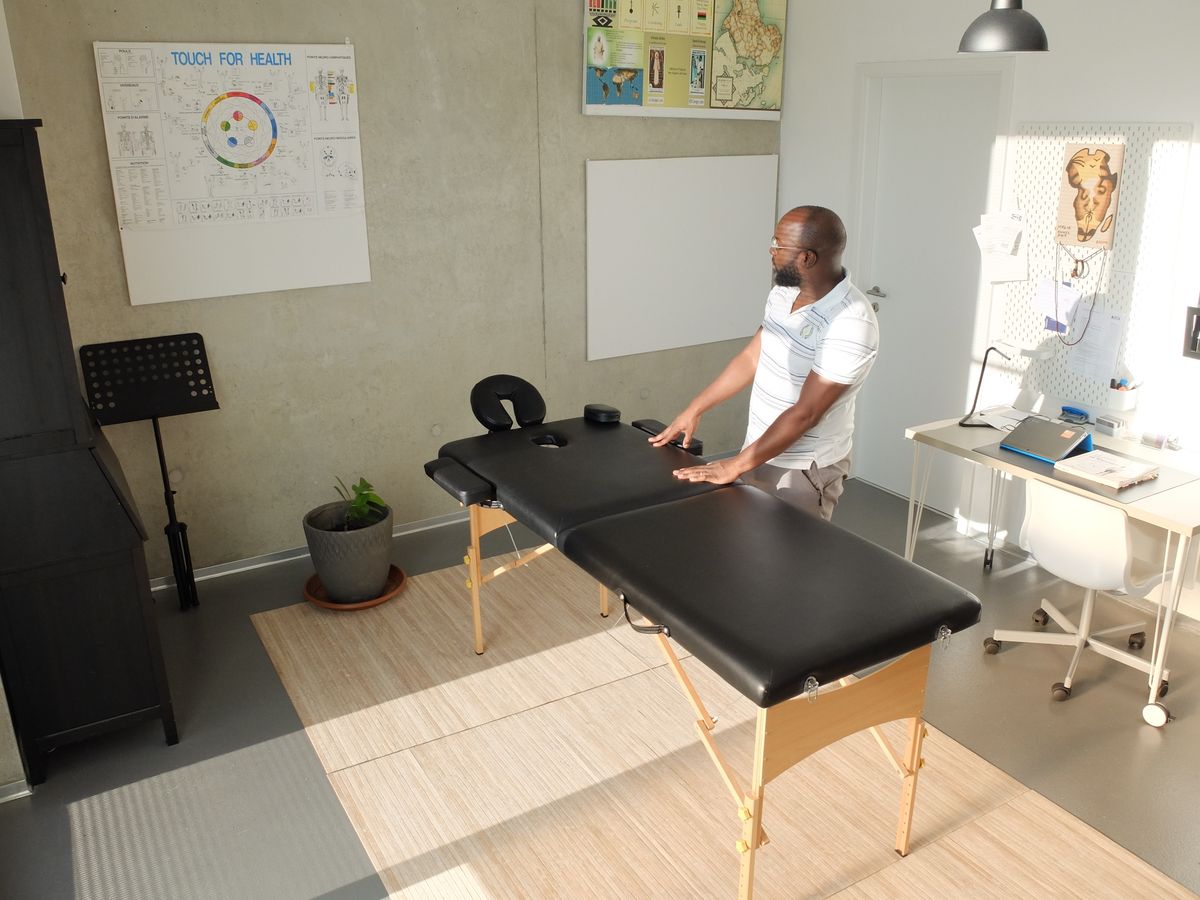
- Portable tables: If you plan to do any off-site work or need a spare, a portable table costs $500 to $1,500. They are lighter and less durable, so use them sparingly.
- Table accessories: Face paper, paper rolls, and table covers add up. Budget $50 to $100 per month for consumables.
Action step: Visit a local distributor or attend a trade show to test tables before you buy. Comfort for both you and your patients is non-negotiable.
2. Diagnostic and Assessment Tools
You need to assess patients accurately. These tools are essential for a new practice.
- Stadiometer and scale: For height and weight measurements. A basic stadiometer costs $200 to $500, and a digital scale is $100 to $300.
- Blood pressure cuff and stethoscope: For vital signs. A good aneroid cuff is $50 to $100, and a stethoscope is $100 to $200.
- Thermometer and pulse oximeter: For basic vitals. Expect $20 to $50 for a digital thermometer and $30 to $80 for a pulse oximeter.
- Neurological tools: Reflex hammer, tuning fork, and monofilament for sensory testing. A set costs $50 to $150.
- Posture analysis tools: A posture grid or software. A simple grid is $100, while software can run $1,000 to $3,000.
Action step: Buy a basic diagnostic kit from a medical supply company. You can upgrade later as your patient volume grows.
3. Therapeutic Modalities
To offer a full range of care, you’ll want at least a few therapeutic devices. These are optional but highly recommended.
- Ultrasound therapy unit: $1,000 to $3,000. Useful for soft tissue healing.
- Electrical stimulation (E-stim) unit: $1,500 to $4,000. Helps with pain management and muscle re-education.
- Cryotherapy or cold laser: Cold laser units range from $3,000 to $10,000. They are popular but can be a significant investment.
- Traction tables: For spinal decompression, these are $5,000 to $15,000. Start with one if you plan to offer this service.
Action step: Start with one modality, like E-stim or ultrasound, and add others as your revenue allows. Many new owners lease these to manage cash flow.
4. Practice Management Software and Office Tech
Your front desk and records need to be digital. This is not optional.
- Chiropractic EHR/PM software: Expect $200 to $500 per month, per provider. Popular options include ChiroTouch, Jane, and PowerChiro. Look for features like scheduling, billing, and patient portal.
- Computer and monitor: A reliable desktop or laptop is $800 to $1,500. You may need a second screen for charting.
- Printer and scanner: A multifunction printer is $200 to $500. You’ll use it for forms, insurance, and patient handouts.
- Credit card terminal: A mobile reader like Square costs $50 to $200, plus transaction fees.
Action step: Choose software that is cloud-based so you can access records from anywhere. Set up your system before you open.
5. Front Office and Reception Furniture
Your waiting room sets the tone. You don’t need luxury, but you need comfort and durability.
- Reception desk: $500 to $2,000, depending on size and material.
- Waiting room chairs: $200 to $500 per chair. Plan for 4 to 6 seats.
- Side tables and magazine rack: $100 to $300.
- Water cooler or coffee station: $100 to $300.
Action step: Buy used furniture from a liquidation store or online marketplace to save 30% to 50%. Just ensure it’s clean and professional.
6. Sanitation and Safety Supplies
You must maintain a clean, safe environment.
- Exam gloves: $10 to $20 per box of 100. You’ll go through several boxes a month.
- Disinfectant wipes and sprays: $50 to $100 per month.
- Biohazard waste container: $100 to $200 for a small bin and service.
- First aid kit: $50 to $150.
- Fire extinguisher and emergency equipment: $100 to $300.
Action step: Set up a routine for cleaning and waste disposal. Compliance with OSHA and state regulations is mandatory.
7. Miscellaneous Essentials
Don’t forget the small items that keep your office running.
- Pillows and bolsters: $30 to $80 each. You’ll need several.
- Hot and cold packs: $20 to $50 per set.
- Linens and towels: $100 to $200 for a starter supply.
- Office supplies: Paper, pens, clipboards, and forms: $100 to $200 per month.
Action step: Create a checklist of these items and order them in bulk to save money.
8. Budgeting and Financing Your Equipment
Now that you have the list, here’s how to pay for it.
- Total startup cost for equipment: Expect $20,000 to $50,000 for a basic setup, excluding leasehold improvements.
- Leasing vs. buying: Leasing spreads costs over 3 to 5 years, with monthly payments of $500 to $1,500. Buying outright saves interest but ties up capital.
- Used equipment: Buying used can cut costs by 30% to 50%. Check certified refurbished options from dealers.
- Financing options: Look into SBA loans, equipment financing companies, or vendor financing. Interest rates range from 6% to 12%.
Action step: Get quotes from at least three vendors. Compare total cost, warranty, and service contracts.
FAQ
Q: How much should I budget for chiropractic equipment as a new owner? A: A realistic budget is $20,000 to $50,000 for essential equipment. This includes tables, diagnostic tools, software, and basic furniture. Leasing can reduce upfront costs.
Q: Should I buy new or used equipment? A: For tables and diagnostic tools, buy new if you can afford it, as they see heavy use. For furniture and some modalities, used is a smart way to save money.
Q: What is the most important piece of equipment? A: Your adjusting table is the most important. It directly affects patient comfort and your ability to deliver care. Invest in a quality table.
Q: Can I start with a minimal setup and add equipment later? A: Yes. Start with a table, basic diagnostic tools, and software. Add therapeutic modalities and extra tables as your patient base grows.
Related guides
- Best Equipment for a New Chiropractic Office: What to Buy and What to Skip
- How Much Does Equipment Cost for a New Chiropractic Office?
- How to Finance Equipment for a New Chiropractic Office
The bottom line
Opening a chiropractic office requires careful planning, but you don’t need every gadget on day one. Focus on the essentials: a quality adjusting table, diagnostic tools, software, and a comfortable reception area. Use the checklist above to prioritize your purchases, and don’t be afraid to lease or buy used to manage costs. With a realistic budget and smart choices, you can equip your office for success without overextending your finances.