7 Things to Know Before You Start a New Audiology Practice
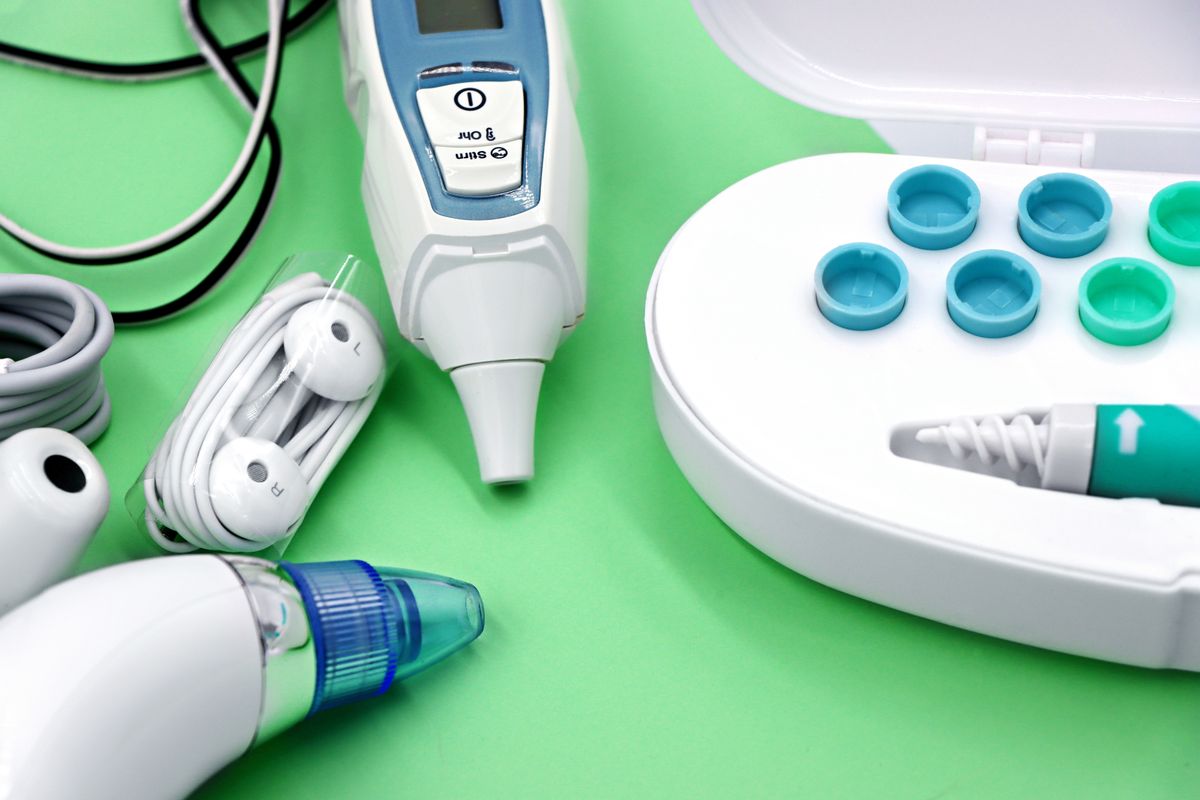
Learn the 7 tax essentials for starting an audiology practice, from entity choice to deductions, with practical steps and realistic 2026 numbers.
Starting an audiology practice is exciting, but taxes can trip you up if you’re not prepared. Here are 7 things you need to know before you open your doors, so you can avoid costly mistakes and keep more of what you earn.
1. Your Business Entity Affects Your Tax Bill
Your choice of entity (LLC, S-Corp, sole proprietorship) determines how you’re taxed. For most new audiology practices, an LLC is common, but you’ll be taxed as a sole proprietor by default unless you elect S-Corp status. In 2026, the self-employment tax rate is 15.3% (12.4% for Social Security, 2.9% for Medicare). An S-Corp can save you money on self-employment taxes, but it requires payroll and extra paperwork. Many practices switch to S-Corp once profits exceed $40,000 to $60,000. Talk to a CPA to decide what’s best for your situation.
2. You Must Pay Estimated Taxes Quarterly
As a business owner, no one withholds taxes from your income. You’re required to pay estimated taxes quarterly to the IRS and your state. For 2026, the due dates are: April 15, June 15, September 15, and January 15. Each payment covers income tax and self-employment tax. If you underpay, you’ll face penalties. To calculate, use Form 1040-ES and base payments on your projected annual income. A good rule: set aside 25% to 30% of your net income for taxes. Open a separate savings account for this.
3. You Can Deduct Startup Costs, But There’s a Limit
Starting a practice involves many expenses: legal fees, marketing, equipment, and more. The IRS allows you to deduct up to $5,000 in startup costs in your first year, but only if your total startup costs are $50,000 or less. If they exceed $50,000, the $5,000 deduction is reduced dollar-for-dollar. Costs above the limit must be amortized over 180 months. Keep detailed records of every expense from day one. This includes costs incurred before you officially open, like market research or training.
4. Equipment Purchases Can Be Written Off Faster
Audiology equipment is expensive, but you can deduct it faster using Section 179 or bonus depreciation. For 2026, Section 179 allows you to deduct up to $1,160,000 for equipment purchases, but the deduction can’t exceed your business income. Bonus depreciation is 80% for 2026, meaning you can deduct 80% of the cost in the first year. For example, if you buy a $30,000 audiometer, you could deduct $24,000 in year one. This can significantly lower your taxable income. Consult your tax advisor to see which method is best.
5. Home Office Deductions Are Possible, But Strict
If you work from home, you may qualify for the home office deduction. The IRS requires that the space be used regularly and exclusively for business. You can use the simplified method ($5 per square foot, up to 300 square feet) or the actual expense method. For 2026, the simplified method gives you up to $1,500. The actual method involves calculating the percentage of your home used for business and applying that to mortgage interest, utilities, and repairs. Be careful: this deduction can trigger audits, so keep meticulous records.
6. You Must Pay Employees’ Payroll Taxes
If you hire staff, you’re responsible for payroll taxes: Social Security, Medicare, federal income tax withholding, and unemployment taxes. As an employer, you pay half of Social Security and Medicare (7.65% of wages), and your employee pays the other half. You must file Form 941 quarterly and deposit taxes on time. In 2026, the federal unemployment tax rate is 6% on the first $7,000 of each employee’s wages, but you get a credit for state unemployment taxes, reducing it to 0.6%. Use a payroll service to avoid mistakes.
7. State Taxes Vary Widely
Your state tax obligations depend on where you practice. Some states have no income tax (e.g., Texas, Florida), while others have high rates (e.g., California, New York). You may also owe sales tax on hearing aids or services, depending on your state. For example, in 2026, some states exempt hearing aids from sales tax, while others tax them. Check your state’s department of revenue website for specifics. Also, some states have a franchise tax or gross receipts tax. Factor these into your budget.
FAQ
Can I deduct health insurance premiums for myself?
Yes, if you’re self-employed, you can deduct health insurance premiums for yourself, your spouse, and dependents. This deduction is taken on your personal return, not on your business return, and it reduces your adjusted gross income.
What if I don’t pay estimated taxes?
You’ll face penalties and interest on the underpayment. The IRS calculates penalties based on how much you owed and when you paid. It’s better to pay quarterly, even if it’s an estimate.
How long should I keep tax records?
Keep records for at least 3 years from the date you file your return, but for business assets, keep them as long as you own the asset plus 3 years. For example, if you buy equipment, keep the receipt until you sell it or dispose of it.
Should I hire a CPA or use tax software?
For a new practice, a CPA is worth the cost, typically $500 to $1,500 for business tax preparation. They can help you with entity choice, deductions, and planning. Software like QuickBooks or TurboTax can work, but they won’t catch everything.
The Bottom Line
Starting an audiology practice involves many tax decisions. Choose your entity wisely, pay estimated taxes, and take advantage of deductions for equipment and startup costs. Keep good records and consult a tax professional. With these 7 things in mind, you’ll be better prepared to handle your tax obligations and focus on your patients.