7 Questions to Ask Before Buying a New Architecture Firm
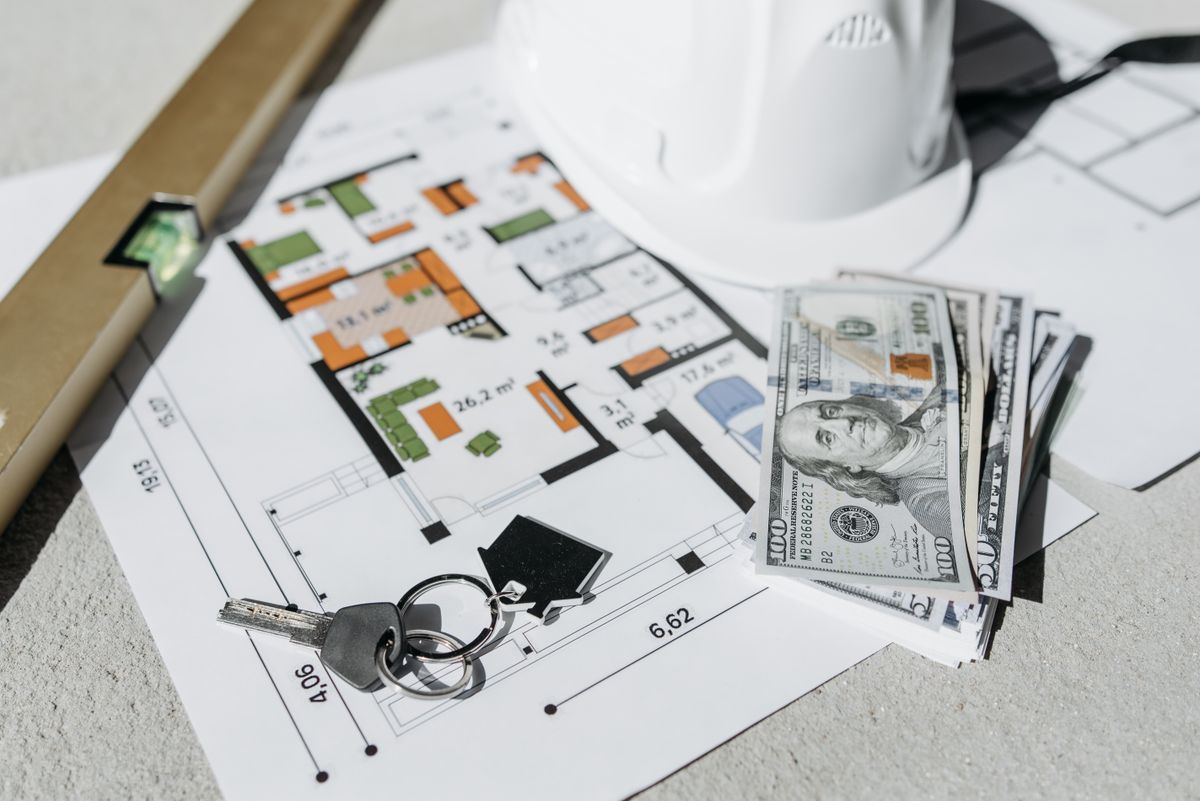
Before you buy an architecture firm, ask these 7 questions to avoid tax surprises, hidden liabilities, and valuation mistakes. Practical guide for new owners.
Buying an existing architecture firm can be a smart way to grow your practice, but it comes with tax and financial pitfalls that can cost you tens of thousands of dollars if you don’t ask the right questions. This guide walks you through the seven critical questions to ask before you sign, with concrete numbers and steps you can take this week.
1. What Is the Firm’s Tax Structure, and How Will It Affect the Purchase?
The firm’s current tax structure (sole proprietorship, partnership, S-corp, or C-corp) determines how the sale is taxed and what liabilities you inherit. For example, if the seller is a C-corp, you may be buying a tax-paying entity with retained earnings that could trigger double taxation later. If it’s an S-corp, the sale may be structured as an asset sale to avoid inheriting the corporation’s tax history.
Action step: Ask for the last three years of federal tax returns (Form 1065, 1120-S, or 1120) and review them with a CPA who specializes in practice acquisitions. Look for any outstanding tax liens or unfiled returns.
2. Are There Any Unpaid Payroll or Sales Taxes?
Unpaid payroll taxes are a personal liability for owners, and if you buy the entity (stock purchase), you could inherit that debt. Sales tax on past projects may also be due if the firm collected but didn’t remit.
Realistic figures: Payroll tax penalties can be 2% to 10% of the unpaid amount, plus interest. Sales tax audits can result in assessments of $5,000 to $50,000 depending on the state and volume.
Action step: Request a payroll tax clearance letter from the IRS and state revenue department. Also ask for a sales tax compliance report for the last three years.
3. What Is the Value of the Firm’s Assets, and How Are They Allocated?
The purchase price must be allocated among assets (equipment, furniture, software, client lists, goodwill) because each category has different tax treatment. Equipment may be depreciated, while goodwill is amortized over 15 years. A poor allocation can cost you deductions.
Typical allocation ranges: Equipment and furniture: 10% to 20% of price. Client lists and goodwill: 50% to 70%. Software and licenses: 5% to 10%. Non-compete agreements: 5% to 10%.
Action step: Work with a CPA to draft an allocation schedule before closing. The IRS requires both buyer and seller to file Form 8594, so agree on numbers that are fair and defensible.
4. Are There Any Pending Lawsuits or Professional Liability Claims?
Architecture firms face claims for design errors, delays, or contract disputes. If you buy the entity, you may inherit those liabilities, even if the claim is filed after the sale.
Cost impact: Defense costs can run $25,000 to $100,000 per claim, and settlements can exceed $500,000. Without proper indemnification, you could pay out of pocket.
Action step: Ask for a list of all current and past claims, and check the firm’s professional liability insurance history. Require the seller to maintain tail coverage for at least three years, and include an indemnification clause in the purchase agreement.
5. How Are Existing Contracts and Retainers Structured?
Existing client contracts may have clauses that trigger penalties if the firm changes ownership, or they may require client consent. Retainers and deposits are liabilities you must honor, and unearned revenue could be taxable income if not handled correctly.
Action step: Review all active contracts with an attorney. Ask for a schedule of retainers and deposits, and ensure the purchase agreement specifies how these are transferred. Also, check if any contract has a change-of-control clause that could void the agreement.
6. What Is the Firm’s Depreciation and Amortization Schedule?
If you buy assets, you can step up their basis to fair market value, which increases future depreciation deductions. But if you buy stock, you inherit the old depreciation schedule, which may be nearly exhausted, reducing your tax benefits.
Example: A firm with $200,000 in equipment that is fully depreciated has no remaining deductions. In an asset purchase, you can revalue that equipment at $150,000 and depreciate it over five to seven years, saving $20,000 to $30,000 in taxes.
Action step: Have an appraiser value the tangible assets. Compare the tax benefits of an asset purchase versus a stock purchase with your CPA.
7. What Are the Seller’s Post-Sale Tax Obligations, and How Do They Affect You?
The seller will pay capital gains tax on the sale, which can influence their willingness to negotiate. If the seller demands a stock sale to get lower capital gains rates, you may lose depreciation benefits. Also, the seller may want an installment sale, which spreads payments over time, but that can create interest income for them and affect your cash flow.
Action step: Discuss the seller’s tax preferences early. Often, an asset sale with a non-compete agreement can satisfy both parties: you get a step-up in basis, and the seller pays capital gains on goodwill.
FAQ
Can I deduct the purchase price of an architecture firm immediately?
No. The IRS requires you to capitalize the purchase price and depreciate or amortize it over time. Equipment can be depreciated over 5 to 7 years, and goodwill over 15 years. You may be able to use Section 179 for equipment, but not for goodwill.
What is the difference between buying assets and buying stock?
In an asset purchase, you buy specific assets and assume specific liabilities, which lets you step up the basis and avoid hidden liabilities. In a stock purchase, you buy the entire entity, including all liabilities and tax history, but you keep the existing contracts and licenses.
How long should I keep the seller’s tax records?
Keep all tax records related to the purchase for at least seven years, including Form 8594, the purchase agreement, and allocation schedules. This protects you in case of an IRS audit.
Do I need to file Form 8594?
Yes, if the purchase price exceeds $100,000 and includes goodwill or other intangible assets. Both buyer and seller must file Form 8594 with their tax returns for the year of the sale.
Related guides
- 7 Things to Know Before You Start a New Architecture Firm
- Best New Architecture Firm Tools Compared in 2026
- How Much Should a New Architecture Firm Set Aside for Taxes?
The bottom line
Buying an architecture firm is a major investment, and the tax implications can make or break the deal. Ask these seven questions before you negotiate, and work with a CPA and attorney who specialize in practice acquisitions. Take one action this week: request the firm’s tax returns and a list of open claims. That simple step can save you from a costly surprise down the road.