The New Accounting Firm Tax Calendar: Every Deadline You Cannot Miss
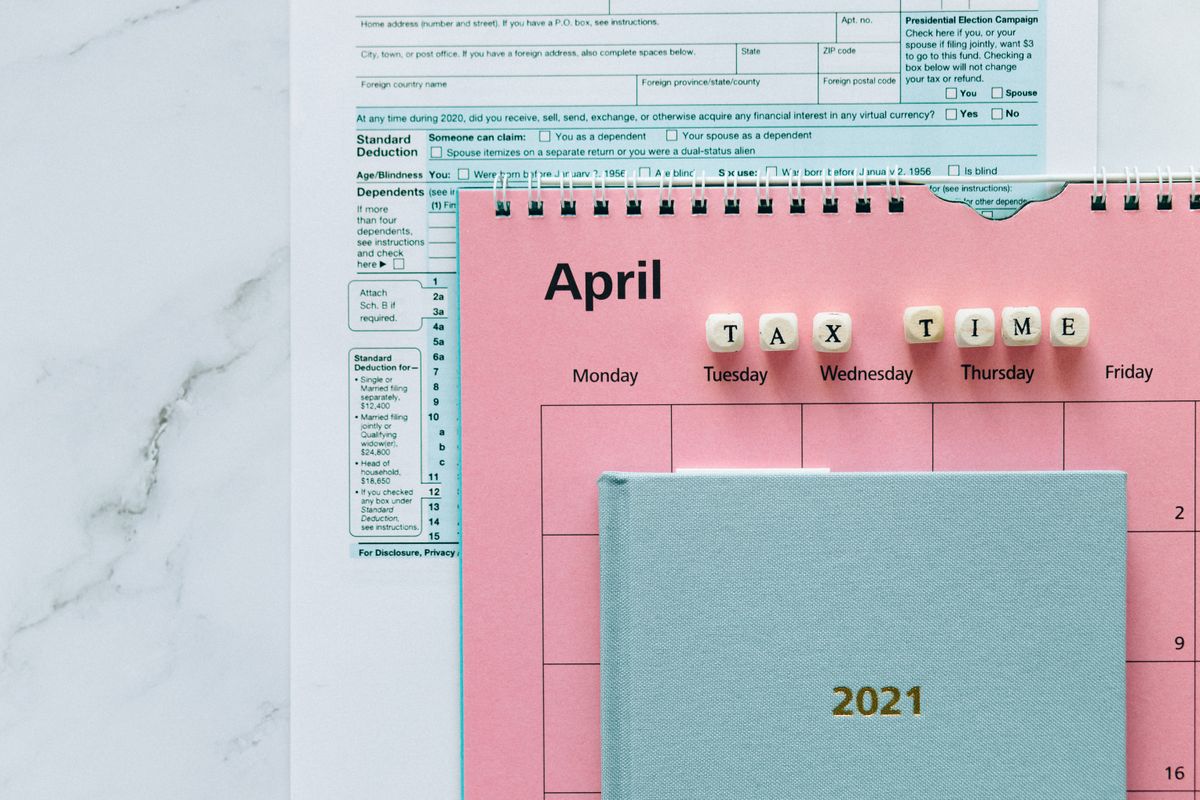
A practical guide to the 2026 tax deadlines every new accounting firm must track, with steps to build your calendar and avoid penalties.
Running a new accounting firm means you are now responsible for your own tax deadlines, not just your clients’. Missing a filing or payment date can trigger penalties, interest, and a hit to your reputation. This guide lays out the 2026 calendar of federal tax deadlines you cannot miss, plus how to build a system to stay ahead.
Why a Tax Calendar Is Non-Negotiable
The IRS expects timely filing and payment, and the penalties are not trivial. For example, failing to file a partnership return can cost $220 per partner per month (2026 rate), and failing to pay payroll taxes can bring a penalty of 0.5% of the unpaid amount per month, up to 25%. For a small firm, a single missed deadline can eat thousands of dollars. A reliable calendar is your first line of defense.
The 2026 Federal Tax Deadline Calendar
Below are the key deadlines for the 2026 tax year. Note that if a deadline falls on a weekend or federal holiday, it moves to the next business day. Always confirm with the IRS or your software.
January 2026
- January 15: Q4 2025 estimated tax payment due for individuals and corporations (Form 1040-ES, Form 1120-W).
- January 31: Forms W-2, W-3, and 1099-NEC must be furnished to recipients and filed with the SSA. Also, Form 940 (FUTA) for 2025 is due.
February 2026
- February 2: Forms 1099 and 1096 due to the IRS (if not e-filed, the deadline is February 28).
- February 17: Monthly depositors for January payroll taxes must deposit by this date.
March 2026
- March 15: S-corporation and partnership tax returns (Form 1120-S, Form 1065) due, plus Schedule K-1s to partners. Also, the final due date for S-corp and partnership returns if you filed for an extension (but extensions are not automatic; you must file Form 7004).
- March 31: Forms 1099 and 1096 due if filing by paper (if you missed the e-file deadline).
April 2026
- April 15: Individual tax returns (Form 1040) due, plus Q1 2026 estimated tax payment. Also, C-corporation returns (Form 1120) are due if the fiscal year ends in December.
- April 30: Monthly depositors for March payroll taxes due.
May 2026
- May 15: No major federal deadline, but use this time to review Q1 estimated payments and adjust withholding if needed.
June 2026
- June 15: Q2 2026 estimated tax payment due for individuals and corporations. Also, for U.S. citizens living abroad, the individual tax return deadline is extended to this date.
July 2026
- July 31: Q2 payroll tax returns (Form 941) for the quarter ending June 30 are due. Also, monthly depositors for June payroll taxes.
August 2026
- August 15: No major federal deadline, but a good time to file for extensions for any calendar-year C-corps that missed April 15 (Form 7004).
September 2026
- September 15: Q3 2026 estimated tax payment due for individuals and corporations. Also, the extended due date for S-corp and partnership returns (if you filed Form 7004 in March).
October 2026
- October 15: Extended due date for individual tax returns (Form 1040) and C-corp returns (if you filed for extension in April).
- October 31: Q3 payroll tax returns (Form 941) due.
November 2026
- November 2: Monthly depositors for October payroll taxes due.
December 2026
- December 15: Q4 2026 estimated tax payment due for corporations (Form 1120-W). Also, the extended due date for C-corp returns if you filed for extension in September.
- December 31: Last day to make contributions to retirement plans for the 2026 tax year (for certain plans). Also, the deadline for S-corp and partnership elections for the next year.
How to Build Your Own Tax Calendar
Don’t rely on memory. Here are five steps to create a system that works.
- Use a digital calendar with reminders. Google Calendar, Outlook, or a dedicated tax software like TaxDome or Canopy can send automated alerts. Set reminders 30 days, 7 days, and 1 day before each deadline.
- List all your firm’s obligations. Include federal, state, and local taxes: income, payroll, sales, and estimated payments. State deadlines often differ, so check your state’s revenue department.
- Assign ownership. If you have staff, assign each deadline to a responsible person. For a solo firm, you are the owner, but you can still set up a checklist.
- Reconcile monthly. At the end of each month, review the next 60 days of deadlines and confirm you have the necessary forms and data.
- Build in buffer time. The IRS e-file system can be slow on peak days. Aim to file at least 3 business days early.
Tools and Software to Track Deadlines
You can use a simple spreadsheet, but dedicated tools reduce errors. Here are options with realistic 2026 pricing:
| Tool | Best For | Price Range (per month) |
|---|---|---|
| Google Calendar (free) | Solo firms, basic reminders | $0 |
| TaxDome | Practice management with deadline tracking | $50-$150 |
| Canopy | Tax resolution and workflow | $60-$120 |
| Drake Tax | Full tax preparation software | $1,500-$3,000 per year (one-time) |
| QuickBooks Accountant | Bookkeeping and payroll deadlines | $50-$100 |
Choose a tool that fits your budget and firm size. For a new firm, starting with Google Calendar and a spreadsheet is fine, but upgrade as you grow.
Common Pitfalls and How to Avoid Them
- Missing the January 31 W-2/1099 deadline. This is the most common mistake. Start collecting data in early January.
- Forgetting estimated tax payments. Even if you have no profit, you may owe estimated taxes. Use last year’s return as a baseline.
- Assuming extensions mean more time to pay. An extension to file is not an extension to pay. Interest and penalties accrue on unpaid taxes from the original due date.
- Ignoring state deadlines. State due dates often mirror federal, but not always. Check your state’s tax authority.
FAQ
What happens if I miss a deadline?
You will likely face penalties and interest. For example, the failure-to-file penalty is 5% of the unpaid tax per month, up to 25%. The failure-to-pay penalty is 0.5% per month. You can request penalty abatement if it’s your first time, but it’s not guaranteed.
Can I file an extension for every deadline?
No. Extensions apply to tax returns, not to tax payments. You must still pay estimated taxes on time. Also, some information returns like W-2s have no extension.
How do I know if a deadline falls on a weekend?
Check the IRS website or your tax software. The IRS publishes a list of official due dates each year. If a date falls on a Saturday, Sunday, or legal holiday, the deadline moves to the next business day.
Should I use a tax professional for my own firm?
Many new firm owners handle their own taxes, but it’s wise to have a second pair of eyes. A CPA or enrolled agent can review your returns and help you avoid costly errors. Fees range from $500 to $2,000 for a basic return, depending on complexity.
The Bottom Line
A tax calendar is not optional for an accounting firm. Missing a deadline can cost you money and credibility. Use the 2026 dates above, build a tracking system with reminders, and review your calendar monthly. Start this week by entering the next three deadlines into your calendar and setting alerts. Your future self will thank you.