The Complete New Accounting Firm Startup Checklist
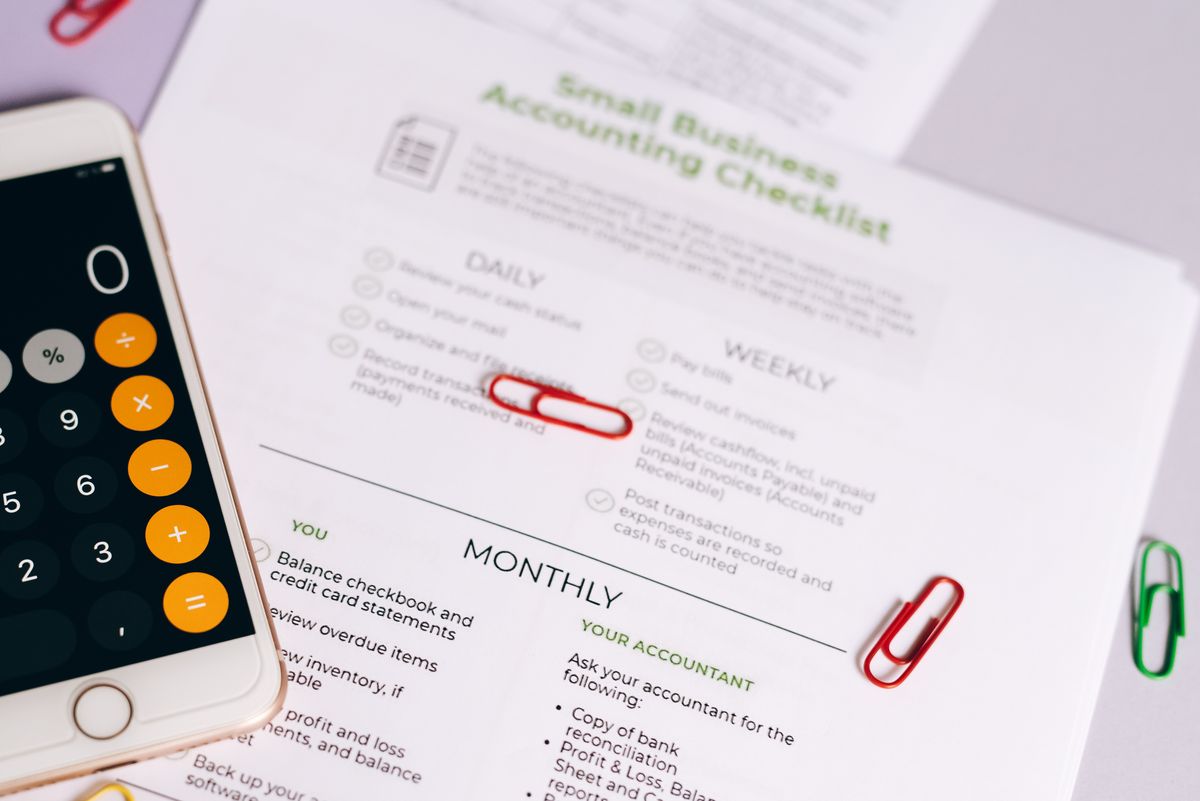
A step-by-step checklist for launching a new accounting firm in 2026, covering licensing, tech, pricing, and client acquisition.
Starting an accounting firm requires more than a CPA license. You need a clear plan for licensing, technology, pricing, and marketing. This checklist walks you through the essential steps, with realistic costs and timelines, so you can launch with confidence.
1. Legal Structure and Licensing
Before you take on clients, you must establish your legal entity and obtain the necessary credentials.
- Choose a business structure: Most accounting firms operate as an LLC or S-Corp. An LLC offers liability protection with less administrative burden. An S-Corp can save on self-employment taxes once you have steady income. Consult a business attorney or tax advisor to decide.
- Register your business: File with your state’s Secretary of State. Costs range from $50 to $500 depending on the state and structure.
- Obtain an EIN: Apply for an Employer Identification Number (EIN) through the IRS website. It’s free and takes about 15 minutes.
- Get your CPA license (if applicable): If you are a CPA, ensure your license is active in the state where you operate. Some states require a firm registration as well. Check with your state board of accountancy.
- Consider professional liability insurance: Errors and omissions (E&O) insurance is critical. Premiums for a new firm typically range from $1,500 to $5,000 per year, depending on your coverage limits and practice area.
2. Business Plan and Financial Projections
A simple business plan helps you set goals and secure financing if needed.
- Define your niche: Generalist firms compete on price. Specializing in a niche, such as real estate agents, medical practices, or e-commerce sellers, allows you to charge higher rates and market more effectively.
- Project startup costs: Common one-time costs include:
- Legal and registration fees: $500-$2,000
- Office space (if not virtual): $500-$2,000/month
- Computer and equipment: $1,500-$3,000
- Software subscriptions: $500-$2,000/year
- Marketing and website: $1,000-$5,000
- Set your pricing model: Decide between hourly billing ($150-$400/hour for CPAs), fixed fees per service (e.g., $500-$1,500 for a business return), or monthly subscriptions ($300-$2,000/month for ongoing bookkeeping and advisory).
3. Technology Stack
Your tech stack determines your efficiency and client experience. Here are the core tools you need.
- Accounting software: QuickBooks Online is the most common, with plans from $30 to $200/month. Xero is another option, ranging from $34 to $65/month. Choose one and become an expert.
- Tax preparation software: For tax firms, Drake Tax ($1,500-$3,000/year) or UltraTax CS (pricing varies, often $3,000+ per year) are popular. For simpler returns, TaxAct Professional starts around $1,000/year.
- Practice management: Use a tool like Karbon or Canopy to manage client workflows, deadlines, and communication. Prices range from $50 to $150 per user per month.
- Client portal and e-signature: Secure file sharing is essential. ShareFile starts at $40/month, and DocuSign is $25/month. Many practice management tools include these features.
- Cybersecurity: Use a VPN, password manager (e.g., LastPass, $4/month), and enable two-factor authentication everywhere. Consider a managed IT service for $100-$300/month.
4. Office Setup and Remote Work
Decide whether you will operate virtually or lease office space.
- Virtual office: If you work from home, invest in a reliable computer, a second monitor, and a high-speed internet connection. Use a virtual address service (e.g., iPostal1, $10-$30/month) for a professional mailing address.
- Physical office: If you meet clients in person, consider a shared office space or a small suite. Costs vary widely by location, but budget $500-$2,000/month in most metro areas.
- Set up a business phone system: Use a VoIP service like RingCentral ($30-$50/user/month) or Grasshopper ($29-$49/month) to keep your personal number private.
5. Compliance and Data Security
Accounting firms are prime targets for cyberattacks. You must protect client data.
- Implement a written information security plan: This is required by the FTC Safeguards Rule. Document how you handle and protect client information.
- Use encryption: Ensure all devices are encrypted, and use secure file transfer for client documents.
- Back up data: Use a cloud backup service like Backblaze ($7/month) or a local NAS drive. Test your backups regularly.
- Get a business associate agreement (BAA) if you handle healthcare clients: This is required under HIPAA.
6. Marketing and Client Acquisition
Your first clients are the hardest to get. Start marketing before you launch.
- Build a simple website: Use Squarespace or Wix ($16-$40/month) with a professional design. Include a clear description of your services and a contact form.
- Create a Google Business Profile: This is free and helps you appear in local searches. Ask early clients for reviews.
- Network locally: Join your local chamber of commerce, attend small business events, and introduce yourself to other professionals like attorneys and financial advisors who can refer clients.
- Offer a free consultation: This builds trust and helps you convert leads. Limit it to 30 minutes.
- Set a referral program: Offer a $50-$100 gift card or a discount on services for clients who refer new business.
7. Client Onboarding Process
A smooth onboarding process sets the tone for the relationship.
- Create an engagement letter: This outlines your services, fees, and responsibilities. Have a template reviewed by a lawyer.
- Collect client information: Use a secure onboarding form to gather personal and financial data. Tools like Typeform ($29/month) or your practice management software can automate this.
- Set expectations: Clearly communicate response times, deadlines, and how you will communicate (email, phone, portal).
- Send a welcome packet: Include your engagement letter, privacy policy, and a checklist of documents you need from the client.
8. Financial Management for Your Firm
You are now a business owner, so manage your own finances carefully.
- Open a business bank account: Separate your personal and business finances. Compare options at local banks or online banks like Mercury (free for LLCs).
- Set up bookkeeping: Use QuickBooks or Xero to track your income and expenses. Consider hiring a virtual bookkeeper for $200-$500/month if you are too busy.
- Pay estimated taxes: As a self-employed owner, you must pay quarterly estimated taxes. Calculate them using IRS Form 1040-ES.
- Track your time: Use a time tracker like Toggl (free) or Harvest ($12/month) to ensure you are billing accurately.
FAQ
Q: How much capital do I need to start an accounting firm? A: You can start with as little as $5,000 if you work virtually and use basic software. A more comfortable budget is $10,000-$20,000 to cover initial marketing, software, and insurance.
Q: Do I need to be a CPA to start an accounting firm? A: Not necessarily. Many states allow non-CPAs to own accounting firms, but you cannot perform certain attest services (like audits) without a CPA license. Check your state’s rules.
Q: How do I price my services as a new firm? A: Start with competitive rates, but not too low. For tax preparation, charge $300-$800 for individual returns and $800-$2,000 for business returns. As you gain experience, raise your rates.
Q: How long does it take to get my first client? A: It varies, but many firms land their first client within 1-3 months of active networking and marketing. Expect to spend 10-15 hours per week on business development initially.
Related guides
- The Annual New Accounting Firm Review Checklist
- 7 Questions to Ask Before Buying a New Accounting Firm
- 7 Things to Know Before You Start a New Accounting Firm
The bottom line
Launching an accounting firm is a structured process. Follow this checklist step by step, and you will build a solid foundation. Focus on licensing, technology, and client acquisition first. Keep your overhead low, specialize in a niche, and deliver excellent service. With consistent effort, you can build a profitable practice within your first year.